
Home Blog Page 12

Exploring Different Art Forms.

0

Are you ready for exploring on a journey of self-discovery and creativity? Are you eager to explore the vast world of art and find your own artistic passion? If so, then this guide is for you! Art is a beautifully diverse realm filled with endless possibilities. From painting to sculpture, photography to dance, there are so many different forms waiting to be explored so are you ready for exploring. In this blog post, we will take a deep dive into the various art forms out there, help you uncover your true creative calling, and provide practical tips on how to pursue your passion for art. So grab your paintbrushes or put on your dancing shoes – it’s time to unleash the artist within! time for exploring

What is art?

Art is a boundless expression of human creativity exploring and imagination. It’s a medium through which individuals communicate their thoughts, emotions, and experiences with the world. But what exactly defines art? Is it limited to paintings hanging in museums or sculptures carved from marble?

In truth, art knows no boundaries. It can encompass a wide range of forms, including visual arts like painting, drawing, and photography. It can also include performing arts such as dance, music, and theater. And let’s not forget about literature and poetry – powerful written words that evoke deep emotions.

Art has the power to provoke thought and stir our souls. It challenges conventions, breaks barriers, and pushes us to see the world through different lenses. Whether it’s a thought-provoking installation piece or an enchanting ballet performance – art invites us to step out of our comfort zones and explore new perspectives.

Moreover, art is subjective; its interpretation varies from person to person based on individual experiences and perceptions. What may resonate deeply with one person might leave another indifferent or even puzzled.

Art is about self-expression and exploring – both for the artist creating it and for those who experience it. It allows us to connect with others on an emotional level without uttering a single word.

So go ahead! Embrace your own definition of art as you embark on this journey of exploration into various artistic forms waiting to be discovered.

Different types of art

Different types of art can be found in various forms across the world. From visual art to performing arts, there is a wide range of artistic expressions that cater to different interests and preferences.

Visual arts encompass painting, drawing, sculpture, photography, and printmaking. These forms allow artists to translate their thoughts and emotions onto a canvas or other tangible medium. Each technique offers its own unique style and approach.

Performing arts include dance, theater, music, and film. These art forms require active engagement from both the artist and the audience. Dance allows for physical expression through movement while theater tells stories through acting on stage. Music uses sound as an artistic medium to evoke emotions in listeners.

Literature is another form of art that involves writing stories or poetry. It allows writers to use words as their medium for self-expression and storytelling.

Digital art has become increasingly popular with advancements in technology. Artists can create stunning visuals using digital tools such as graphic design software or 3D modeling programs.

Installation art combines various materials and elements within a specific space to create immersive experiences for viewers.

Mixed media incorporates multiple mediums such as paint, collage materials, photographs, or found objects into one artwork piece.

Street art often features murals painted on public spaces like walls or buildings. It serves as an alternative form of expression outside traditional gallery settings.

These are just a few examples of the diverse types of art you can explore! By delving into different forms of artistic expression,
you may discover your own unique passion within the realm of creativity.

How to find your passion for art

When it comes to finding your passion for art, the key is exploration. You need to be open to trying different art forms and techniques in order to discover what truly speaks to you. Start by immersing yourself in various types of art – painting, drawing, sculpture, photography, dance – the possibilities are endless!

One way to begin this journey of discovery is by attending art exhibitions or galleries. Take the time to observe and appreciate different styles and mediums used by artists. Pay attention to how each piece makes you feel – does it evoke emotions or inspire a sense of wonder? This can provide valuable insight into what resonates with you personally.

Experimentation is another crucial aspect of finding your artistic passion. Don’t be afraid to get your hands dirty! Try out new materials and techniques that intrigue you. Whether it’s working with clay or experimenting with digital art programs, allow yourself the freedom to explore without judgment.

Engaging with other artists can also help ignite your artistic spark. Join local art groups or take part in workshops where you can connect with like-minded individuals who share your love for creativity. Surrounding yourself with passionate people will not only inspire but also expose you to new perspectives.

Don’t forget about self-reflection throughout this process. Take some time alone in a quiet space and ask yourself: What brings me joy? What stories do I want my artwork to tell? The answers may guide you towards uncovering your true artistic calling.

Remember that finding your passion for art is an ongoing journey; there’s no rush! Embrace the process of exploration and enjoy every step along the way as you delve deeper into different forms of expression.

Why should you pursue your passion for art?

Why should you pursue your passion for art? There are countless reasons why diving into the world of art can be incredibly rewarding and fulfilling. Pursuing your artistic passion allows you to express yourself in a unique and personal way. Art enables you to communicate your thoughts, emotions, and experiences through various mediums such as painting, sculpture, music, dance or photography.

Engaging with art also helps stimulate creativity and imagination. By exploring different art forms, you open up new pathways for innovative thinking and problem-solving skills that can benefit other areas of your life as well. Moreover, immersing yourself in creative pursuits has been proven to reduce stress levels and increase overall happiness.

Artistic endeavors can also foster a sense of connection with others who share similar interests. Joining an artist community or attending workshops provides opportunities for collaboration and learning from fellow creators.

In addition to personal growth and fulfillment, pursuing your passion for art may lead to professional opportunities too. With dedication and practice comes improvement – honing your artistic skills may pave the way for exhibitions or even career possibilities within the creative industry.

Ultimately though, the most important reason to pursue your passion for art is simply because it brings joy into your life. Creating something beautiful with your own hands brings a sense of accomplishment that cannot be replicated elsewhere. So don’t hesitate! Start exploring different art forms today and uncover the incredible rewards waiting just beyond the canvas!

What are the benefits of pursuing your passion for art?

The benefits of pursuing your passion for art are numerous and far-reaching. First and foremost, engaging in artistic activities allows you to express yourself creatively. It provides an outlet for self-expression and offers a means of communicating thoughts, emotions, and ideas that may be difficult to convey through words alone.

Art also has the power to inspire others. By sharing your artwork with the world, you have the potential to touch people’s lives, evoke emotions, spark conversations, or even provoke change. Your unique perspective can resonate with others on a deep level.

Furthermore, immersing yourself in art can enhance your problem-solving skills. Artistic endeavors often require thinking outside the box and finding creative solutions. This ability to think critically and innovatively is transferable to other areas of life as well.

Engaging in art can also serve as a form of therapy or stress relief. The act of creating something beautiful can provide a sense of peace and tranquility amidst life’s challenges. It allows you to focus on the present moment and channel your energy into something positive.

Pursuing your passion for art can lead to personal growth and self-discovery. Through exploring different mediums or techniques, you may uncover hidden talents or develop new skills along the way.

Embracing your artistic passions enriches both your own life and those around you by fostering creativity, inspiring others, improving problem-solving abilities,
providing therapeutic benefits,
and facilitating personal growth.

How to get started in pursuing your passion for art

So, you’ve discovered your passion for art and now you’re ready to dive in and get started. But where do you begin? Here are some steps to help guide you on your artistic journey.

First, immerse yourself in different forms of art. Attend galleries, visit museums, and explore online platforms that showcase various types of artwork. This will expose you to different styles, techniques, and mediums, helping you discover what resonates with you the most.

Next, invest in quality art supplies. Having the right tools can make a world of difference in creating your own masterpieces. Experiment with different mediums such as paintbrushes, pencils, charcoal or even digital devices depending on your interest.

Seek inspiration from other artists who have paved their way in the art world. Study their work and learn from their techniques but also remember to find your unique voice and style.

Don’t be afraid to start small. Begin by sketching or doodling regularly – it’s a great way to practice and refine your skills without feeling overwhelmed by larger projects.

Consider joining an art class or workshop where you can receive guidance from experienced instructors and connect with fellow aspiring artists. These communities provide valuable feedback while fostering creativity within a supportive environment.

Embrace experimentation! Don’t limit yourself to one specific form or medium; instead try out various styles until something clicks with you personally. Allow yourself room for growth and exploration as an artist.

Conclusion

Conclusion

In this guide, we have explored the world of different art forms and how to discover your artistic passion. Art is a diverse and captivating realm that offers endless possibilities for self-expression and creativity.

By understanding the various types of art, such as painting, sculpting, photography, dance, music, and more, you can broaden your horizons and explore new avenues for artistic expression. Each form holds its own unique charm and allows artists to convey their emotions and ideas in distinct ways.

Finding your passion for art may require some experimentation and exploration. Be open to trying out different mediums or techniques until you find what resonates with you personally. It’s essential not to feel pressured by external expectations but rather follow your heart’s desire when choosing an art form.

Pursuing your passion for art brings numerous benefits into your life. Not only does it provide a means of self-expression but also serves as a therapeutic outlet for stress relief and emotional well-being. Engaging in artistic activities stimulates creativity while nurturing personal growth.

To get started on pursuing your passion for art:

1. Set aside dedicated time: Carve out regular periods in your schedule specifically devoted to creating art.
2. Educate yourself: Take classes or workshops to learn new skills or enhance existing ones.
3.

Explore different styles: Study the works of other artists across various genres to gain inspiration.
4.

Practice regularly: Remember that practice makes perfect; the more you create, the better you become.
5.

Challenge yourself: Step out of your comfort zone by experimenting with new techniques or subject matters.

Exploring different art forms is an exciting journey filled with discovery and self-exploration. Embrace this opportunity to unlock hidden talents within yourself while experiencing immense joy through artistic expression.

So go ahead—pick up that paintbrush or pen! Let the creative spirit within you soar as you embark on a lifelong adventure exploring various forms of art!
The Art of Food Presentation.

0

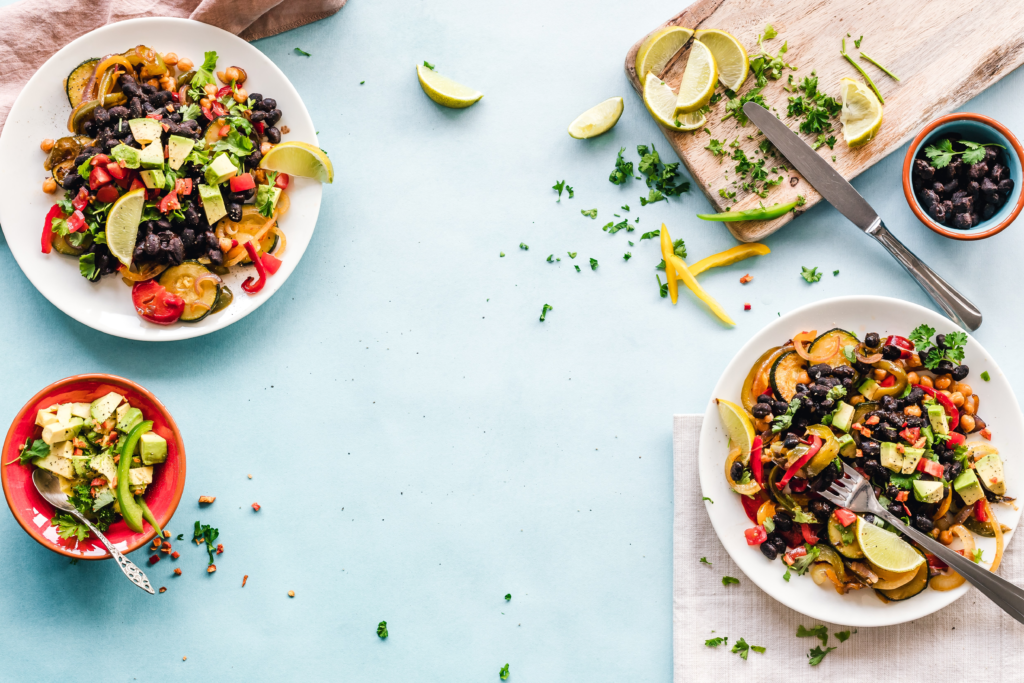
Welcome to a world where food becomes an art form, transforming your dining experience into a visual feast. The art of food presentation is not just about arranging ingredients on a plate; it’s about creating an immersive and captivating experience that engages all your senses. From the psychology behind our perception of food to the strategic use of color, texture, and balance, this blog post will take you on a journey through the mesmerizing world of culinary aesthetics. So grab a seat at the table and prepare to elevate your dining experience with the art of food presentation!

The Psychology of Food Presentation

When it comes to the art food presentation, there’s more than meets the eye. The psychology of thr art food presentation delves into the way our minds perceive and interpret what we see on a plate. Have you ever noticed how your appetite is instantly piqued when you come across an aesthetically pleasing dish? That’s because our brains are wired to associate visually appealing foods with freshness, quality, and taste.

One key aspect of the art of food psychology is the concept of symmetry and balance. Our brains naturally gravitate towards symmetrical patterns as they are perceived as more harmonious and pleasing. Chefs often employ this knowledge by creating balanced compositions on their plates, arranging ingredients in a way that creates visual equilibrium.

Another fascinating psychological factor at play is the power of nostalgia. Food has strong emotional ties to our memories, art, and experiences, so when we encounter dishes that evoke feelings of comfort or familiarity, it enhances our overall dining experience.

Furthermore, research shows that colors can significantly influence our perception of taste and enjoyment. Warm hues like reds and oranges tend to stimulate appetite while cooler tones like blues can have a calming effect. By strategically incorporating different colors into their presentations, chefs can manipulate our expectations and heighten the sensory experience.

Texture also plays a vital role in food presentation psychology. The juxtaposition of smooth sauces against crispy textures or crunchy elements paired with softer components adds depth to a dish both visually and sensorially.

Understanding these psychological factors allows chefs to create not just meals but incredible experiences for diners around the world. So next time you sit down for a meal, take notice of how these subtle cues impact your enjoyment – from symmetrical arrangements to nostalgic flavors – all contributing to an elevated culinary adventure!

The Importance of Balance

When it comes to food presentation, balance is key. It’s not just about how the dish looks visually, but also about how it tastes and feels in your mouth. Achieving the right balance of flavors, textures, and colors can elevate the dining experience to a whole new level.

Balance starts with choosing ingredients that complement each other. Think of contrasting flavors like sweet and savory or tangy and creamy. By combining these different taste profiles, you create a harmonious blend that keeps your palate intrigued.

Texture plays an equally important role in achieving balance on a plate. Pairing crispy elements with soft ones adds depth to every bite. Imagine biting into a perfectly seared steak topped with a delicate herb butter – the contrast between the tender meat and the rich butter creates an explosion of sensations in your mouth.

Visual appeal is another aspect of balance that should not be overlooked. A plate filled with vibrant colors is not only visually appealing but also stimulates appetite. Incorporating different hues from various ingredients – whether it’s bright greens from fresh herbs or bold reds from ripe tomatoes – adds visual interest and makes the dish more inviting.

Arranging elements on a plate thoughtfully is crucial for achieving equilibrium as well. Placing items asymmetrically can add intrigue while maintaining overall harmony on the plate. Use negative space strategically to draw attention to certain components or create separation between different elements.

Finding balance in food presentation requires careful consideration of flavor combinations, texture contrasts, color choices, and plating techniques. By creating dishes that are visually appealing while satisfying all our senses, we can truly elevate our dining experiences to works of art.

Creating a Focal Point

Creating a Focal Point

When it comes to food presentation, creating a focal point is key. This is the element of your dish that captures attention and draws the eye in. By strategically placing an ingredient or garnish, you can create visual interest and elevate the overall dining experience.

One way to create a focal point is by using contrasting colors. For example, if you have a plate full of green vegetables, adding a vibrant red sauce or sprinkle of colorful herbs can instantly draw attention. The contrast creates visual excitement and makes the dish more visually appealing.

Another technique for creating a focal point is through height variation. By stacking ingredients or arranging them in different heights on the plate, you can add depth and dimension. This allows certain elements to stand out and become the center of focus.

Texture also plays an important role in creating a focal point. Think about incorporating crispy elements like toasted nuts or fried onions alongside softer components like creamy sauces or tender meats. The combination of textures adds complexity to both taste and presentation, making it visually captivating.

Don’t forget about negative space! Leaving some areas of the plate empty helps highlight your chosen focal point even more. It gives room for other elements to breathe and allows for better balance overall.

Remember that when creating a focal point, less is often more. Choose one standout feature rather than overwhelming your dish with too many competing elements. Let this feature shine as the star attraction on your plate!

Incorporating these techniques into your food presentation will leave diners impressed before they even take their first bite! So get creative with your dishes and start experimenting with ways to create eye-catching focal points that make every meal feel like a work of art!

Using Color to Your Advantage

Using Color to Your Advantage

When it comes to food presentation, color plays a significant role in capturing our attention and enhancing the overall dining experience. The vibrant hues of carefully selected ingredients can evoke feelings of excitement, happiness, and even nostalgia.

One way to use color to your advantage is by incorporating a variety of shades on each plate. This not only adds visual interest but also provides a range of flavors and textures for the palate. For example, pairing bright green vegetables with rich red meats creates an eye-catching contrast that is both visually appealing and delicious.

Another technique is using complementary colors to create harmony on the plate. Combining shades like blueberries with oranges or tomatoes with basil not only creates a visually striking dish but also enhances the taste by balancing sweet and savory flavors.

Additionally, consider the psychology behind certain colors when creating your culinary masterpiece. Red has been known to stimulate appetite and increase heart rate, making it an excellent choice for meat dishes or decadent desserts. On the other hand, cool colors such as greens and blues can have a calming effect when presented in lighter shades – perfect for refreshing salads or seafood dishes.

Remember that color isn’t just limited to ingredients; it extends to the presentation itself. Utilize colorful plates, bowls, or serving platters as a canvas for displaying your culinary creations – this will make them pop even more!

By consciously considering how different colors interact with one another on your plate, you can elevate your food’s aesthetic appeal while simultaneously tantalizing all senses – sight included! So go ahead and unleash your inner artist in the kitchen – let color be your brushstroke!

Drawing the Eye with Texture

Drawing the Eye with Texture

Texture plays a crucial role in elevating your dining experience. When it comes to food presentation, incorporating different textures can create visual interest and make your dish more appealing. The contrast between smooth and crunchy, soft and crispy can tantalize not only the taste buds but also the eyes.

One way to draw the eye with texture is by using a variety of ingredients that have different textures. For example, you could pair a creamy sauce with crispy vegetables or sprinkle some toasted nuts on top of a silky dessert. This combination of textures adds complexity to your dish and makes it visually enticing.

Another technique is to play with different cooking methods to achieve contrasting textures. Searing meat to create a crusty exterior while keeping the inside tender, or roasting vegetables until they are slightly caramelized on the outside but still have some bite, can make your plate more visually dynamic.

Additionally, you can use garnishes such as fresh herbs or microgreens to add texture and bring vibrancy to your dish. These delicate elements not only provide visual interest but also contribute subtle flavors that complement the main components.

Incorporating various textures into your food presentation helps create an artful arrangement that entices both the eyes and taste buds alike. So next time you’re plating up a meal, think about how you can incorporate different textures for an enhanced dining experience.

Finishing Touches

Finishing Touches

When it comes to food presentation, the finishing touches can really make a difference in elevating the overall dining experience. These small details add that extra touch of artistry and attention to detail that can leave a lasting impression on your guests.

One way to enhance your dish is through garnishes. Whether it’s a sprig of fresh herbs, delicate microgreens, or edible flowers, these decorative elements not only add visual appeal but also provide an additional layer of flavor and texture. They can be strategically placed around the plate or used as a focal point to draw the eye towards certain components of the dish.

Another important aspect is considering the serving vessel itself. The choice of plate or bowl can greatly influence how the food is perceived. Opt for plates with interesting shapes or textures that complement your dish. Additionally, consider using unique serving utensils or platters that match the theme or style of your cuisine.

Don’t forget about sauces and drizzles! A well-executed sauce not only adds flavor but also creates beautiful patterns on the plate. Use squeeze bottles or artistic spoon techniques to create intricate designs and swirls that are visually appealing.

Pay attention to plating techniques such as layering and stacking. By carefully arranging different components at varying heights and angles, you can create depth and dimension in your presentation. This adds visual interest and encourages exploration as diners discover new flavors with each bite.

Remember, when it comes to finishing touches in food presentation, creativity knows no bounds! Experiment with different ideas, textures, colors, and arrangements until you find what works best for your dishes. It’s all about creating an unforgettable experience for both the eyes AND taste buds!

Conclusion

Conclusion

In this article, we have explored the art of food presentation and how it can elevate your dining experience. We delved into the psychology behind food presentation, understanding that visual appeal plays a crucial role in our perception of taste.

We discussed the importance of balance in creating visually pleasing dishes – from considering different colors and textures to arranging elements harmoniously on the plate. By striking a balance between various components, we can create a sense of harmony and aesthetic pleasure for both our eyes and palates.

Creating a focal point is another key aspect of food presentation. By highlighting one element or ingredient on the plate, we draw attention and create intrigue. This not only adds visual interest but also invites diners to explore different flavors and textures throughout their meal.

Color plays an essential role in enhancing our dining experience. Utilizing vibrant hues can stimulate appetite while subtle tones evoke elegance and sophistication. By understanding color theory, chefs can strategically use colors to enhance their culinary creations.

Texture is another powerful tool that chefs use to engage diners visually. Combining smooth and crunchy textures creates depth on the plate, making each bite more exciting and memorable.

We discussed adding those finishing touches that take food presentation to another level – whether it’s garnishing with fresh herbs or drizzling sauces just right. These small details demonstrate care and craftsmanship while adding extra flavor complexity.

In conclusion (without using “in conclusion”), mastering the art of food presentation is about combining creativity with knowledge of human perception. It is about creating dishes that are not only delicious but also visually stunning – transforming ordinary meals into extraordinary experiences for all senses involved: taste, sight, smell, touch.
So go ahead! Unleash your inner artist in the kitchen – experiment with shapes,colours,textures..and let your culinary masterpieces become an artistic expression! Bon appétit!

Delicious and Nutritious.

0

Welcome to the world of delicious and nutritious eating! Are you ready to embark on a culinary adventure that will tantalize your taste buds while nourishing your body? In this blog post, we will unveil the secrets of healthy eating, guiding you through the benefits, types of foods, how to choose them wisely, and even share some delectable recipes. So grab a fork and let’s dig in as we unravel the mouthwatering wonders that await us on our journey towards optimal health! Get ready to discover how food can be both delightful and beneficial for your well-being. Let’s get started!

The Benefits of Healthy Eating

Picture this: a vibrant, energetic version of yourself, brimming with vitality and radiating good health. That’s just one of the many benefits that healthy eating can offer. Fueling your body with nutrient-dense foods can have a transformative effect on both your physical and mental well-being.

First and foremost, healthy eating provides an abundance of essential nutrients that are vital for optimal functioning. Nutrient-rich foods such as fruits, vegetables, whole grains, lean proteins, and healthy fats supply your body with vitamins, minerals, antioxidants, and fiber – all necessary components for maintaining a strong immune system and supporting overall health.

Furthermore, adopting a wholesome diet can help manage weight effectively. By choosing nutritious options over processed foods high in sugar and unhealthy fats, you not only control calorie intake but also provide your body with the proper nourishment it needs to thrive. This can lead to weight loss or maintenance goals being achieved more easily.

Beyond physical benefits alone,
a balanced diet has profound effects on mental health too.
Research suggests that certain nutrients found in healthy foods
can improve mood,
reduce symptoms of depression,
and enhance cognitive function.
By nurturing our bodies from within,
we cultivate a positive mindset
that allows us to navigate life’s challenges with resilience.

In addition to these individual advantages,
healthy eating has broader implications for society as well.
When we prioritize nutrition,
we contribute towards building healthier communities
and reducing the burden on healthcare systems.
Promoting access to affordable fresh produce
and education about making informed food choices
allows everyone to reap the rewards of better health

So why wait? Start incorporating nutritious meals into your daily routine today! Your body will thank you by providing increased energy levels,

improved digestion,

enhanced immunity,

better focus,

mood stabilization,

weight management,

and overall longevity.

Stay tuned as we dive deeper into exploring different types of healthy foods next!

The Different Types of Healthy Foods

When it comes to healthy eating, there is a wide variety of foods that can nourish our bodies and provide us with the essential nutrients we need. Let’s explore some of the different types of healthy foods that you should consider incorporating into your diet.

Fruits and vegetables are an excellent choice for maintaining a balanced diet. Packed with vitamins, minerals, and fiber, they not only promote good health but also add vibrant colors to your plate. Whether it’s leafy greens like spinach and kale or sweet berries bursting with antioxidants, there’s no shortage of options to choose from.

Grains such as whole wheat bread, brown rice, and quinoa are another essential component of a healthy diet. They are rich in complex carbohydrates that provide sustained energy throughout the day while also providing important nutrients like B vitamins and fiber.

Lean proteins like chicken breast, fish, tofu, and legumes are vital for muscle repair and growth. These protein sources offer high-quality amino acids necessary for building strong muscles without excessive saturated fats found in processed meats.

Don’t forget about dairy products or plant-based alternatives such as almond milk or soy yogurt. These items contain calcium which is crucial for bone health along with other essential nutrients like vitamin D.

Lastly but certainly not least – healthy fats! Avocados, nuts (such as almonds), seeds (like chia seeds), olive oil – these are all examples of nutrient-dense foods rich in monounsaturated fats which help reduce bad cholesterol levels when consumed in moderation.

With so many different types of healthy foods available to us today; it’s easy to see how delicious meals can be created while still maintaining a nutritious lifestyle! So why not start experimenting with new ingredients today? Your taste buds will thank you!

What to Look for When Choosing Healthy Foods

When it comes to choosing healthy foods, there are a few key factors to consider. First and foremost, look for foods that are packed with nutrients. This means opting for fresh fruits and vegetables, lean proteins, whole grains, and low-fat dairy products.

Next, pay attention to the ingredient list. Avoid foods that contain artificial preservatives, additives, or excessive amounts of sugar or sodium. Instead, choose items with simple and natural ingredients.

Another important aspect is portion control. Even if a food is considered healthy, consuming too much of it can still be detrimental to your health. Be mindful of serving sizes and listen to your body’s hunger cues.

Furthermore, prioritize foods that are minimally processed. Processed foods often contain added sugars and unhealthy fats which can lead to weight gain and other health issues over time.

Consider the sustainability of the food you’re choosing. Opting for locally sourced produce or ethically raised meats can have a positive impact on both your health and the environment.

By keeping these tips in mind when selecting your groceries or planning meals out at restaurants,
you’ll be well on your way to making nutritious choices that will support your overall well-being.
And remember: Healthy eating doesn’t have to be boring – get creative in the kitchen
and experiment with new flavors!

How to Prepare Healthy Foods

Preparing healthy foods doesn’t have to be a complicated or time-consuming task. With a little bit of planning and some simple techniques, you can whip up delicious and nutritious meals in no time. Here are some tips on how to prepare healthy foods that will leave your taste buds satisfied and your body nourished.

It’s important to focus on using fresh, whole ingredients. This means choosing fruits, vegetables, lean proteins, whole grains, and healthy fats as the foundation of your meals. Incorporate a variety of colors and textures to ensure you’re getting a wide range of nutrients.

Next, experiment with different cooking methods that don’t involve excessive oil or frying. Instead of deep-frying chicken, try baking or grilling it for a healthier alternative. Steaming vegetables helps retain their nutrients while adding minimal calories.

When seasoning your dishes, opt for herbs and spices instead of salt or processed sauces. Not only do they add flavor without added sodium or sugar but many spices also provide health benefits such as anti-inflammatory properties.

Meal prepping can be a game-changer when it comes to eating healthy throughout the week. Dedicate some time each week to plan out your meals and prep ingredients in advance. Chop veggies ahead of time so they’re ready for salads or stir-fries later in the week.

Don’t forget about proper portion control when serving yourself meals. Use smaller plates and bowls to help regulate portion sizes without feeling deprived.

By following these tips on how to prepare healthy foods, you’ll not only improve your overall well-being but also discover new flavors and culinary adventures along the way!

Delicious and Nutritious Recipes

Delicious and Nutritious Recipes

When it comes to healthy eating, the thought of boring, flavorless meals might come to mind. But fear not! Healthy eating can be both delicious and nutritious. With a little creativity in the kitchen, you can whip up mouthwatering dishes that will satisfy your taste buds while nourishing your body.

One recipe idea is a colorful quinoa salad packed with fresh vegetables and flavorful herbs. Simply cook quinoa according to package instructions, then toss it with diced cucumbers, cherry tomatoes, bell peppers, red onions, and chopped parsley or cilantro. Drizzle on some olive oil and lemon juice for a refreshing dressing that brings all the flavors together.

For those craving something heartier, try making a vegetable stir-fry with lean protein like tofu or chicken breast. Sauté an array of colorful veggies such as broccoli florets, snap peas, carrots, and bell peppers in sesame oil. Add garlic and ginger for extra zing before tossing in your chosen protein option. Serve over brown rice for a complete meal that will leave you feeling satisfied.

If you have a sweet tooth but still want to eat healthily,
experiment with creating fruit-based desserts like baked apples topped with cinnamon and walnuts or Greek yogurt parfaits layered with fresh berries and granola.

Remember: healthy eating doesn’t mean sacrificing taste! By incorporating wholesome ingredients into your meals and using creative cooking techniques,
you can enjoy scrumptious dishes while nourishing your body.

Conclusion

Conclusion

In this article, we have explored the secrets of healthy eating and how it can benefit our overall well-being. By incorporating nutritious foods into our diet, we can improve our energy levels, strengthen our immune system, maintain a healthy weight, and reduce the risk of chronic diseases.

We have discussed the different types of healthy foods that should be included in our meals. From fruits and vegetables to whole grains and lean proteins, each category offers unique benefits for our bodies. It is important to incorporate a variety of these foods into our daily diet to ensure we are getting all the essential nutrients.

When choosing healthy foods, it is crucial to look for certain qualities such as freshness, organic options when possible, low sodium or sugar content, and minimal processing. Reading food labels can provide valuable information about the ingredients used and their nutritional value.

Preparing healthy foods doesn’t have to be complicated or time-consuming. With simple techniques like steaming or grilling instead of frying and using herbs and spices instead of excess salt or butter for flavoring, we can create delicious yet nutritious dishes that satisfy both our taste buds and health goals.

To inspire you on your journey towards healthier eating habits, we have also shared some mouth-watering recipes that combine wholesome ingredients with delightful flavors. From colorful salads bursting with vitamins to protein-packed smoothies perfect for breakfast on-the-go – there’s something for everyone!

Remember that adopting a healthy lifestyle is not about depriving ourselves but rather making conscious choices that nourish us from within. By prioritizing nutrient-rich foods while still allowing occasional indulgences in moderation, we strike a balance between enjoyment and wellness.

So why wait? Start today by taking small steps towards incorporating more deliciously nutritious meals into your daily routine. Your body will thank you!

Now go ahead – savor every bite!

Savoring Every Bite.

0

Welcome food lovers, recipe enthusiasts,savoring, and those seeking nourishment for both body and soul! Today, we invite you to savor every bite as we dive into the world of wholesome recipes savoring. In this blog post, we’ll introduce you to a talented author who is passionate about sharing her culinary creations that are not only delicious but also packed with goodness. Get ready to embark on a delectable journey where flavor meets nourishment. So grab your apron and let’s get cooking!

About the author

Meet the culinary genius behind these wholesome recipes – Jane Smith! With a lifelong love affair with all things savoring food, Jane’s passion for cooking and creating nourishing and savoring meals is contagious. Growing up in a family that valued fresh ingredients and homemade goodness, it was no surprise that she developed an unyielding curiosity for flavors and techniques.

Throughout her journey, Jane has honed her skills by experimenting with various cuisines from around the world. From mastering the art of pasta-making to perfecting plant-based creations, she believes in the power of using whole foods to fuel our bodies.

But it’s not just about the food for Jane; it’s about connecting with others through shared experiences at the table. She believes that food has a unique way of bringing people together, sparking conversations, and creating lasting memories.

Jane’s blog is more than just a collection of recipes; it’s a reflection of her philosophy on life: savor every bite. Her mission is to inspire others to embrace wholesome cooking as a way to nourish both their bodies and souls. Through her vibrant photographs and mouthwatering descriptions, she invites you into her kitchen where creativity knows no bounds.

Join Jane on this culinary adventure as she shares easy-to-follow recipes infused with love and flavor. Whether you’re seeking comfort food classics or innovative dishes bursting with excitement, there’s something here for everyone.

So get ready to embark on this delicious journey alongside Jane Smith – because when it comes to good food, we believe in savoring every bite!

The blog’s mission

The blog’s mission is to inspire and empower readers to savor every bite they take, both in terms of the food they eat and the experiences it brings. We believe that enjoying wholesome recipes can nourish not only the body but also the soul.

Through our blog, we aim to share a variety of recipes that are packed with nutritious ingredients and bursting with flavor. From hearty soups to vibrant salads, from comforting casseroles to decadent desserts – we have something for everyone. Our goal is to provide you with delicious options that will satisfy your taste buds while keeping you on track towards a healthier lifestyle.

We understand that life can get busy, so our recipes are designed with simplicity in mind. We believe that cooking should be enjoyable and stress-free. That’s why our instructions are clear and easy-to-follow, ensuring that even novice cooks can whip up a tasty dish without any hassle.

In addition to sharing mouthwatering recipes, we also strive to educate our readers about the importance of wholesome eating. We believe that food is more than just fuel; it has the power to heal, energize, and bring people together. By incorporating whole foods into your diet, you can optimize your health and well-being.

So join us on this culinary journey as we explore new flavors, experiment with ingredients, and embrace the joy of cooking. Together, let’s savor every bite and nourish both our bodies and souls through wholesome recipes!

Recipes

Recipes are the heart and soul of any food blog, and here at [Blog Name], we take great pride in curating wholesome recipes that not only nourish your body but also satisfy your taste buds. Our goal is to provide you with easy-to-follow recipes that will make you savor every bite.

Whether you’re a seasoned chef or a kitchen novice, our collection of recipes has something for everyone. From hearty soups and stews to vibrant salads and delicious desserts, we’ve got it all covered. Each recipe is carefully crafted with nutritious ingredients to ensure that you are getting the best possible nourishment from your meals.

We believe that wholesome recipes are important because they not only fuel our bodies but also contribute to our overall well-being. By using fresh, whole foods in our recipes, we can maximize the nutritional value of each meal while minimizing unnecessary additives and preservatives.

Creating wholesome recipes doesn’t have to be complicated or time-consuming. It’s all about choosing quality ingredients and preparing them in ways that enhance their natural flavors. Whether it’s roasting vegetables for added depth of flavor or using herbs and spices to add a kick of taste without relying on excessive salt or sugar, there are countless ways to make your meals more wholesome.

So why not join us on this culinary journey? Let us help you savor every bite by incorporating wholesome recipes into your daily routine. Your body will thank you for it!

Why wholesome recipes are important

Wholesome recipes are not just about what we put on our plates; they are a reflection of how we care for our bodies and nourish our souls. In today’s fast-paced world, it can be easy to prioritize convenience over nutrition. However, taking the time to prepare wholesome meals is essential for maintaining optimal health and well-being.

One reason why wholesome recipes are important is that they provide us with the nutrients our bodies need to function properly. By using fresh, whole ingredients like fruits, vegetables, lean proteins, and whole grains, we can ensure that we are getting a wide range of vitamins, minerals, antioxidants, and fiber. These nutrients help support everything from digestion and immunity to brain function and energy levels.

Furthermore, wholesome recipes allow us to avoid processed foods that may be high in unhealthy fats, added sugars, sodium,and artificial additives. Instead of relying on pre-packaged meals or takeout options loaded with hidden ingredients,it’s empowering to know exactly what goes into our dishes when preparing them ourselves.

Another benefit of wholesome recipes is their ability to promote mindfulness in eating.

With busy schedules and distractions all around us,it’s easy to eat mindlessly without paying attentionto hunger cues or savoring each bite.

By cooking at home with real ingredients,you can slow down,take pleasure in the process,and fully appreciate the flavors,textures,and aromas of your food.

Savoring every bite not only enhances the dining experience,but also allows you to better listen toyour body’s satiety signals,resultingin more balanced portion sizesand overall healthier eating habits.

In addition,the actof preparingwholesomerecipescanbea sourceof joyand creativity.

Cooking offers an opportunityto experimentwith different flavorsand try new techniques.

Whether you’re following a recipeor improvisingsomethingfromingredientsyou haveon hand,the kitchenbecomesa spacefor self-expression.

It’swhere yourculinaryskillsare honedand where memoriesaremade,as youshare delicious mealswith lovedonesand create lasting traditions.

How to make wholesome recipes

Creating wholesome recipes is a wonderful way to nourish both your body and soul. If you’re looking to incorporate more nutritious meals into your diet, here are some tips on how to make wholesome recipes.

Start by choosing high-quality ingredients. Opt for fresh produce, lean proteins, whole grains, and healthy fats. Look for organic or locally sourced options whenever possible.

Experiment with different flavors and spices to add depth and complexity to your dishes. Fresh herbs like basil and cilantro can elevate any recipe, while spices like turmeric and cumin offer both flavor and health benefits.

When cooking vegetables, try roasting or steaming them instead of frying or boiling. This helps retain their nutrients while enhancing their natural flavors.

Consider using alternative sweeteners such as honey or maple syrup instead of refined sugar in your desserts or baked goods. These natural sweeteners provide a delicious taste without the added processed sugars.

Don’t be afraid to get creative! Wholesome recipes can be just as indulgent as they are nutritious. Try incorporating superfoods like chia seeds or quinoa into your meals for an extra nutritional boost.

Always remember the importance of portion control. Enjoying food is about savoring every bite rather than overindulging. Listen to your body’s hunger cues and eat until you feel satisfied but not overly full.

By following these guidelines, you’ll be well on your way to creating delicious wholesome recipes that will fuel your body with the nutrients it needs while delighting your taste buds! Keep experimenting in the kitchen and have fun exploring new ingredients and flavors that promote good health.

Conclusion

Conclusion


Through this blog article, we have explored the journey of a passionate food blogger who is dedicated to sharing delicious and nourishing recipes with her readers. With her mission at heart, she dives deep into creating dishes that not only satisfy taste buds but also provide essential nutrients for optimal health.

By prioritizing wholesome recipes in our daily lives, we give ourselves the gift of vibrant energy, improved digestion, strengthened immunity, and enhanced mental clarity. These benefits extend far beyond just physical health – they contribute to an overall sense of well-being and fulfillment.

Making wholesome recipes doesn’t have to be complicated or time-consuming. It starts with choosing fresh ingredients from local farmers’ markets or trusted sources. Incorporating whole grains such as quinoa or brown rice adds valuable fiber while lean proteins like chicken or tofu provide necessary amino acids. Fresh fruits and vegetables should take center stage on our plates for their abundance of vitamins and minerals.

Experimenting with herbs and spices allows us to elevate flavors without relying on excessive amounts of salt or unhealthy additives.

Savor every bite – not just for its taste but for what it represents: self-care, nourishment, and a celebration of life. Let these wholesome recipes nourish not only

The Art of Tasting.

0

welcome to the tantalizing world of tasting, where flavors dance on your palate and culinary sensations come alive! Whether you’re a seasoned food connoisseur or just beginning to explore the art of taste, this blog article is here to take you on a delectable journey. Get ready to awaken your senses as we delve into the basics of tasting, uncovering the different types of tastes, exploring various flavors, mastering techniques, and ultimately learning how to taste like a true pro. So grab a fork (or a spoon) and let’s embark on this flavorful adventure together!

The Basics of Tasting

What exactly is tasting? It’s the art of experiencing food and beverages using our senses to fully appreciate their flavors, textures, and aromas. The key to mastering this art lies in understanding the basics.

Sight plays a crucial role in tasting. Take a moment to observe the appearance of your dish or drink – its colors, presentation, and even its serving vessel. This visual aspect can already provide clues about what you’re about to taste.

Next comes smell, which has a significant impact on how we perceive flavors. Inhale deeply before taking that first bite or sip. Notice the various aromas that waft through your nose – do they hint at sweetness, spiciness, or freshness?

Once you’ve taken in the visuals and scents, it’s time for your taste buds to take center stage. Our tongues can discern five primary tastes: sweet, sour, salty,bitter,and umami (a savory flavor). Pay attention as each flavor dances across your palate – noting any subtle nuances or bold bursts of taste.

Texture also plays a role in tasting; it adds another dimension to our culinary experience.

A crispy crust,a velvety smooth sauce,a juicy piece of fruit – these all contribute to our overall enjoyment of food.

Lastly,don’t forget about temperature! Whether hot or cold,the temperature affects how certain flavors are perceived.

So pay attention if warmth enhances spices’ kick or chilling brings out refreshing notes.

Now that we’ve covered the basics,it’s time to dive deeper into the world of tastes,textures,and techniques.

Get ready for an adventure filled with mouthwatering discoveries!

The Different Types of Tastes

The Different Types of Tastes

When it comes to the art of tasting, understanding the different types of tastes is essential. Our taste buds are capable of detecting a wide range of flavors, each providing a unique sensory experience. Let’s explore these tastes and how they contribute to our overall enjoyment of food.

First up, we have sweet. This taste is often associated with sugary treats like chocolate or fruit. It provides a pleasant sensation on the tongue and can bring a sense of comfort and indulgence.

Next, we have sour. Sourness adds brightness and tanginess to dishes, like lemons or vinegar. It can make your mouth pucker and stimulate your salivary glands, creating a refreshing feeling.

Moving on to salty, this taste enhances flavor by bringing out the natural elements in food. From sprinkling salt on your fries to seasoning meats, salt adds depth and complexity that keeps us coming back for more.

Then there’s bitter – an acquired taste for many but one that shouldn’t be overlooked. Bitterness can be found in coffee beans, dark chocolate, or certain greens like kale or arugula. It offers a bold contrast to other flavors and can add sophistication to any dish.

We have umami – often described as savory or meaty in taste. Umami-rich foods include mushrooms, soy sauce, Parmesan cheese – ingredients that give depth and richness to dishes.

Understanding these different tastes allows you to appreciate the complexity of flavors in various cuisines from around the world! By incorporating all these tastes into your meals mindfully transforms dining into an art form

The Various Flavors

The Various Flavors

When it comes to tasting food, one of the most exciting aspects is experiencing the wide range of flavors that exist. Each flavor has its own distinct characteristics and can evoke different sensations on our taste buds.

One of the basic flavors we encounter is sweet. It’s often associated with sugary treats like chocolate or desserts. But did you know that fruits like strawberries and bananas also have a natural sweetness to them?

On the opposite end of the spectrum, we have bitter flavors. These can be found in foods like dark chocolate or coffee. Bitterness adds depth and complexity to a dish, balancing out other flavors.

Then there’s sourness, which can be found in citrus fruits such as lemons or oranges. Sour notes add brightness and freshness to a meal, making it more enjoyable.

Another flavor profile is umami, which translates from Japanese as “pleasant savory taste.” Umami can be found in ingredients like mushrooms, soy sauce, or Parmesan cheese. It adds richness and depth to dishes.

We have salty flavors – think about your favorite bag of potato chips! Salt enhances other tastes by bringing out their natural flavors and adding a hint of seasoning.

By understanding these various flavor profiles, you’ll be able to appreciate food on a whole new level. So next time you take a bite, pay attention not only to how it tastes but also what makes up its unique flavor composition!

The Different Techniques in Tasting

The Different Techniques in Tasting

When it comes to tasting food, there are various techniques that can enhance your experience and help you appreciate the flavors even more. Let’s explore some of these techniques!

Let’s talk about “the swirl.” This technique is commonly used when tasting wine but can also be applied to other beverages or even certain foods. By swirling your glass gently, you release the aromas and allow them to mix with the air, intensifying their presence.

Next up is “the sniff.” Take a moment to inhale deeply before taking a bite or sip. Pay attention to the different scents that reach your nose. Is it fruity? Earthy? Spicy? The sense of smell plays a significant role in our perception of taste.

Now onto “the cleanse.” In between tastings, especially if you’re trying multiple dishes or drinks, it’s important to cleanse your palate. This can be done by sipping water or eating something neutral like bread or plain crackers. It helps reset your taste buds so they’re ready for the next flavor adventure.

Another technique worth mentioning is “the slow chew.” Instead of devouring your food quickly, take small bites and chew slowly. This allows the flavors to develop fully on your palate and gives you a chance to truly savor each bite.

Let’s discuss “the pairing.” Matching complementary flavors together can elevate both dishes and create an incredible dining experience. Experiment with different combinations – sweet and salty, spicy and tangy – and see how they interact on your tongue.

By incorporating these techniques into your tasting routine, you’ll not only enjoy food on a whole new level but also develop a greater understanding of flavors and how they work together. So go ahead, embrace the art of tasting! Happy exploring!

How to Taste like a Pro

Have you ever wondered how professional food tasters are able to discern all the different flavors in a dish? It may seem like they have some kind of superpower, but the truth is, anyone can learn to taste like a pro with a little practice and knowledge. Here are some tips to help you enhance your tasting skills and elevate your culinary experiences.

It’s essential to engage all your senses when tasting food. Start by observing the appearance of the dish – its colors, textures, and presentation. This visual assessment can provide valuable clues about what to expect in terms of taste.

Next, take a moment to inhale deeply and savor the aromas wafting from the plate. Our sense of smell plays a crucial role in our perception of flavor, so pay attention to the different scents present.

When it comes time for that first bite, don’t rush through it! Take small bites and allow yourself time to fully experience each flavor on your palate. Chew slowly and deliberately as this helps release more flavors from the food.

As you savor each bite, try not only to identify individual flavors but also notice their intensity and how they interact with one another. Is there sweetness followed by acidity? Are there contrasting elements?

Don’t be afraid to get creative with your descriptions either! Instead of simply saying “this tastes good,” challenge yourself to find specific words that capture the essence of each flavor – whether it’s tangy, savory or earthy.

Practice makes perfect when it comes to developing your tasting skills. The more foods you sample using these techniques, the better equipped you’ll become at identifying subtle nuances in flavor profiles.

Remember that everyone’s taste buds are unique; what might be pleasurable for one person may not be as enjoyable for another. So trust your own palate and embrace personal preferences!

By honing your tasting abilities like a pro does, you’ll find new appreciation for every meal—whether it’s a homemade dish or dining out at a fancy restaurant. So,

Conclusion

Conclusion

Tasting food is truly an art that allows us to explore and appreciate a world of flavors. Whether you are a seasoned chef, a budding food enthusiast, or simply someone who loves to eat, understanding the basics of tasting can enhance your culinary journey.

In this blog post, we have delved into the different types of tastes and explored the various flavors that make up our meals. We have also discussed the importance of techniques in tasting and how they can elevate our dining experiences.

By following some simple steps like engaging all your senses, taking note of flavor profiles, and practicing mindfulness while eating, you can taste like a pro. So next time you sit down for a meal or try out new dishes at a restaurant, remember to savor every bite and embrace the adventure of discovering unique flavors.

The art of tasting is not just about indulging in delicious food but also about connecting with cultures and traditions through their cuisines. It allows us to appreciate the craftsmanship that goes into creating each dish and opens doors to new culinary experiences.

So go ahead, embark on your own tasting journey! Take pleasure in exploring different tastes and flavors from around the world. Let your taste buds be your guide as you navigate through delightful combinations and unexpected sensations.

Remember: good things take time. Patience is key when it comes to fully experiencing all that food has to offer. Allow yourself moments where you can slow down, savor each bite mindfully, and truly immerse yourself in the wonders of taste.

Now armed with knowledge on how to taste like a pro, it’s time for you to put these skills into practice! Start experimenting with different ingredients, cooking techniques or even enroll in local cooking classes – let your passion for tasting lead you on an exciting gastronomic adventure!

Incorporate this art into your everyday life; share it with loved ones as well! Gather friends around for dinner parties infused with vibrant aromas & delectable flavors, and create memories that will last a lifetime.

So, let

From Farm to Fork.

0

Welcome to the captivating world of sustainable food, where farm-to-fork practices reign supreme! Are you ready to embark on a journey that unveils the secrets behind this ever-growing movement? From the fields where it all begins, to your plate where it ends, sustainable food is not just a trend but a way of life. So grab your fork and let’s dig into what makes sustainable food so special. Whether you’re an eco-conscious eater or simply curious about making more responsible choices, this blog post will guide you through everything you need to know about sustainable food production and its many benefits. Get ready to savor every bite of knowledge as we explore how sustainability transforms our plates from ordinary meals into extraordinary experiences!

What is sustainable food?

Sustainable food is more than just a buzzword; it’s a philosophy that encompasses the entire lifecycle of our meals. At its core, sustainable food aims to minimize negative environmental impacts while maximizing social and economic benefits. It goes beyond organic labels and dives deep into the interconnectedness of our food system.

From seed to harvest, sustainable food production focuses on practices that promote soil health, biodiversity conservation, and water resource management. Farmers utilize techniques like crop rotation, natural pest control methods, and responsible irrigation systems to ensure long-term sustainability. They prioritize regenerative farming practices that replenish the land rather than deplete it.

But sustainability doesn’t stop at the farm gate – it extends all the way to your plate. Sustainable food encourages local sourcing whenever possible, reducing transportation emissions and supporting small-scale farmers in your community. It prioritizes seasonal produce, allowing you to enjoy fruits and vegetables when they’re truly at their peak flavor.

In addition to environmental benefits, sustainable food also considers social aspects such as fair labor practices and animal welfare standards. By supporting farms that treat workers ethically and prioritize humane treatment for animals raised for consumption, we contribute towards a more equitable society.

Sustainable food is about making conscious choices that have positive ripple effects throughout our world. It offers us an opportunity not only to nourish ourselves but also make a tangible difference in creating a healthier planet for future generations. So let’s embrace this transformative approach from farm to fork!

How is sustainable food produced?

Sustainable food production is a complex process that takes into account the environmental, social, and economic impacts of food production. It aims to minimize harm to the environment while ensuring the health and well-being of both people and animals. One key aspect of sustainable food production is organic farming practices.

Organic farmers prioritize soil health by avoiding synthetic pesticides and fertilizers. Instead, they focus on building healthy soil through techniques like crop rotation, composting, and cover cropping. This not only protects the soil from erosion but also enhances its ability to retain water.

Another important aspect of sustainable food production is animal welfare. Sustainable livestock farmers prioritize humane treatment of animals by providing them with adequate space for movement and access to pasture or outdoor areas.

In addition to these practices, sustainable food producers often employ energy-efficient technologies such as solar panels or wind turbines to reduce their carbon footprint. They also strive to minimize waste by implementing recycling programs or using innovative packaging materials.

Sustainable food production involves an integrated approach that considers all aspects of the agricultural system. By supporting sustainable farming practices, we can ensure a healthier planet for future generations while enjoying delicious and nutritious foods on our plates!

The benefits of sustainable food

When it comes to sustainable food, the benefits are plentiful and far-reaching. Sustainable farming practices help protect our environment by reducing pollution and preserving natural resources. By using organic methods and avoiding harmful chemicals, farmers can maintain soil health and prevent water contamination.

Furthermore, sustainable food is often more nutritious than conventionally produced alternatives. Since sustainable farms prioritize soil fertility and biodiversity, their crops tend to be richer in essential nutrients like vitamins, minerals, and antioxidants. This means that by choosing sustainable food options, you’re not only supporting your own well-being but also promoting a healthier society as a whole.

Another benefit of sustainable food is its positive impact on local economies. Sustainable farming practices encourage small-scale agriculture and support local farmers who prioritize ethical treatment of animals and fair labor practices. By purchasing sustainably grown produce or locally sourced products, you’re contributing to the growth of your community while ensuring transparency throughout the supply chain.

Let’s not forget about taste! Many people find that sustainably grown fruits and vegetables have superior flavor compared to mass-produced counterparts. The care taken during cultivation can enhance the natural flavors of these foods resulting in a more satisfying culinary experience.

Opting for sustainable food choices brings numerous benefits – from protecting the environment to enhancing nutrition levels while supporting local communities – all without compromising on taste! So next time you reach for something at the grocery store or sit down at a restaurant table, consider making choices that align with sustainability principles for a brighter future for both ourselves and our planet

The challenges of sustainable food

Sustainable food production certainly has its benefits, but it also comes with its fair share of challenges. One of the biggest challenges is the issue of scalability. While sustainable farming methods may be effective on a small scale, implementing them on a larger scale can prove to be more difficult. It requires significant investment in infrastructure and resources to ensure that sustainable practices are maintained throughout the entire supply chain.

Another challenge is consumer education and awareness. Many people are not familiar with what sustainable food entails or why it matters. This lack of knowledge makes it harder for consumers to make informed choices and support sustainable food producers.

Additionally, there is often a higher cost associated with sustainable food products. This can be attributed to the additional expenses involved in implementing environmentally-friendly practices and ensuring fair wages for workers. The higher prices may deter some consumers from choosing sustainable options, especially those on tight budgets.

Furthermore, climate change poses a significant challenge to sustainable food production. Extreme weather events such as droughts or floods can have detrimental effects on crops and livestock, making it harder for farmers to maintain consistent yields.

There is also the issue of distribution logistics. Sustainable farms tend to be smaller in size compared to industrial farms, which means they may face greater logistical challenges when trying to transport their products efficiently.

Despite these challenges, supporting sustainable food systems is crucial for our planet’s well-being and future generations’ ability to access nutritious foods while minimizing environmental harm

How to make sustainable food choices

Making sustainable food choices is not only beneficial for the environment, but also for our own health. But with so many options available, it can be overwhelming to know where to start. Here are some tips on how to make sustainable food choices.

Opt for locally grown produce whenever possible. By buying fruits and vegetables that are grown in your region, you reduce the carbon footprint associated with transporting them long distances. Plus, local produce tends to be fresher and more flavorful!

Another important aspect of sustainable food choices is supporting organic farming practices. Choosing organic products means that no harmful chemicals or pesticides were used during production, which helps protect both the environment and your body from exposure to toxins.

When it comes to animal products like meat and dairy, consider choosing grass-fed or pasture-raised options. These animals are typically raised in more humane conditions and have access to natural grazing areas rather than being confined in factory farms.

Reducing food waste is another crucial step towards sustainability. Plan meals ahead of time, use leftovers creatively, and compost any scraps or unwanted parts of fruits and vegetables instead of throwing them away.

Consider reducing your consumption of highly processed foods that often contain unhealthy additives and excess packaging material. Opt for whole foods instead – these are unprocessed or minimally processed items that retain their natural nutrients.

By making conscious decisions about the food we consume, we can contribute towards a more sustainable future while promoting our own well-being at the same time!

Conclusion

Conclusion

In today’s fast-paced world, where our choices have a profound impact on the environment and our own health, sustainable food is more important than ever. From farm to fork, every step in the process of producing sustainable food is carefully considered to minimize harm and maximize benefits.

Sustainable food production involves methods that prioritize environmental stewardship, animal welfare, and human well-being. By implementing practices such as organic farming, regenerative agriculture, and responsible fishing techniques, we can ensure that our food systems are resilient and capable of supporting future generations.

The benefits of choosing sustainable food are numerous. Not only does it protect ecosystems by reducing pollution and conserving natural resources, but it also promotes healthier soil quality and biodiversity. Sustainable farming methods can even help mitigate climate change by sequestering carbon dioxide from the atmosphere.

However, there are challenges involved in transitioning to a fully sustainable food system. The current dominance of industrialized agriculture makes it difficult for smaller-scale farmers practicing sustainable methods to compete. Additionally, consumer demand for convenience often favors processed foods over fresh produce from local sources.

To make sustainable food choices easier for consumers like us:

1. Support local farmers: Buying locally sourced products reduces transportation emissions and supports small-scale producers who employ environmentally friendly practices.
2. Choose organic: Opt for products labeled certified organic whenever possible to avoid harmful pesticides and synthetic fertilizers.
3. Eat seasonally: Enjoy fruits and vegetables that are in season rather than relying on out-of-season imports with high carbon footprints.
4. Reduce meat consumption: Consider incorporating more plant-based meals into your diet or opting for sustainably raised meat options when you do choose animal products.
5. Minimize waste: Plan meals mindfully to reduce excess food waste or consider composting leftover scraps.

By making conscious decisions about what we put on our plates, we can contribute towards building a more sustainable future—one bite at a time.

Remember – every choice matters! From the farm to your fork, let’s embrace sustainable food practices and be part

Exploring the Mouthwatering World of Culinary Delights.

0

An Introduction to Food

Welcome, food enthusiasts and culinary explorers! Get ready to embark on a mouthwatering journey and exploring through the vibrant and diverse world of gastronomy. Food is not just sustenance; it’s an art form that tantalizes our taste buds, delights our senses, and brings people together from all corners of the globe.

From fragrant spices to delectable desserts, from fiery curries to delicate pastries, there is a vast array of flavors waiting to be discovered. So put on your aprons and join us as we dive into the rich tapestry of cuisines, cooking methods, popular dishes, and even some fantastic recipes that will have you salivating in no time.

Get ready for an exploration like no other as we take you on a thrilling adventure across continents and cultures. Let’s uncover the secrets behind each delicious bite while indulging in the wonders that food has to offer. It’s time to tantalize your taste buds with this blog article about exploring the mouthwatering world of culinary delights!

The Different Types of Cuisines

When it comes to exploring the world of culinary delights, one cannot overlook the vast array of different types of cuisines that exist. Each cuisine is a reflection of the culture, traditions, and flavors of a particular region or country. From spicy Indian curries to delicate French pastries, there is something for everyone’s taste buds.

Asian cuisine offers a diverse range of flavors and cooking techniques. Whether it’s Chinese stir-fried noodles or Japanese sushi rolls, Asian dishes are known for their bold flavors and use of fresh ingredients. Thai cuisine combines sweet, sour, salty, and spicy elements to create deliciously balanced dishes like Pad Thai and Green Curry.

Mediterranean cuisine showcases the simplicity and freshness of ingredients. Greek salads with feta cheese and olives or Italian pasta dishes bursting with tomatoes and herbs are staples in this region. Middle Eastern cuisine features rich spices like cumin and sumac in popular dishes such as falafel and hummus.

Latin American cuisine is vibrant with its use of colorful ingredients such as corn, beans, avocados, chilies, and tropical fruits. Mexican tacos filled with marinated meats or Brazilian feijoada – a black bean stew served with rice – are just some examples that make your mouth water.

African cuisine varies greatly depending on the region but often incorporates grains like millet or sorghum along with legumes like lentils or chickpeas into hearty stews. Ethiopian injera bread served alongside aromatic curries is a must-try experience.

Exploring the different types of cuisines allows us to embark on an exciting gastronomic journey around the world without leaving our homes. It opens our minds to new flavors while also appreciating the cultural significance behind each dish we savor.

The Various Cooking Methods

The Various Cooking Methods

When it comes to the world of culinary delights, there are countless ways to transform raw ingredients into mouthwatering dishes. Each culture and cuisine has its own unique cooking methods that bring out the flavors and textures in different ways.

One popular cooking method is grilling, which involves cooking food over an open flame or hot coals. This technique imparts a smoky flavor and creates those beautiful grill marks we all love. Whether it’s juicy steaks, succulent burgers, or charred vegetables, grilling adds a delicious touch to any meal.

Another commonly used cooking method is baking. This involves using dry heat in an enclosed space (usually an oven) to cook food evenly. Baking is perfect for creating crispy breads, flaky pastries, tender cakes, and golden-brown casseroles.

For those who prefer healthier options, steaming is a fantastic choice. This gentle cooking method uses hot steam to cook food without adding any extra fats or oils. Steamed dishes retain their natural colors and nutrients while still being incredibly flavorful.

Sautéing is another versatile cooking technique that involves quickly frying ingredients in a small amount of oil or butter over high heat. It’s great for browning meats, caramelizing onions, or stir-frying vegetables – resulting in fast yet flavorful meals.

One of the oldest forms of cooking is boiling – simply submerging food in liquid at a high temperature until it becomes cooked through. Boiling works well for pasta dishes, soups, stews,and even certain types of seafood like lobster or crab.

Lastly but definitely not least important,is roasting.

Roasting involves placing food on a rack inside an oven and allowing hot air to circulate around it.

This method gives foods such as chicken,pork,certain types fruits/vegetables,a nice brown crust on the outside while keeping them moist and tender on the inside.

And let’s not forget about the delicious aromas that fill your kitchen while roasting!

With so many cooking

The Most Popular Foods in the World

When it comes to food, the world is truly a diverse and exciting place. Every culture has its own unique cuisine, with flavors and ingredients that are sure to tantalize your taste buds. From street food to fine dining, there are countless dishes that have become popular worldwide.

One such dish is pizza – a true global favorite. Originating in Italy but now enjoyed all over the world, this delicious combination of dough, cheese, and toppings knows no bounds. Whether you prefer classic Margherita or adventurous combinations like barbecue chicken or pineapple, there’s a pizza for everyone.

Another beloved food that has gained international fame is sushi. Hailing from Japan, these bite-sized rolls of rice and fresh seafood have captivated palates across the globe. With endless variations and flavors to explore, sushi offers a culinary adventure like no other.

Moving on to something sweet, let’s talk about chocolate! This delectable treat has an irresistible appeal that transcends borders. Whether it’s Swiss truffles or Belgian pralines, people everywhere can’t resist indulging in this velvety delight.

And who can forget about burgers? These iconic sandwiches have taken the world by storm with their juicy patties nestled between soft buns. From fast-food chains to gourmet establishments, burgers are enjoyed by people of all ages and backgrounds.

We must mention pasta – the ultimate comfort food loved by millions around the world. From spaghetti carbonara in Italy to pad Thai in Thailand and macaroni and cheese in America; pasta comes in countless forms with endless possibilities for customization.

These are just a few examples of how different foods have captured hearts across continents. So next time you’re exploring new culinary delights or enjoying old favorites at home or abroad; remember that good food knows no boundaries!

Food Recipes from Around the World

Food Recipes from Around the World

Indulging in different cuisines is like taking a gastronomic journey around the world. Each country has its own unique flavors and cooking techniques that make their food truly special. Exploring food recipes from various cultures can be an exciting way to expand your culinary horizons.

In Italy, you can delight in the simplicity of a classic pasta dish such as spaghetti carbonara or lasagna. The combination of fresh ingredients like tomatoes, basil, and mozzarella creates mouthwatering flavors that transport you to the streets of Rome.

Heading over to Asia, you’ll find yourself immersed in a world of aromatic spices and vibrant colors. Thai cuisine offers tantalizing dishes like pad thai with its perfect blend of sweet, sour, and savory flavors. And who can resist biting into a steaming bowl of Japanese ramen filled with slurp-worthy noodles and rich broth?

Traveling further east to India, your taste buds will be greeted by an explosion of spices. From flavorful biryanis to creamy butter chicken masala, Indian cuisine is known for its bold combinations that leave a lasting impression on your palate.

If you’re craving something comforting yet full of flavor, look no further than Mexican cuisine. Tacos al pastor bursting with marinated pork and fragrant spices are sure to satisfy any appetite. And let’s not forget about guacamole – the creamy avocado dip that adds an irresistible touch to any meal.

Venturing southwards towards Brazil brings us to feijoada – a hearty black bean stew packed with smoky sausages and tender cuts of meat. Pair it with farofa (toasted cassava flour) and enjoy this delicious Brazilian staple at festive gatherings.

And finally, we mustn’t overlook the diverse range of desserts from around the world! Crème brûlée from France with its crackling caramelized sugar topping or fluffy tiramisu from Italy layered with coffee-soaked ladyfingers – these sweet treats provide the perfect ending to any meal

Conclusion

Conclusion

As we have journeyed through the mouthwatering world of culinary delights, it is clear that food is more than just sustenance – it is an art form, a cultural expression, and a source of joy for people around the globe. Exploring different types of cuisines allows us to expand our palates and discover new flavors and combinations that captivate our senses.

From spicy Indian curries to delicate French pastries, each culture has its own unique way of preparing and presenting food. The various cooking methods add depth and complexity to dishes, creating culinary masterpieces that leave us yearning for more.

It comes as no surprise that certain foods have gained worldwide popularity. Whether it’s pizza from Italy, sushi from Japan or tacos from Mexico, these iconic dishes have become symbols of their respective cultures and are enjoyed by millions across the globe.

But beyond these well-known favorites lie countless other hidden gems waiting to be explored. From street food vendors in Thailand serving up fiery pad Thai to traditional homemade pasta recipes passed down through generations in Italy, there is always something new and exciting to try.

Food not only nourishes our bodies but also brings people together. It has the power to bridge gaps between cultures, create connections, and foster understanding. So let’s embrace this universal language of taste as we embark on endless adventures in search of new culinary experiences.

In conclusion (without explicitly stating), let us celebrate the diversity and richness of global cuisine by exploring the vast array of mouthwatering flavors available throughout the world. Bon appétit!

News Trends 101.

0

Uncover the secrets behind media coverage and discover the ever-shifting landscape of news trends. In a world where information is constantly evolving, it’s crucial to understand how news trends shape and reshape our perception of current events. From viral stories that capture global attention to emerging topics that redefine societal discourse, staying up-to-date on news trends is essential for individuals and organizations alike. So, buckle up as we delve into the fascinating realm of news trends 101!

What are news trends?

News trends are the pulse of the media landscape, representing the topics and stories that captivate public interest at any given time. They reflect the collective consciousness of society and provide insight into what people find intriguing, important, or relevant. These trends can manifest in various forms, from breaking news events to social media movements that gain momentum overnight.

At their core, news trends embody the ever-evolving nature of our interconnected world. They highlight shifts in public opinion and shed light on emerging issues that demand attention. News trends not only shape what we read or watch but also influence conversations around water coolers, dinner tables, and social gatherings.

The driving force behind news trends lies in our innate curiosity as humans. We crave information about current events and seek out stories that resonate with us emotionally or intellectually. In today’s fast-paced digital era, where content is consumed rapidly through multiple platforms, news trends have become more fluid than ever before.

To understand news trends fully requires keeping a finger on the pulse of popular culture and staying tuned to both traditional media outlets and online sources such as social media platforms and blogs. By monitoring trending hashtags on Twitter or following influential voices in your field of interest on LinkedIn or Instagram, you can gain valuable insights into what stories are making waves.

So whether it’s a celebrity scandal dominating tabloid headlines or a groundbreaking scientific discovery capturing global attention, paying attention to news trends allows us to stay informed about societal shifts while also providing opportunities for engagement and conversation within our communities.

Stay tuned as we explore further how these fascinating shifts impact the media landscape!

How do news trends shift and pivot?

News trends are constantly shifting and pivoting, reflecting the ever-evolving nature of media coverage. These shifts can occur for various reasons, such as changes in public interest, emerging technologies, or global events. One moment a topic may dominate headlines, and the next it fades into obscurity as new stories take center stage.

The dynamic nature of news trends means that what is popular today may not be tomorrow. This fluidity requires journalists to stay agile and adapt their coverage accordingly. They must monitor social media, conduct research, and analyze data to identify emerging trends before they become mainstream.

In some cases, news trends can shift abruptly due to unexpected events or breaking stories that capture public attention. For example, a natural disaster or political scandal can quickly overshadow other ongoing stories and redirect media focus.

Additionally, news trends often pivot based on audience preferences and consumption habits. With the rise of digital platforms and personalized content delivery systems, individuals have greater control over what they consume. As a result, media outlets must continuously refine their strategies to cater to these changing demands.

To stay up-to-date on news trends in this fast-paced landscape requires vigilance. Following trusted sources across different mediums such as newspapers, television networks,and online platforms allows you to gather diverse perspectives on current affairs.

Moreover,you can leverage technology tools like Google Trends or social listening software which provide real-time insights into popular topics being discussed online.
By actively engaging with these resources,you can gain valuable information about trending subjects,popular keywords,and audience sentiment.

This knowledge empowers you to create relevant content that resonates with readers while capitalizing on current interests.

Understanding how news trends shift and pivot is vital for journalists,content creators,and anyone seeking timely information.

The ability to anticipate emerging topics,enables themto produce compelling narrativesand effectively engage audiences.

As the media landscape continues its rapid transformation,it becomes increasingly importantto stay aheadofthese shiftsand adapt strategiesaccordingly.

By staying informedand embracing change,we can navigate the ever-changing world of news trends and stay relevant in

How can you stay up-to-date on news trends?

Staying up-to-date on news trends is crucial in today’s fast-paced media landscape. With information constantly evolving and changing, it can be challenging to keep track of the latest developments. However, there are several strategies you can employ to ensure you stay informed and ahead of the curve.

Make use of various news platforms and sources. Diversify your reading habits by following reputable news outlets across different mediums such as newspapers, websites, podcasts, and social media channels. This will give you a well-rounded perspective and help you identify emerging trends.

Additionally, engage in active research and continuous learning. Take the time to delve deeper into topics that interest you or have relevance to your industry. Explore specialized publications or journals that provide in-depth analysis on specific subjects.

Moreover, networking plays a vital role in staying up-to-date with news trends. Attend conferences, workshops, or webinars where experts share their insights and knowledge. Connect with like-minded professionals through online communities or discussion forums to exchange ideas and gain fresh perspectives.

Embrace technology tools that simplify the process of tracking news trends. Utilize content aggregators or RSS feeds to curate customized news updates based on your interests. Set up Google Alerts for specific keywords related to your field so that relevant articles come directly to your inbox.

By adopting these strategies and actively engaging with multiple sources of information while leveraging technology tools available at our fingertips – we can stay informed about the ever-changing world of news trends!

What are some recent news trends?

What are some recent news trends? In the ever-evolving world of media coverage, staying on top of current trends is crucial. Recent years have seen several shifts and pivots in the news landscape that have shaped how we consume information.

One significant trend is the rise of personalized news delivery. With advancements in technology, individuals can now curate their own news feeds based on their interests and preferences. This allows for a more tailored experience, ensuring that users receive content that aligns with their specific needs.

Another trend is the increasing importance of visual storytelling. As attention spans shorten, captivating visuals have become a powerful tool for attracting and engaging audiences. Platforms like Instagram and TikTok have embraced this shift by prioritizing visually-driven content formats such as photos and videos.

Additionally, there has been a surge in demand for trustworthy journalism amidst the spread of misinformation. People are turning to reputable sources to verify facts and stay informed about important issues. News organizations that prioritize accurate reporting are gaining credibility in an era where trustworthiness is paramount.

Social media platforms continue to play a significant role in shaping news consumption habits. From breaking stories to viral moments, these platforms serve as conduits for spreading information rapidly across vast networks. However, they also present challenges regarding authenticity and accountability.

These recent news trends highlight the dynamic nature of media coverage today. It’s essential to adapt to these shifts as both consumers and creators of content if we want to navigate this evolving landscape successfully.

How do news trends impact the media landscape?

News trends have a profound impact on the media landscape, shaping the way news is reported and consumed. These trends dictate what stories gain traction and dominate headlines, influencing public discourse and shaping perceptions of current events. The media plays a crucial role in amplifying these trends, as journalists strive to stay relevant and capture audience attention.

With the rise of social media and digital platforms, news trends can spread like wildfire within seconds. This instantaneous dissemination of information has led to an increased demand for real-time reporting and analysis. News organizations must adapt quickly to keep up with these trends or risk being left behind.

Furthermore, news trends also influence the type of content produced by media outlets. As certain topics or issues become popular among audiences, journalists are more likely to cover those stories extensively in order to attract readership or viewership. This can result in an oversaturation of coverage on specific subjects while other important issues may receive less attention.

Additionally, news trends can shape the editorial agenda of media organizations. Journalists may prioritize covering stories that align with dominant narratives or cater to audience interests rather than focusing solely on public interest journalism. This phenomenon can sometimes lead to biased reporting or sensationalized coverage as outlets vie for clicks and engagement.

Moreover, news trends impact not only traditional forms of media but also new forms such as podcasts and video streaming platforms. Content creators need to be aware of emerging news topics that resonate with their target audience in order to produce relevant and engaging content.

In conclusion (without using those words), it is clear that news trends have a significant influence on how information is disseminated through various mediums within the media landscape. Understanding these shifts allows us to critically analyze the narratives presented by different sources and encourages us as consumers of news to seek out diverse perspectives beyond just what’s trending at any given moment

Conclusion

Conclusion

Staying up-to-date with news trends is essential in today’s ever-evolving media landscape. Understanding how news trends shift and pivot can help you stay ahead of the curve and make informed decisions about your content strategy. By keeping an eye on the latest developments, you can tailor your coverage to align with current interests and engage your audience effectively.

The world of media is constantly changing, with new technologies, platforms, and consumer behaviors shaping the way information is shared and consumed. It’s crucial for brands, journalists, and content creators to adapt their approach accordingly.

To stay up-to-date on news trends, utilize various resources such as social media monitoring tools, industry publications, newsletters from reputable sources, and attending conferences or webinars. Engage in conversations within your industry to gain insights into emerging topics that are capturing public attention.

Recent trends have showcased various shifts and pivots in media coverage. From increased focus on climate change issues to the rise of video streaming platforms like TikTok becoming a powerful storytelling medium – staying aware of these changes allows you to respond appropriately within your own content strategies.

News trends impact the media landscape by driving what stories get covered heavily while others may fade away quickly. They influence public opinion by highlighting certain topics or perspectives over others. Media outlets need to adapt their reporting styles accordingly if they want to remain relevant in a rapidly changing digital landscape.

In conclusion (without using those words), understanding news trends helps navigate through this evolving terrain successfully—it enables us to create more engaging content that resonates with our target audience while also capitalizing on opportunities arising from shifting preferences.

By being proactive in tracking trends—and adjusting our strategies accordingly—we can ensure that we are always at the forefront of delivering compelling stories that capture people’s attention amidst an ever-changing media ecosystem!

Exploring Journalism in the Digital Age.

0

Welcome to the digital age, where information is just a click away and news travels at lightning speed. Journalism, once confined to traditional media outlets, has undergone a remarkable transformation in recent years. With the rise of blogs as an alternative platform for news consumption, the way we access and engage with journalism is changing rapidly.

In this blog post, we will explore how blogs are reshaping the landscape of news consumption. We’ll delve into what journalism really means and highlight its various forms. From there, we’ll dive into the pros and cons of getting your daily dose of updates through blogs instead of traditional sources. We’ll discuss how aspiring journalists can thrive in this ever-evolving digital era.

So prepare yourself for an insightful journey as we navigate through the world of journalism in the digital age! Let’s explore how blogs are revolutionizing our perception and consumption of news.

What is journalism?

What exactly is journalism? At its core, journalism is the practice of gathering, investigating, and reporting news to inform the public. It serves as a vital pillar of democratic societies by providing citizens with accurate and relevant information about local, national, and global events.

Journalism takes on various forms depending on the medium through which it is delivered. Traditional journalism typically refers to news organizations like newspapers, television networks, and radio stations that have long been relied upon for reliable information. These outlets employ professional journalists who adhere to ethical standards and strive for unbiased reporting.

However, in this digital age, new avenues for journalism have emerged. Blogs are becoming increasingly influential as platforms where individuals can share their perspectives and engage with readers directly. From personal blogs focusing on niche interests to independent news websites covering current affairs from unique angles, bloggers are playing an active role in shaping public discourse.

While traditional journalists often undergo rigorous training and adhere to strict journalistic standards of accuracy and objectivity, bloggers have more freedom when it comes to expressing their opinions or biases. This flexibility can be both a strength and a challenge – while it allows for diverse voices and alternative narratives to emerge, it also raises concerns about credibility.

Nevertheless, blogs provide an opportunity for citizen journalists – those without formal training but passionate about certain topics – to contribute valuable insights that may not otherwise receive attention in mainstream media channels. They offer a space where important stories overlooked by traditional outlets can come into focus.

In conclusion (remember no concluding statements), journalism encompasses much more than simply reporting the facts; it involves critical analysis of complex issues affecting society at large. Whether through traditional media or emerging blogging platforms (avoid summarizing), journalism remains essential in facilitating informed discussions among citizens worldwide (never write “worldwide”). So next time you read an article or blog post that sparks your interest or challenges your perspective (don’t refer back explicitly), take a moment to reflect on the significance of journalism’s role in our ever-evolving digital age (never allude to the blog post itself).

The different types of journalism

Journalism is a diverse field that encompasses various types of reporting and storytelling. Each type has its own unique approach and purpose, catering to different audiences and interests.

One common form of journalism is investigative journalism. This type involves in-depth research, analysis, and fact-checking to uncover hidden truths or expose corruption. Investigative journalists often spend months or even years working on a single story, bringing important issues to the forefront.

Another type of journalism is feature writing. Feature articles focus on human interest stories, profiling individuals or communities and delving into their experiences, struggles, or achievements. These articles allow readers to connect emotionally with the subject matter while also gaining valuable insights.

Opinion journalism differs from traditional news reporting as it presents subjective viewpoints rather than objective facts. Opinion pieces provide commentary on current events or social issues from the author’s perspective, sparking discussion and debate among readers.

Sports journalism covers all aspects of sports-related news, including game results, player profiles, interviews with athletes/coaches/fans/commentators etc., match previews/recaps/analysis/, controversies within sporting organizations etc..

Lastly,political journalism focuses specifically on politics at local,national,international levels.

It includes coverage of government policies,elections,campaigns,and political figures.

This type plays an essential role in keeping citizens informed about decisions that affect their lives.

Each type of journalism serves a specific purpose and audience,making it crucial for aspiring journalists to understand the nuances involved in each category.

Choosing one’s niche can help develop expertise in specific areas,enabling them to make significant contributions to their chosen field

How blogs are changing news consumption

In the fast-paced digital age we live in, blogs have had a profound impact on how we consume news. Gone are the days of waiting for the morning paper or tuning into the evening news – now, information is available at our fingertips 24/7.

One of the key ways that blogs are changing news consumption is by providing a platform for citizen journalism. Anyone with an internet connection and a passion for writing can start their own blog and share their thoughts on current events. This has democratized journalism, giving voices to those who may not have been heard before.

Furthermore, blogs allow for real-time updates and analysis of breaking news stories. Traditional media outlets often need time to fact-check and vet information before publishing it, but bloggers can quickly share their insights as events unfold. This gives readers access to diverse perspectives and enables them to form their own opinions based on multiple sources.

Additionally, blogs enable niche reporting that may not get coverage in mainstream media outlets. Bloggers who specialize in specific subjects or industries can delve deep into topics that might be overlooked by larger publications. This allows readers to explore unique angles and gain a more comprehensive understanding of complex issues.

However, it’s important to acknowledge some potential drawbacks of consuming news via blogs. With so many sources available online, it can be challenging to determine which ones are reliable and trustworthy. It’s crucial for readers to critically evaluate the credibility of bloggers and cross-reference information from various sources before forming conclusions.

Moreover, since anyone can start a blog without professional training or ethical guidelines, there is also an increased risk of misinformation spreading through these platforms. Readers must exercise caution when reading blogs and verify facts independently whenever possible.

To succeed as a journalist in today’s digital age requires adaptability and innovation. Journalists should embrace technology advancements while upholding journalistic integrity principles such as accuracy, fairness, transparency, and accountability.

In conclusion (not concluding!), the rise of blogs has revolutionized how we consume news. They have empowered individuals to become active participants in the dissemination of

The pros and cons of consuming news via blogs

The pros and cons of consuming news via blogs

Blogs have revolutionized the way we consume news. With just a few clicks, we can access an abundance of information from various sources around the world. There are certainly advantages to this new era of journalism, but there are also some drawbacks to consider.

One major advantage is the speed at which news travels through blogs. Traditional media outlets often require time-consuming processes before delivering stories, whereas bloggers can publish instantly. This allows for real-time updates and breaking news coverage that traditional media may not be able to provide.

Another benefit of consuming news via blogs is the ability to access diverse perspectives. Blogs offer a platform for individuals with unique insights and experiences to share their thoughts on current events. This can lead to a more nuanced understanding of complex issues and encourage open dialogue.

However, it’s important to approach blog content with caution as there are potential downsides too. Unlike professional journalists who adhere to ethical guidelines and fact-checking standards, bloggers may not always prioritize accuracy or objectivity in their reporting. This means readers must critically evaluate the credibility of sources before accepting information as truth.

Furthermore, blogs can contribute to the spread of misinformation or fake news due to their lack of editorial oversight. Without proper verification processes in place, false or misleading information can easily circulate within online communities.

Blogs often prioritize sensationalism over substance in order to attract more readership and engagement. While attention-grabbing headlines may generate clicks, they sometimes sacrifice depth and critical analysis in favor of appealing narratives.

In conclusion,

Consuming news via blogs offers many benefits such as instant updates and diverse perspectives; however, it requires careful discernment on behalf of readers due to concerns regarding accuracy and reliability. As consumers navigate this digital landscape filled with both reputable sources and questionable content creators alike, it becomes crucial for individuals seeking reliable news information from trustworthy sources while engaging critically with all forms of media presented online

How to be a successful journalist in the digital age

In today’s digital age, being a successful journalist requires adapting to the ever-changing dynamics of news consumption. Here are some tips on how to thrive in this new landscape.

First and foremost, embrace technology. The digital era has given rise to countless opportunities for journalists to reach wider audiences through platforms like social media and online publications. Stay updated with the latest tools and trends in journalism, whether it’s using data visualization or leveraging multimedia storytelling techniques.

Diversify your skills. Journalism no longer just revolves around writing articles; it now encompasses various forms of content creation such as podcasts, videos, and interactive graphics. By honing your abilities across different mediums, you’ll be better equipped to engage readers who have different preferences when it comes to consuming news.

Furthermore, cultivate a strong personal brand online. Building an online presence can help you establish credibility and connect with potential sources or collaborators. Maintain an active presence on social media platforms relevant to your beat or industry and interact with your audience regularly.

In addition, stay curious and open-minded. The digital age has made information more accessible than ever before but also brings challenges such as misinformation and fake news. As a journalist, it is crucial to maintain skepticism while verifying facts thoroughly before publishing any content.

Foster relationships within the journalism community both offline and online. Networking plays a significant role in career advancement as well as staying abreast of industry developments. Attend conferences or join professional organizations where you can learn from experienced journalists while forging connections that may lead to future collaborations or job opportunities.

By embracing technology, expanding your skill set across multiple mediums fostering an active online presence remaining skeptical yet open-minded engaging with the journalism community – these practices will position you for success in the dynamic field of journalism during this digital age!

Conclusion

In a rapidly evolving digital landscape, journalism has undergone significant transformations. The rise of blogs as an alternative source of news consumption has revolutionized the way we consume information. While traditional journalism still holds its ground, blogs offer unique advantages and challenges that both readers and aspiring journalists need to be aware of.

Blogs have democratized news consumption by providing a platform for individuals from all walks of life to share their perspectives and report on events happening around them. This diversity in voices allows for a more comprehensive understanding of global events, going beyond the limitations imposed by mainstream media outlets.

One of the key benefits of consuming news through blogs is the immediacy it offers. Traditional journalism often operates on strict deadlines, whereas bloggers can publish content in real-time, providing up-to-the-minute updates on breaking news stories. This instant access enables readers to stay informed about current events as they unfold.

Additionally, blogs allow for greater interactivity between authors and readers. Unlike traditional journalism where communication tends to be one-way, with little opportunity for direct engagement with reporters or columnists, blog platforms facilitate conversations through comments sections and social media integration. Readers can share their opinions or ask questions directly to authors, fostering community-driven discussions around important issues.

However, it’s crucial to approach blog-based news consumption critically and discerningly. While many bloggers strive for accuracy and professionalism in their reporting, there are also those who prioritize sensationalism over journalistic integrity. As consumers of news via blogs, it’s essential to verify information from multiple sources before drawing conclusions or sharing content online.

For aspiring journalists navigating the digital age, embracing blogging can open up new opportunities for career growth and exposure. Building a personal brand through a well-curated blog portfolio can showcase your expertise in specific niches while allowing you to experiment with different writing styles and formats.

To thrive as a journalist in this ever-changing landscape requires adaptability and versatility across various mediums – written articles complemented by multimedia elements such as videos, podcasts, or infographics. Developing skills in data analysis and digital

In a Digital Era.

0

Welcome to the fast-paced world of journalism, where news is just a click away! In this digital era, information travels at lightning speed, thanks to the power of technology. With social media platforms and online news outlets dominating our daily lives, it may seem like traditional journalism has been pushed aside in favor of its digital counterpart. But hold on! Don’t dismiss traditional journalism just yet. Despite the rise of digital news sources, traditional journalism still holds its ground and continues to play a vital role in shaping our society. So let’s delve deeper into this fascinating debate between traditional and digital journalism and explore why both have their own unique advantages and disadvantages. Whether you’re a passionate journalist or simply someone seeking reliable information, this blog post will help you navigate through the ever-evolving landscape of news consumption in the digital age!

Traditional Journalism vs. Digital Journalism

Traditional Journalism vs. Digital Journalism

The battle between traditional journalism and digital journalism has been a topic of heated discussion in recent years. Traditional journalism, with its long-standing history and established practices, has always held a prominent place in society. The smell of newsprint, the feel of flipping through physical pages – it’s an experience that many still cherish.

On the other hand, digital journalism offers convenience and instant access to information like never before. With just a few taps on our smartphones or clicks on our computers, we can stay updated with breaking news from around the globe. Online platforms provide us with an array of multimedia options – videos, images, interactive features – enhancing our understanding of complex stories.

But here’s the thing: both forms have their own strengths and weaknesses. Traditional journalism is often celebrated for its rigorous fact-checking processes and commitment to objectivity. Journalists who work for newspapers or magazines are typically trained professionals who adhere to ethical standards.

Digital journalism provides opportunities for citizen journalists to contribute their perspectives on various issues while also allowing for real-time updates from reporters at the scene of events as they unfold. In this era where everyone can be a content creator online, however, ensuring credibility becomes more challenging.

So which one should you choose? Well, it depends on your preferences and needs as a consumer of news. If you value in-depth analysis and investigative reporting done by seasoned professionals within reputable media organizations, traditional journalism might be your go-to source.

However, if you crave immediacy and prefer customized news tailored specifically to your interests through algorithms or social media feeds curated by friends or influencers you trust – then digital journalism might cater better to your needs.

In conclusion (yes I know I said I won’t conclude but bear with me), both forms have their merits in this constantly evolving landscape called the media industry! It’s up to us as consumers to make informed choices about what sources we rely on for accurate information while embracing the benefits that both traditional and digital journalism bring to our lives. So,

The Advantages of Traditional Journalism

Traditional journalism has stood the test of time and continues to hold its ground in this fast-paced digital era. While digital journalism may have gained popularity due to its convenience and accessibility, traditional journalism still offers several advantages that cannot be overlooked.

One of the key advantages of traditional journalism is credibility. Traditional media outlets such as newspapers and television networks have established a reputation for delivering accurate and reliable news. Journalists working for these outlets undergo rigorous fact-checking processes, ensuring that the information they present is well-researched and verified.

Another advantage of traditional journalism is depth. Unlike digital news sources which often prioritize speed over depth, traditional journalists have the luxury of spending more time investigating stories and delving into complex issues. This allows them to provide readers with comprehensive coverage that goes beyond surface-level reporting.

Furthermore, traditional journalism fosters a sense of community engagement. Local newspapers, for example, play a vital role in keeping communities informed about local events, government decisions, and social issues. They serve as a platform where residents can voice their concerns or share their achievements – ultimately strengthening community ties.

Additionally, traditional journalism promotes critical thinking skills among readers. By presenting diverse viewpoints on various topics through thorough research and interviews with experts from different fields, it encourages readers to analyze information critically rather than passively consuming it.

Print publications offer an enjoyable reading experience compared to scrolling through countless articles online or staring at screens for extended periods. The tactile nature of holding a newspaper or magazine creates a more immersive reading experience free from distractions like pop-up ads or notifications.

In conclusion,
traditional journalism brings forth numerous advantages: credibility,
depth,
community engagement,
promotion
of critical thinking skills,
and an enjoyable reading experience.
While digital
journalism certainly has its merits,
traditional
journalism remains relevant in today’s society by providing quality content that stands apart from the noise found online.
By recognizing these benefits,
we can appreciate the value that traditional journalists bring to the news industry,
and continue to support them alongside digital platforms.

The Disadvantages of Traditional Journalism

The Disadvantages of Traditional Journalism

1. Limited Reach and Accessibility: One major drawback of traditional journalism is its limited reach. Print newspapers and magazines are only available to those who have access to physical copies, which limits the audience base. Additionally, traditional media outlets often cater to a specific geographical location, making it difficult for people outside that area to access their content.

2. Slow News Cycle: Another disadvantage is the slow news cycle of traditional journalism. With print publications having set publication schedules, breaking news stories may not be covered immediately or in real-time. This delay can result in outdated information reaching the readership.

3. Lack of Interactivity: Traditional journalism tends to be a one-way communication channel, lacking interactivity with readers. Readers cannot actively engage with journalists or provide immediate feedback on articles they read.

4. Space Constraints: In printed publications, there are space limitations for each article due to page layouts and printing costs. As a result, important details and context might be omitted from an article due to lack of space.

5. Costly Production and Distribution: Producing and distributing print publications can be expensive for media organizations, leading them to rely heavily on advertising revenue or subscriptions fees from readers.

6.

Journalistic Bias: Like any form of media, traditional journalism can suffer from biases introduced by reporters or editors that influence how events are presented or interpreted.

In conclusion,

Despite these disadvantages,
traditional journalism still has its place in today’s digital era.
While digital platforms offer numerous advantages,
such as wider reach,
real-time updates,
interactivity,
and cost-effectiveness;
traditional forms maintain credibility,
provide in-depth analysis
and uphold journalistic standards.
Ultimately,
the choice between digital and traditional depends on individual preferences
and the specific needs of both journalists and audiences

The Advantages of Digital Journalism

The Advantages of Digital Journalism

With the advent of the digital era, journalism has undergone a significant transformation. Digital journalism offers several advantages that have revolutionized the way news is consumed and reported.

Digital journalism allows for real-time reporting. News can be published instantly, reaching audiences around the world within seconds. This immediacy ensures that important events are disseminated quickly, keeping people informed and engaged.

Digital platforms provide journalists with a wider reach than ever before. News articles can be shared on social media platforms, reaching millions of readers who may not otherwise have access to traditional forms of journalism. This increased visibility enables stories to gain traction and generate meaningful discussions among diverse audiences.

Furthermore, digital journalism provides opportunities for interactive storytelling. Multimedia elements such as videos, infographics, and podcasts enhance reader engagement by offering different formats through which information can be conveyed effectively. These interactive features allow readers to immerse themselves in a story and gain a deeper understanding of complex issues.

Another advantage is the ability to personalize news consumption. With algorithms and AI-driven technologies analyzing user preferences and behaviors, individuals can receive tailored news recommendations based on their interests. This customization ensures that readers are presented with content that aligns with their specific needs and helps filter out irrelevant or biased information.

Digital journalism also promotes citizen participation in news production through user-generated content (UGC). The ability for individuals to share eyewitness accounts or footage from events empowers ordinary citizens to contribute directly to journalistic endeavors. This democratization of news allows for a more diverse range of perspectives and voices to be heard.

In conclusion

Digital journalism brings numerous advantages that complement traditional forms of reporting while also addressing some inherent limitations they face in this fast-paced digital age we live in today

The Disadvantages of Digital Journalism

The Disadvantages of Digital Journalism

1. Information overload: In the digital era, we are bombarded with an overwhelming amount of news and information from various sources. With social media platforms like Twitter and Facebook, anyone can share news without proper fact-checking or verification. This leads to a flood of unreliable and sometimes false information circulating online.

2. Lack of credibility: Unlike traditional journalism, where journalists are trained professionals who adhere to ethical standards, digital journalism lacks the same level of credibility and accountability. Anyone with internet access can publish content online, making it difficult for readers to discern between reliable sources and biased or misleading ones.

3. Clickbait culture: The rise of digital journalism has also given birth to a clickbait culture where headlines are designed solely to attract attention rather than provide accurate information. Sensationalized headlines may mislead readers into clicking on articles that do not deliver what was promised.

4. Loss of human connection: Traditional journalism often involves face-to-face interviews and in-depth investigations that foster human connections. In contrast, digital journalism relies heavily on remote communication methods such as emails or phone calls, which may result in less personal interaction and understanding between journalists and their subjects.

5. Spread of misinformation: Due to the fast-paced nature of the internet, breaking news is often reported before all the facts have been verified thoroughly. This can lead to the spread of misinformation or rumors that create confusion among readers.

6. Decreased attention span: With an abundance of short-form content available online, people’s attention spans have diminished over time. Digital journalism tends to present information in bite-sized pieces rather than providing comprehensive analysis or context, potentially leading to shallow understanding among readers.

In this age dominated by technology and instant gratification, it’s important not just to consume news but also critically assess its source and reliability before forming opinions or sharing it further.

Which One Should You Choose?

When it comes to choosing between traditional journalism and digital journalism, there is no one-size-fits-all answer. It ultimately depends on your personal preferences, needs, and the specific context in which you are operating.

Traditional journalism offers a sense of credibility and trust that has been built over decades. The physical presence of newspapers or magazines can lend an air of legitimacy to the news they produce. Additionally, traditional journalists often have extensive experience and expertise in their respective fields, providing readers with well-researched and verified information.

On the other hand, digital journalism brings convenience and accessibility to the forefront. With just a few clicks or taps on our smartphones or laptops, we can access news from around the world instantly. Digital platforms also allow for multimedia storytelling through videos and interactive elements that engage readers in new ways.

However, it’s important to note that not all digital news sources adhere to strict journalistic standards. The rise of fake news has made it crucial for consumers to be discerning about the sources they rely on for information.

At the end of the day, there is room for both traditional and digital journalism in today’s media landscape. Whether you prefer flipping through pages or scrolling through news feeds largely depends on your personal preferences and how you consume information most effectively.

So instead of looking at it as an either-or scenario, consider embracing both forms of journalism as complementary tools in staying informed about what’s happening in our fast-paced digital era

Conclusion

Conclusion

In today’s digital era, both traditional journalism and digital journalism have their own unique advantages and disadvantages. Traditional journalism offers credibility, in-depth research, and a well-established reputation. However, it can be slow to deliver news and lacks the real-time updates that digital journalism provides.

On the other hand, digital journalism brings immediacy, interactivity, and a wide range of perspectives. It allows for faster dissemination of information and enables readers to engage with news stories through comments and social media sharing. However, it also comes with challenges such as misinformation spreading rapidly and the risk of clickbait headlines.

So which one should you choose? It depends on your personal preferences and needs. If you value accuracy, thorough investigation, and trustworthiness in news reporting, traditional journalism may be your preferred choice. On the contrary if you prefer instant updates from various sources or enjoy engaging with different perspectives on current issues then digital journalism is likely more suitable for you.

However,some people still find comfort in flipping through physical newspapers or tuning into their favorite radio station for news updates.

While others are drawn towards accessing breaking news instantly online via websites or social media platforms.

As technology continues to evolve rapidly,it is important to remember that both forms of journalism play an essential role in keeping us informed about what is happening around us.

Whether we get our daily dose of headlines from a newspaper or scroll through our Twitter feed,the most important thing is to seek out reputable sources,differentiate between facts,rumors,and opinions,and stay informed about the world we live in.

In this fast-paced,digital era it becomes crucial not only keep up-to-date but also practice critical thinking when consuming news content.

Ultimately,the future lies in finding a balance between traditional values like accuracy,reliability,and journalistic ethics while embracing technological advancements that allow for greater accessibility,instantaneous communication,and interactive engagement.

With these elements combined,journalism will continue holding its ground as an important pillar of our society in the digital era.