Home Blog Page 18

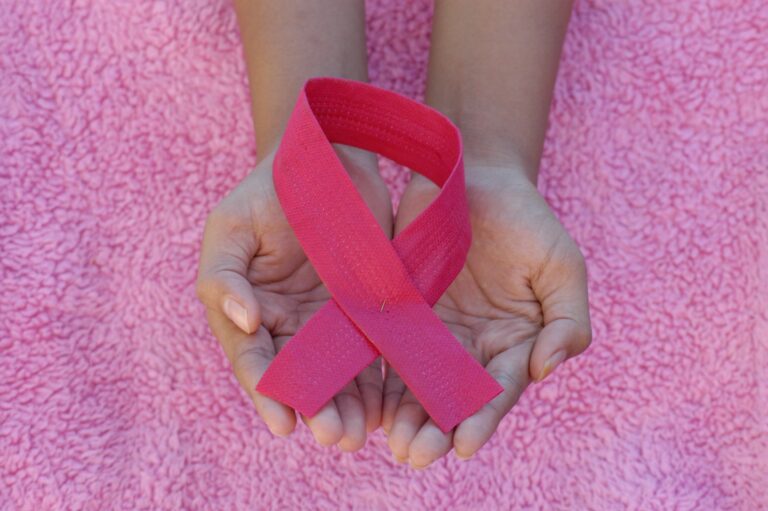
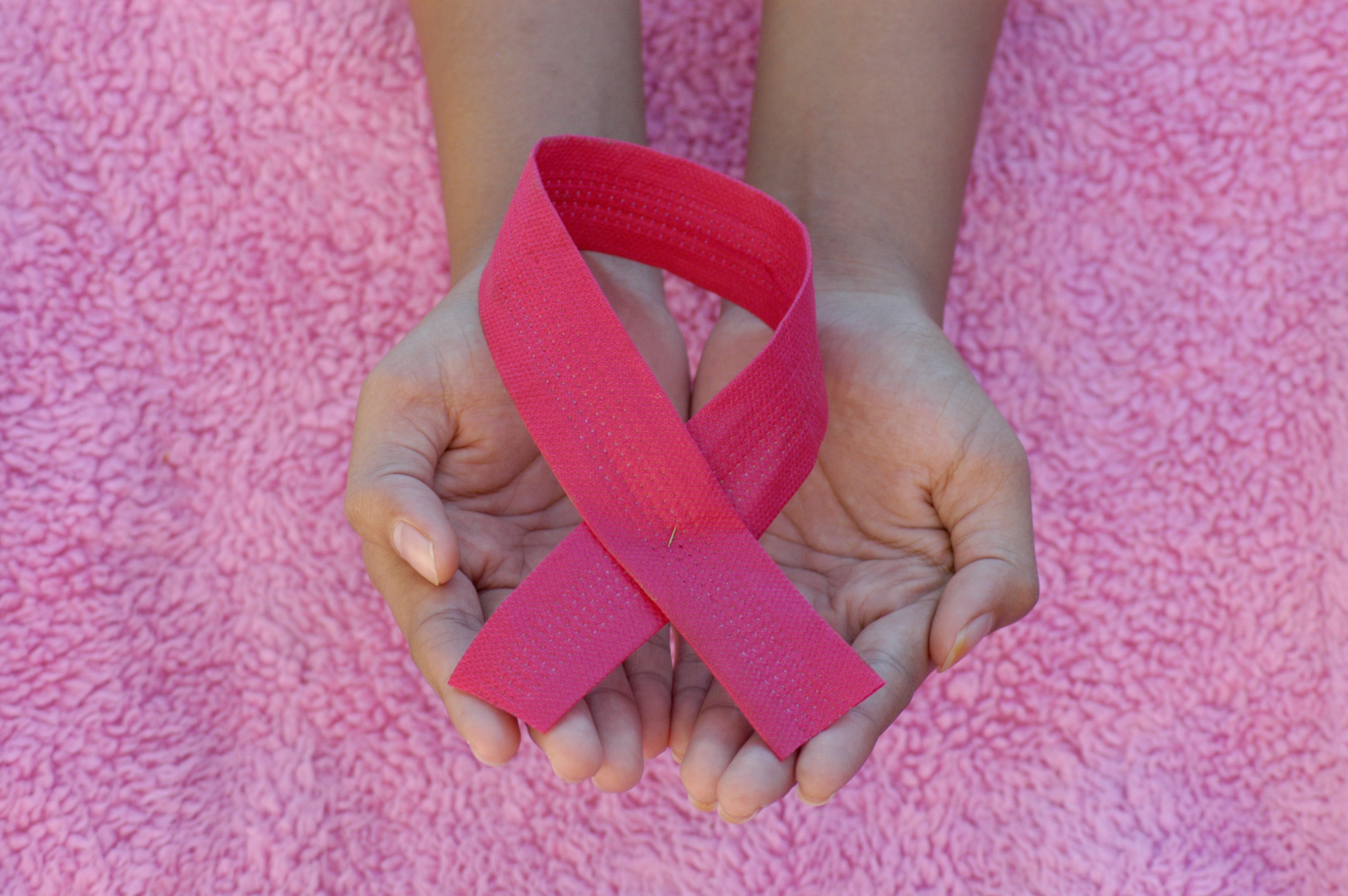
Breast Cancer Awareness Month.

0

Breast Cancer Awareness Month is an important time to shine a spotlight on a disease that affects millions of people worldwide. This month-long campaign aims to educate and empower individuals about breast cancer, its symptoms, diagnosis, treatment options, prevention strategies, and support for those who have been diagnosed. By raising awareness and understanding, we can all play a role in early detection and saving lives. So let’s dive into the world of breast cancer – knowledge is power when it comes to our health!

What is breast cancer?

Breast cancer is a type of cancer that develops in the cells of the breast. It occurs when abnormal cells begin to multiply and form a tumor. These tumors can be either benign (non-cancerous) or malignant (cancerous).

In some cases, breast cancer may start in the milk ducts, known as ductal carcinoma, while others may originate in the lobules, called lobular carcinoma. There are also less common forms of breast cancer such as inflammatory breast cancer and Paget’s disease.

The exact cause of breast cancer is still unknown, but several risk factors have been identified. These include age (the risk increases with age), family history of breast or ovarian cancers, certain genetic mutations like BRCA1 and BRCA2, early onset menstruation or late menopause, hormone replacement therapy use, obesity, alcohol consumption, and exposure to radiation.

It’s important to note that not all lumps or changes in the breasts are indicative of breast cancer. In fact, most lumps turn out to be benign conditions such as fibrocystic changes or cysts. However, it’s crucial for individuals to pay attention to any persistent changes in their breasts and seek medical evaluation if they notice anything unusual.

Regular self-examinations and mammograms play vital roles in detecting breast cancer at its earliest stages when treatment outcomes are generally more favorable. By understanding what signs to look out for and taking proactive steps towards early detection through screenings and check-ups with healthcare professionals, we can improve our chances of successful treatment if faced with a diagnosis.

What are the symptoms of breast cancer?

Breast cancer is a serious health concern that affects millions of women around the world. It’s crucial to be aware of the symptoms so that early detection and treatment can take place. While every woman may experience different signs, there are common symptoms to watch out for.

One of the most noticeable signs of breast cancer is a lump or thickening in the breast tissue. This may feel different from normal breast tissue and should not be ignored. Other changes to look for include nipple discharge, changes in breast shape or size, and skin dimpling or puckering.

Pain or tenderness in the breasts can also be a symptom, although it is important to note that not all cases of breast pain indicate cancer. Additionally, swollen lymph nodes under the arm could potentially signal an issue.

It’s worth mentioning that some women with breast cancer may not experience any symptoms at all initially. This highlights why regular screenings such as mammograms are essential for early detection.

Remember, experiencing one or more of these symptoms does not necessarily mean you have breast cancer. However, if you notice any changes in your breasts or have concerns about your health, it is always recommended to consult with a healthcare professional for proper evaluation and guidance. Stay proactive about your health and spread awareness within your community!

How is breast cancer diagnosed?

Breast cancer can be a daunting diagnosis, but early detection is key to successful treatment. When it comes to diagnosing breast cancer, there are several methods that healthcare professionals may use.

The first step in diagnosing breast cancer often involves a physical examination of the breasts. During this exam, the doctor will carefully feel for any lumps or abnormalities. They may also check the lymph nodes under your arm for swelling.

If further investigation is needed, imaging tests such as mammograms or ultrasound scans may be ordered. These tests allow doctors to get a closer look at the breast tissue and identify any suspicious areas that require more attention.

In some cases, a biopsy may be necessary to confirm whether or not cancer is present. A biopsy involves taking a small sample of tissue from the affected area and sending it to a laboratory for analysis.

Once all of these diagnostic tools have been used, healthcare providers can determine if breast cancer is present and if so, what stage it is at. This information then helps guide treatment decisions moving forward.

Remember, early detection saves lives! If you notice any changes in your breasts or experience unusual symptoms like nipple discharge or skin dimpling, don’t hesitate to reach out to your doctor for further evaluation. Stay proactive about your health and take charge of your well-being!

What are the treatment options for breast cancer?

Treatment options for breast cancer can vary depending on the stage and type of cancer, as well as individual factors such as age and overall health. The main treatment options include surgery, radiation therapy, chemotherapy, targeted therapy, and hormone therapy.

Surgery is often the first line of treatment for breast cancer. It involves removing the tumor from the breast or removing the entire breast in a procedure called mastectomy. In some cases, lymph nodes may also be removed to determine if the cancer has spread.

Radiation therapy uses high-energy rays to kill cancer cells and shrink tumors. This treatment is typically used after surgery to destroy any remaining cancer cells that may not have been removed during surgery.

Chemotherapy involves using drugs to kill cancer cells throughout the body. It can be given before surgery to shrink tumors or after surgery to kill any remaining cancer cells. Chemotherapy can also be used in advanced stages of breast cancer where it has spread beyond the breasts.

Targeted therapy is a newer approach that specifically targets certain characteristics of cancer cells without affecting normal cells. This type of treatment includes drugs like Herceptin which target specific types of breast cancers that are HER2 positive.

Hormone therapy is used for hormone receptor-positive breast cancers which rely on hormones like estrogen or progesterone for growth. This treatment aims to block or lower hormone levels in order to slow down or stop tumor growth.

It’s important to note that each person’s treatment plan will be tailored specifically for them based on their unique circumstances and medical history.

How can I prevent breast cancer?

Breast cancer is a disease that affects millions of women worldwide. While there are certain risk factors that we cannot control, such as genetics and age, there are steps we can take to reduce our risk and potentially prevent breast cancer from developing.

Maintaining a healthy lifestyle is key in lowering your chances of developing breast cancer. This includes adopting a balanced diet rich in fruits, vegetables, whole grains, and lean proteins. Regular exercise also plays an important role in reducing the risk of breast cancer. Aim for at least 150 minutes of moderate-intensity aerobic activity or 75 minutes of vigorous-intensity activity per week.

Limiting alcohol consumption is another essential aspect of prevention. Studies have consistently shown a link between alcohol consumption and an increased risk of breast cancer. It’s recommended to limit alcoholic beverages to no more than one drink per day.

Being mindful about hormone replacement therapy (HRT) can also help lower your risk. If you’re considering HRT for menopausal symptoms, talk to your doctor about the potential risks and benefits associated with it.

Furthermore, maintaining a healthy weight is crucial in preventing not only breast cancer but various other diseases as well. Excess body weight increases the levels of estrogen in your body, which may contribute to the development of breast cancer.

Regular self-exams and clinical screenings should be a part of every woman’s routine healthcare practices. Familiarize yourself with how your breasts normally look and feel so you can quickly identify any changes or abnormalities.

While these preventive measures cannot guarantee complete protection against breast cancer, they significantly decrease its likelihood. By making these adjustments to our lifestyles and prioritizing early detection through regular screenings, we take proactive steps towards safeguarding our health and raising awareness about this pressing issue affecting women globally.

What should I do if I am diagnosed with breast cancer?

Dealing with a breast cancer diagnosis can be overwhelming and frightening, but it is important to remember that you are not alone. There are steps you can take to empower yourself and make informed decisions about your treatment.

First and foremost, reach out for support. Surrounding yourself with loved ones who can provide emotional support is crucial during this time. Joining a support group or finding online communities of individuals going through similar experiences can also be incredibly helpful.

Next, educate yourself about your options. Consult with multiple healthcare professionals to gather different perspectives on your diagnosis and treatment plan. Being well-informed will enable you to actively participate in decisions regarding your care.

Additionally, consider seeking a second opinion from another medical expert. This will ensure that you have explored all possible avenues before finalizing your treatment plan.

Take care of both your physical and mental well-being throughout the process by practicing self-care activities such as exercise, meditation, or engaging in hobbies that bring you joy.

Don’t hesitate to ask questions along the way. Your healthcare team is there to guide you through every step of the journey and address any concerns or uncertainties you may have.

Remember, each person’s experience with breast cancer is unique; therefore it’s essential to tailor your approach based on what feels right for YOU. Stay positive and focus on taking proactive steps towards healing and recovery.

Conclusion

Conclusion
Breast Cancer Awareness Month is an important time to educate ourselves about this devastating disease and take action to protect our health. By understanding the symptoms of breast cancer and seeking regular screenings, we can increase the chances of early detection and successful treatment. It’s also crucial to adopt a healthy lifestyle that includes regular exercise, a balanced diet, and limiting alcohol consumption.

If you or someone you know is diagnosed with breast cancer, don’t panic. There are various treatment options available, including surgery, radiation therapy, chemotherapy, hormone therapy, and targeted therapy. Consult with healthcare professionals to create a personalized treatment plan tailored to your specific needs.

Remember that prevention is key when it comes to breast cancer.

Lastly but most importantly – support! Breast Cancer Awareness Month serves as an opportunity to show solidarity with those affected by this disease. Be there for friends or family members who may be going through their own battles with breast cancer; offer emotional support or assistance during treatments.

By spreading awareness about breast cancer throughout the year and actively supporting research efforts towards finding new treatments and ultimately a cure for this disease; together we can make strides in defeating breast cancer and creating awareness once and for all!

Remember – Your health matters! Stay informed and take care of yourself!

To learn more about breast cancer prevention strategies or find resources for support visit reputable organizations such as National Breast Cancer Foundation (NBCF) or American Cancer Society (ACS).

Together we can raise awareness,care better for our health,and fight against cancers! Breast Cancer Awareness Month.
8 Ways To Take Care Of Your Hair.

8 Ways To Take Care Of Your Hair

Welcome to our blog, where we are going to reveal the ultimate secrets to fabulous hair! We all know that having beautiful, healthy locks can boost your confidence and make you feel like a million bucks. But with so many products and tips out there, it’s easy to get overwhelmed. That’s why we’ve gathered the top 8 ways to take care of your hair – simple yet effective techniques that will leave you with luscious tresses that turn heads wherever you go. So grab a cup of tea, sit back, and get ready for some hair care wisdom that will have you feeling like a true beauty guru in no time!

Wash your hair regularly

Let’s dive right into the first step for fabulous hair care – washing your hair regularly. We all know that feeling of stepping out of the shower with freshly washed locks, don’t we? It’s like a mini spa treatment for our strands! But how often should you actually be washing your hair?

Well, it really depends on your hair type and lifestyle. If you have oily or fine hair, you may find that you need to wash it every day or every other day to keep it looking fresh. On the other hand, if you have dry or curly hair, you might be able to get away with washing it less frequently – maybe two to three times a week.

When it comes to choosing a shampoo, opt for one that is suited to your specific needs. Look for products that are free from harsh chemicals and sulfates, as these can strip your hair of its natural oils and leave it feeling dry and brittle.

And don’t forget about conditioner! This step is crucial for keeping your locks hydrated and smooth. Apply conditioner from mid-lengths to ends, focusing on any areas prone to dryness or damage.

Remember, regular washing helps remove dirt, excess oil, and product buildup from the scalp – all factors that can contribute to lackluster locks. So make sure to give your mane some love in the shower!

Stay tuned as we reveal more tips on how to take care of your beautiful tresses!

Protect your hair from the sun

Protecting your hair from the sun is just as important as protecting your skin. The harmful UV rays can damage your hair, leaving it dry, brittle, and prone to breakage. To keep your locks safe from the sun’s harsh effects, here are a few simple tips:

1. Wear a hat: When you’re out in the sun for long periods, wearing a wide-brimmed hat can provide much-needed shade and protect both your scalp and strands from direct sunlight.

2. Use SPF-infused products: Just like you wouldn’t step outside without applying sunscreen on your skin, don’t forget to shield your hair with SPF-infused products. Look for leave-in conditioners or sprays that offer UV protection.

3. Limit exposure during peak hours: Try to avoid being exposed to the sun between 10 am and 4 pm when the UV rays are strongest. If possible, seek shade or stay indoors during these hours.

4. Tie up your hair: Keeping your hair tied up in a loose bun or braid can add an extra layer of protection by minimizing direct exposure to sunlight.

Remember that protecting your tresses from the sun should be part of your regular hair care routine – not just something you do occasionally! By taking these steps, you’ll help maintain healthy-looking locks all year round while preventing any potential damage caused by those powerful rays!

Use the right shampoo and conditioner

Choosing the right shampoo and conditioner for your hair is essential for maintaining its health and beauty. With so many options available in the market, it can be overwhelming to find the perfect match for your specific needs. But fear not, because I’m here to guide you through this process!

Determine your hair type. Is it oily, dry, or somewhere in between? Understanding your hair’s unique characteristics will help you choose products that address its specific needs.

Next, look out for ingredients that are beneficial for your hair type. For example, if you have dry or damaged hair, opt for products containing moisturizing agents like argan oil or shea butter. If you have oily hair, go for a clarifying shampoo that helps control excess oil production.

Consider any additional concerns you may have about your scalp or strands. Are you dealing with dandruff? Look for shampoos with ingredients like zinc pyrithione or tea tree oil to combat flakes and itchiness.

Don’t forget to read reviews and seek recommendations from trusted sources! Hearing others’ experiences can give valuable insights into how well a particular product works.

Remember that finding the right shampoo and conditioner may involve some trial and error. What works wonders on one person’s locks may not deliver the same results on yours. Be patient and keep experimenting until you find the perfect match!

Taking care of your precious tresses starts with choosing the right products tailored to their unique needs. So take time to research, explore different options, and eventually discover a shampoo and conditioner duo that leaves your hair looking fabulous every day!

Don’t overdo it with styling products

When it comes to styling our hair, many of us reach for a plethora of products in an attempt to achieve the perfect look. But while using styling products can help us create amazing hairstyles, it’s important not to overdo it. Excessive use of these products can actually do more harm than good.

Using too much product can weigh down your hair and make it appear greasy or flat. It can also cause build-up on your scalp, leading to itchiness and dandruff. Additionally, certain ingredients in styling products can strip your hair of its natural oils, leaving it dry and brittle.

To avoid these issues, opt for lightweight and non-greasy formulas that won’t weigh your hair down. Use just enough product to achieve the desired effect without going overboard. Remember that less is often more!

Furthermore, try to limit the number of different styling products you use at once. Mixing too many types of products together could result in a sticky mess that is difficult to wash out.

Always make sure to thoroughly rinse out any residue from styling products when washing your hair. Leaving product buildup on your strands for extended periods can lead to dullness and lackluster locks.

By being mindful of how much styling product we use and choosing high-quality options with nourishing ingredients, we can keep our hair healthy and stylish without going overboard!

Get regular trims

Get regular trims
Regular trims are essential for maintaining healthy and beautiful hair. While it may seem counterintuitive to cut your hair when you’re trying to grow it out, getting regular trims actually promotes growth in the long run. When split ends aren’t addressed, they can travel up the hair shaft and cause further damage. By trimming off these damaged ends, you’ll prevent breakage and allow your hair to grow stronger.

It’s recommended to get a trim every 6-8 weeks, but this can vary depending on the individual’s hair type and goals. If you’re trying to maintain a specific length or style, scheduling regular appointments with your hairstylist is key.

During your trim appointment, discuss any concerns or goals you have for your hair with your stylist. They will be able to assess its condition and make recommendations based on what will work best for you.

By keeping up with regular trims, not only will you maintain healthier-looking locks but also prevent potential issues down the road. So don’t skip those salon visits – they’re an important part of any effective hair care routine!

Avoid using heat on your hair

Avoid using heat on your hair

We all love a good blowout or sleek straight hair, but excessive heat can be damaging to our locks. Heat styling tools like flat irons, curling irons, and blow dryers can strip away the natural moisture from your hair, leaving it dry and brittle. To maintain the health of your hair, it’s important to minimize heat usage.

One way to reduce the need for heat is by embracing air-drying. After washing your hair, gently squeeze out excess water with a towel and let it dry naturally. If you’re in a rush and need to speed up the drying process, opt for a low-heat setting on your blow dryer or use a diffuser attachment.

Another alternative is to experiment with no-heat hairstyles. Braid your damp hair before bed and wake up with beautiful waves in the morning. Or try using foam rollers or flexi rods for overnight curls without any damage.

When you do use heat styling tools, always apply a heat protectant spray beforehand. This will create a barrier between the tool and your strands, minimizing potential damage.

Remember that less is more when it comes to using hot tools on your hair. Limit their use as much as possible and give your tresses some time off from constant styling.

By reducing heat exposure and incorporating healthier alternatives into our routines, we can keep our locks looking luscious while maintaining their overall health!

So next time you reach for that curling iron or blow dryer, think twice about how often you’re subjecting your precious strands to high temperatures!

Be gentle with wet hair

Be Gentle with Wet Hair

When it comes to hair care, one important aspect that often gets overlooked is how we handle our wet hair. Wet hair is more fragile and prone to damage, so it’s crucial to be extra gentle during this time. Here are a few tips on how to take care of your wet locks:

Avoid rough towel drying. Instead of vigorously rubbing your hair with a towel, gently squeeze out the excess water using a soft microfiber towel or an old t-shirt. This will help prevent breakage and reduce frizz.

Detangle your strands with care. Use a wide-toothed comb or a brush specifically designed for wet hair to gently work through any knots or tangles starting from the ends and moving upward. Avoid yanking or pulling on the hair as this can lead to breakage.

Avoid tight hairstyles when your hair is still wet. Pulling back damp hair tightly into ponytails or buns can cause stress on the follicles and result in weakened strands over time.

Let your hair air dry whenever possible instead of relying solely on heat styling tools like blow dryers or straighteners. Excessive heat can strip away moisture from your already vulnerable wet strands.

By being gentle with your wet hair and following these simple tips, you’ll ensure that you’re taking proper care of your precious locks even when they’re at their most delicate state!

Conclusion

Conclusion

Taking care of your hair is essential for maintaining its health and beauty. By following these eight simple tips, you can ensure that your hair stays strong, shiny, and vibrant.

Regularly washing your hair with the right shampoo and conditioner will keep it clean without stripping away natural oils. Protecting your hair from the harmful effects of the sun’s rays will prevent damage and dryness. Avoid overusing styling products to prevent build-up and potential damage.

Getting regular trims will help eliminate split ends and promote healthy growth. Minimizing heat usage on your hair will prevent unnecessary damage. Being gentle with wet hair by using a wide-toothed comb or a soft towel will minimize breakage.

Incorporating these practices into your daily routine will make a noticeable difference in the overall condition of your locks. Remember to be patient as it takes time for results to show, but with consistency, you’ll achieve beautiful, lustrous strands.

So start implementing these tips today and give yourself the gift of gorgeous, well-cared-for hair!

4 Ways To Reduce Your Risk of Breast Cancer.

0

elcome to our blog post on reducing your risk of breast cancer! When it comes to maintaining good health, prevention is always the best medicine. Breast cancer is a serious concern for women around the world, but there are steps you can take today to minimize your risk. In this article, we will explore four key strategies that can help you lower your chances of developing breast cancer. From adopting a healthy diet and exercise routine to making smart lifestyle choices, let’s empower ourselves with knowledge and action. So grab a cup of tea and let’s dive in!

Eat a healthy diet

When it comes to reducing your risk of breast cancer, one of the most important steps you can take is to eat a healthy diet. A balanced and nutritious diet can provide your body with the essential nutrients it needs to maintain optimal health and lower your risk of developing this devastating disease.

So what exactly does a healthy diet for breast cancer prevention look like? First and foremost, it should be rich in fruits and vegetables. These colorful foods are packed with antioxidants that help protect your cells from damage and reduce inflammation in the body. Aim for at least five servings of fruits and vegetables each day, choosing a variety of types to ensure you’re getting a wide range of nutrients.

In addition to fruits and veggies, include whole grains in your daily meals. Whole grains such as brown rice, quinoa, and whole wheat bread contain fiber, which aids digestion and helps regulate blood sugar levels. They also provide important vitamins, minerals, and phytochemicals that support overall health.

Protein is another crucial component of a healthy diet. Include lean sources such as poultry, fish, beans, tofu or nuts in your meals to ensure you’re getting enough protein without excess saturated fat or cholesterol. Omega-3 fatty acids found in fatty fish like salmon or chia seeds have also been shown to have anti-cancer properties.

Lastly but importantly , don’t forget about hydration! Drinking plenty of water throughout the day keeps your body hydrated while flushing out toxins from your system.

By incorporating these dietary guidelines into your daily routine,you’ll not only reduce yout risk og breast cancer,but also improve overall health.

Illustrate by making small changes at first,such as swapping out processed snacks for fresh fruit,and gradually introducing more nutrient-rich foods into yout meals.

With time,your taste buds will adapt,and you’ll find yourself craving healthier options naturally .

Remember,a healthy diet is just one piece if the puzzle when it comes yo preventing breast cancer.

Get regular exercise

Regular exercise is not only beneficial for maintaining a healthy weight and improving cardiovascular health, but it can also play a crucial role in reducing the risk of breast cancer. Engaging in physical activity on a regular basis has been shown to have numerous positive effects on the body.

When you exercise, your body releases endorphins, which are natural mood boosters. This can help reduce stress levels and improve overall mental well-being. It’s important to find an exercise routine that you enjoy so that you’re more likely to stick with it long-term. Whether it’s going for a run, taking a dance class, or practicing yoga, finding activities that bring you joy will make incorporating exercise into your daily routine much easier.

Not only does regular exercise have psychological benefits, but it also helps regulate hormone levels in the body. Higher levels of estrogen have been linked to an increased risk of breast cancer. Exercise can help lower estrogen levels by decreasing fat tissue in the body and increasing lean muscle mass.

Furthermore, engaging in physical activity boosts the immune system and improves circulation throughout the body. A strong immune system plays a significant role in fighting off cancer cells and preventing their growth.

Incorporating regular exercise into your lifestyle doesn’t mean spending hours at the gym every day; even small amounts of physical activity can make a difference. Start by setting achievable goals such as taking short walks during breaks at work or trying out new fitness classes with friends.

Remember that consistency is key when it comes to reaping the benefits of regular exercise for reducing breast cancer risk. Find activities that you enjoy and make them part of your daily routine – not just for your physical health but also for your overall well-being!

Limit alcohol consumption

Limit Alcohol Consumption

Alcohol has become a common part of our social gatherings and relaxation rituals. However, excessive alcohol consumption can have detrimental effects on our health, including an increased risk of breast cancer. While it may be tempting to indulge in a glass of wine or a cocktail after a long day, it is important to be mindful of the potential risks.

One way to reduce your risk of breast cancer is by limiting your alcohol intake. The American Cancer Society recommends that women should consume no more than one alcoholic drink per day. This means avoiding binge drinking and keeping track of how much you are consuming on a regular basis.

Alcohol contains ethanol, which can increase levels of estrogen in the body. Higher levels of estrogen have been linked to an increased risk of breast cancer. By cutting back on alcohol consumption, you can help maintain hormonal balance and decrease your chances of developing this disease.

Additionally, alcohol can weaken the immune system and make it harder for your body to fight off cancer cells. It also acts as a carcinogen, damaging DNA and increasing the likelihood of cell mutations that lead to cancer development.

It’s important to remember that moderation is key when it comes to alcohol consumption. If you choose to drink, opt for lower-alcohol options such as light beer or dry wines. And always be aware of how much you are consuming – measure your drinks and pace yourself throughout the evening.

By making small changes in your lifestyle like limiting alcohol consumption, you can take proactive steps towards reducing your risk of breast cancer and promoting overall health.

Don’t smoke

Don’t Smoke

Smoking is a habit that can have devastating effects on your health, including increasing your risk of developing breast cancer. The chemicals found in cigarettes can damage the DNA in cells and lead to the development of cancerous tumors. If you’re currently a smoker, quitting is one of the best things you can do for your overall health and well-being.

Smoking not only increases your risk of breast cancer but also affects the effectiveness of treatment if you are diagnosed with it. Studies have shown that smokers tend to have poorer outcomes when undergoing surgery or radiation therapy compared to non-smokers. By quitting smoking, you give yourself a better chance at successfully fighting off this disease.

Exposure to secondhand smoke has also been linked to an increased risk of breast cancer. If you live with someone who smokes or spend time in environments where smoking is common, take steps to limit your exposure as much as possible.

Remember that quitting smoking is not easy and may require support from healthcare professionals or support groups. There are various methods available such as nicotine replacement therapies or medications that can assist in overcoming cravings and withdrawal symptoms.

In conclusion,

To reduce your risk of developing breast cancer, it’s crucial to avoid tobacco products altogether. Quitting smoking will not only benefit your overall health but also significantly decrease the likelihood of facing this life-altering illness. Take action today by reaching out for help and making a commitment towards a smoke-free future!

Conclusion

Conclusion

Reducing your risk of breast cancer is a crucial step in maintaining your overall health. By making simple lifestyle changes, such as adopting a healthy diet, getting regular exercise, limiting alcohol consumption, and avoiding smoking, you can significantly lower your chances of developing this devastating disease.

Remember that prevention is always better than cure. By taking proactive measures to reduce your risk factors for breast cancer, you are not only safeguarding yourself but also setting an example for others to follow. Spread awareness about the importance of a healthy lifestyle and make it a priority in your life.

Make informed choices when it comes to what you eat and drink. Opt for fresh fruits and vegetables while minimizing processed foods. Engage in physical activity regularly to maintain a healthy weight and boost your immune system. Keep alcohol consumption within recommended limits or consider eliminating it altogether. And finally, say no to smoking – the benefits will extend far beyond reducing your risk of breast cancer.

While these steps cannot guarantee complete protection against breast cancer, they do play a significant role in reducing the likelihood of its occurrence. Remember that early detection through regular screenings is equally important, so be sure to schedule routine check-ups with your healthcare provider.

By taking control over these aspects of our lives and implementing positive changes today, we can pave the way towards a healthier future free from the shadows of breast cancer.

Stay empowered! Take charge of your health! Together let’s fight against breast cancer!

Note: While this article focuses on reducing the risk factors associated with breast cancer through lifestyle changes alone, it’s important to note that genetic predisposition also plays a role in certain cases. It’s recommended that individuals with family history or other potential risk factors consult their healthcare providers for personalized advice regarding screening and preventive measures specific to their situation

5 Curly Hair Care Tips.

0

Welcome to our blog post on 5 Curly Hair Care Tips! If you’re blessed with curly locks, then you know that they can be both a blessing and a challenge. While curly hair is gorgeous and unique, it also requires special care to keep it looking its best. Whether you have loose waves or tight coils, we’ve got some expert tips to help you embrace your natural beauty and rock those curls with confidence. From understanding the different types of curly hair to finding the right products and styling techniques, we’ve got all the information you need to master your mane. So let’s dive in and discover how to unlock the full potential of your fabulous curls!

The Different Types of Curly Hair

Curly hair comes in a variety of types, each with its own unique characteristics. Understanding your hair type is key to finding the best care and styling routine for your curls. Let’s take a closer look at the different types of curly hair:

1. Loose Waves: This type of curl has larger S-shaped waves that are more relaxed and have less definition. It tends to be on the finer side and can easily become weighed down by heavy products.

2. Botticelli Curls: Named after the famous Italian painter, these curls are characterized by their springy, bouncy texture. They typically form loose ringlets or spirals and tend to be thicker and more voluminous.

3. Corkscrew Curls: These tight coils resemble corkscrews or springs, forming small ringlets all over the head. This hair type is prone to frizz but can also hold styles incredibly well.

4. Kinky Coils: Also known as afro-textured or Type 4 hair, this tightly coiled pattern forms dense clusters of tiny curls close to the scalp. It requires extra moisture and gentle handling to prevent breakage.

5.Combination Curls: Some individuals may have multiple curl patterns throughout their head, like looser curls in one area and tighter coils in another.

This makes it important to adjust products accordingly for each section.

No matter what type of curly hair you have, embracing your natural texture is all about finding what works best for you! Keep reading for tips on how to choose the right products specifically formulated for curly hair.

Curly Hair Products

Curly hair can be both a blessing and a challenge. While it’s true that curly hair is full of personality and adds flair to your overall look, it also requires special care and attention. One way to ensure your curls stay healthy and vibrant is by using the right products specifically designed for curly hair.

When shopping for curly hair products, look for ingredients that provide moisture without weighing down your curls. Avoid sulfates and alcohols as they can strip away natural oils, leading to dryness and frizz. Instead, opt for gentle cleansers that won’t disrupt the delicate balance of your curls.

Conditioning is key when it comes to maintaining healthy curls. Look for conditioners infused with nourishing ingredients like shea butter or argan oil. These help moisturize and soften your locks, making them more manageable.

In addition to shampooing and conditioning, incorporating leave-in treatments into your routine can work wonders for keeping your curls hydrated throughout the day. Leave-in conditioners or curl creams help define each individual curl while minimizing frizz.

Styling products like gels or mousses are great tools for enhancing your natural curl pattern or creating different styles such as bouncy ringlets or voluminous waves. Experiment with different formulas until you find one that suits both the texture of your hair and desired style.

Remember not to overload on product – a little goes a long way! Too much product can weigh down fine strands while leaving thick coils feeling greasy. Finding the right balance will allow you to achieve beautiful, defined curls without sacrificing volume or movement.

Investing in high-quality curly hair products tailored specifically to meet the needs of your unique curl type will make all the difference in achieving luscious locks that turn heads wherever you go! So embrace those gorgeous tresses, treat them well with the right products, and let those fabulous curls shine!

How to Style Curly Hair

Curly hair can be both a blessing and a challenge when it comes to styling. With the right techniques and products, you can enhance your natural curls and create stunning hairstyles that will turn heads!

Start by using a moisturizing shampoo and conditioner specifically designed for curly hair. This will help hydrate your locks and combat frizz. Avoid brushing your hair when it’s dry as this can disrupt the curl pattern – instead, use a wide-toothed comb or your fingers to detangle while in the shower.

Once out of the shower, apply a leave-in conditioner or curl enhancer to define your curls. Scrunching upwards from the bottom of your strands will encourage them to form beautifully shaped coils.

For extra volume, try diffusing your hair with a blow dryer on low heat. Tilt your head upside down while drying for added lift at the roots.

To switch up your look, experiment with different hairstyles such as braids or buns. These styles not only keep unruly curls in place but also add an elegant touch to any outfit.

And finally, don’t forget to protect those beautiful curls overnight! Invest in silk or satin pillowcases that reduce friction between your hair and fabric – this helps prevent breakage and tangles.

Remember, everyone’s curly hair is unique, so don’t be afraid to experiment with different techniques until you find what works best for you! Embrace those gorgeous curls and let them shine!

Curly Hair Tips

Curly Hair Tips:

1. Embrace your natural texture:
One of the best tips for curly hair is to embrace its natural texture. Instead of trying to fight against it, work with your curls and find hairstyles that enhance their beauty. Embracing your natural texture can also help prevent damage from excessive heat styling.

2. Use a wide-toothed comb or fingers to detangle:
Curly hair tends to be more prone to tangles, so it’s important to use gentle tools when detangling. Opt for a wide-toothed comb or even just using your fingers to gently separate knots without causing breakage or frizz.

3. Moisturize regularly:
Curly hair tends to be drier than straight hair due to its structure, so keeping it moisturized is crucial. Look for hydrating products specifically designed for curly hair, such as leave-in conditioners or oils, and incorporate them into your regular hair care routine.

4. Avoid overwashing:
Washing curly hair too frequently can strip away essential oils and lead to dryness and frizz. Instead, try washing every 2-3 days or even less frequently if possible. In between washes, you can refresh your curls by spritzing them with water mixed with a little conditioner.

5. Protect while sleeping:
To preserve your curls overnight, consider investing in a silk or satin pillowcase or tying your hair up in a loose pineapple-style bun on top of your head before bed. This helps reduce friction and prevents unnecessary frizz while you sleep.

By following these curly hair tips and incorporating them into your routine, you’ll be able to maintain healthy and beautiful curls that are the envy of others!

Conclusion

Conclusion

Taking care of curly hair can be a challenge, but with the right tips and products, you can embrace and enhance your natural curls. By understanding the different types of curly hair and using suitable products, you can keep your hair healthy, hydrated, and full of life.

Remember to listen to your curls and give them the love they deserve. From finding the perfect shampoo and conditioner to incorporating a regular deep conditioning routine, these small changes in your hair care regimen can make a significant difference.

Styling curly hair doesn’t have to be complicated either. Whether you prefer air-drying or diffusing, embracing natural textures or trying out new hairstyles, there are endless possibilities when it comes to styling those beautiful curls.

Don’t forget about some essential curly hair tips like avoiding heat damage by limiting heat styling tools usage and protecting your curls overnight with satin or silk pillowcases. Also remember that hydration is key – both from within by drinking plenty of water and from external sources through moisturizing products.

By following these five curly hair care tips – understanding your curl type, using appropriate products for nourishment, discovering various styling techniques that work for you,and adopting additional hygiene practices– you will be well on your way to achieving healthier-looking curls.

So go ahead – rock those fabulous locks with confidence! Let the world see just how stunning naturally curly hair can be. Embrace its beauty while maintaining proper hygiene and staying on top of fashion trends!

Beauty meets hygiene meets fashion – now that’s what we call a winning combination for all our lovely ladies with gorgeous curly locks!

8 Ways To Take Care Of Your Hair.

0

Welcome to the world of beautiful hair! It’s time to unlock the secrets to healthy, luscious locks that will make heads turn. We all know that our hair is our crowning glory, and taking care of it should be a top priority. So whether you’re a fashionista looking for the latest trends or simply someone who wants to maintain their natural beauty, this blog post is here to guide you on your journey towards fabulous hair. Get ready to discover 8 essential tips and tricks that will leave your tresses shining with envy-inducing perfection. Let’s dive in and show your hair some well-deserved love!

The Importance of Hair Care

Your hair is more than just strands of protein sprouting from your scalp. It serves as a reflection of your overall health and can greatly impact your self-confidence. Taking care of your hair is not just about looking good; it’s about nourishing and protecting each strand to maintain its strength and vitality.

Regular hair care routines are essential for preventing damage, split ends, and breakage. By incorporating healthy practices into your daily routine, you can ensure that your hair remains resilient against the harsh elements it faces on a daily basis.

Furthermore, proper hair care promotes growth and helps prevent conditions such as dandruff or an itchy scalp. When you take the time to invest in nurturing your locks, you’ll notice a visible difference in the texture, shine, and overall appearance of your mane.

Additionally, maintaining healthy hair allows for endless styling possibilities. Whether you prefer sleek straight styles or voluminous curls, having strong and well-cared-for tresses provides a solid foundation for any hairstyle you desire.

Remember that everyone’s hair type is unique and requires specific attention. Understanding what works best for you will enable you to tailor your hair care routine accordingly – whether it be using specific products or seeking professional treatments.

So why wait? Embrace the importance of hair care today! Your locks will thank you by radiating with beauty and confidence like never before.

What Causes Hair Damage?

What Causes Hair Damage?

Our hair goes through a lot on a daily basis, and sometimes we don’t even realize the damage we’re causing. From heat styling to harsh chemicals, there are many factors that can contribute to hair damage.

One of the most common causes is excessive heat styling. Using hot tools like straighteners and curling irons without proper care can lead to dry and brittle hair. The high temperatures strip away the natural moisture in our strands, leaving them weak and prone to breakage.

Chemical treatments such as coloring or perming can also take a toll on our hair. These processes involve harsh chemicals that penetrate the cuticle layer, which can weaken and damage the strand structure over time.

Environmental factors play a role too. Exposure to UV rays from the sun, pollution, and extreme weather conditions can all cause damage to our locks. Sun exposure can fade color-treated hair while pollutants in the air can make it appear dull and lifeless.

Poor nutrition is another culprit when it comes to damaged hair. A lack of essential vitamins and minerals deprives your strands of vital nutrients needed for healthy growth. A balanced diet rich in protein, iron, omega-3 fatty acids, and vitamins A,C,E helps maintain strong and vibrant tresses.

Over-washing or using aggressive shampoos with sulfates can strip away natural oils that protect our strands from damage. It’s important to find a gentle shampoo formulated for your specific hair type.

Now that you know what causes hair damage let’s move on how you prevent it!

How to Prevent Hair Damage

Preventing hair damage is crucial for maintaining healthy and beautiful locks. By following a few simple steps, you can keep your hair strong and vibrant.

Be gentle when handling wet hair. Wet strands are more vulnerable to breakage, so avoid vigorous towel drying or brushing. Instead, gently pat dry with a soft towel and use a wide-toothed comb to detangle.

Protect your hair from excessive heat styling. Heat tools like flat irons and curling wands can cause significant damage if used too frequently or at high temperatures. Use heat protectant sprays before styling to create a barrier between your hair and the hot tool.

Avoid over-washing your hair. Excessive shampooing can strip away natural oils that keep your strands moisturized and protected. Aim to wash every other day or as needed based on your scalp’s oil production.

Fourthly, choose the right products for your specific hair type. Look for shampoos and conditioners that address any concerns you may have such as dryness or frizz.

Incorporate regular deep conditioning treatments into your routine to nourish and strengthen your strands from within.

By implementing these preventive measures into your hair care routine, you’ll be well on your way to maintaining healthy tresses!

The Best Products for Healthy Hair

The Best Products for Healthy Hair

When it comes to maintaining healthy and beautiful hair, using the right products is essential. But with so many options available in the market, it can be overwhelming to choose the best ones for your specific needs. Don’t worry, we’ve got you covered! Here are some of the top products that will help keep your locks looking luscious.

1. Shampoo: Look for a shampoo that suits your hair type – whether it’s oily, dry, or damaged. Opt for sulfate-free formulas to prevent stripping away natural oils and causing further damage.

2. Conditioner: Invest in a good quality conditioner that nourishes and hydrates your hair. Choose one with ingredients like argan oil or shea butter to promote softness and smoothness.

3. Hair Mask: Treat yourself to a luxurious hair mask once a week to revive tired strands and provide deep conditioning. Look for masks enriched with proteins and vitamins for added strength.

4. Leave-in Conditioner: A leave-in conditioner is perfect for those days when your hair needs an extra boost of moisture without weighing it down.

5. Heat Protectant Spray: If you regularly use heat styling tools like blow dryers or straighteners, don’t forget to apply a heat protectant spray beforehand to minimize damage caused by high temperatures.

6. Serum/Oil: Add shine and tame frizz with a serum or oil specially formulated for hair care purposes. These products also help protect against environmental aggressors like pollution.

7. Scalp Treatment: A healthy scalp is crucial for overall hair health. Use targeted treatments like exfoliating scrubs or soothing serums to maintain scalp balance and stimulate growth.

8.Hair Vitamins/Supplements:Eat nutritious diet rich in vitamins,minerals which helps strengthen from inside out.

And if required consult dermatologist expertise advice on supplements rich in biotin,collagen,zinc etc

Remember, finding the right products may require some trial and error. Pay attention to your hair

Home Remedies for Healthy Hair

Home Remedies for Healthy Hair

When it comes to taking care of your hair, sometimes the best solutions can be found right in your own kitchen! Home remedies are a natural and affordable way to nurture your locks and keep them looking their best. Here are some simple yet effective home remedies for healthy hair.

1. Coconut Oil: Known for its moisturizing properties, coconut oil is a go-to remedy for dry and damaged hair. Apply warm coconut oil to your scalp and strands, leave it on overnight, then rinse thoroughly in the morning.

2. Aloe Vera Gel: Aloe vera gel not only soothes sunburns but also promotes hair growth and reduces dandruff. Extract fresh gel from an aloe vera leaf or use store-bought gel. Massage onto your scalp, leave it on for 30 minutes, then wash off with a gentle shampoo.

3. Apple Cider Vinegar Rinse: Mix equal parts of apple cider vinegar and water as a final rinse after you shampoo your hair. This helps balance the pH levels of your scalp, removes product buildup, and adds shine to dull hair.

4. Avocado Mask: Mash one ripe avocado with two tablespoons of olive oil until you have a smooth paste. Apply this mask from roots to ends and let it sit for 20-30 minutes before rinsing out thoroughly.

5. Onion Juice: It may sound strange but onion juice is known to boost hair growth by improving blood circulation in the scalp. Blend an onion into puree form using a blender or juicer, strain out the juice, apply directly onto your scalp and leave it on overnight before washing off.

6.Chamomile Tea Rinse: Brew chamomile tea bags in hot water until cool; use this as a final rinse after shampooing to add shine highlights especially if you have light-colored or blonde hair.

7.Egg Yolk Mask : Separate egg yolks from the whites, beat them well and apply to your hair. Leave it on

Professional Treatments for Healthy Hair

Professional Treatments for Healthy Hair

When it comes to maintaining healthy hair, sometimes we need a little extra help. That’s where professional treatments come in. These specialized services can target specific hair concerns and provide long-lasting results that you may not be able to achieve on your own.

One popular treatment is the keratin treatment, which helps to smooth and straighten frizzy or damaged hair. This process involves applying a keratin-infused solution to the hair and then using heat to seal it in. The result? Silky, shiny locks that are more manageable and resistant to humidity.

Another option is a deep conditioning treatment. This intensive moisturizing therapy penetrates deep into the hair shaft, nourishing dry and brittle strands from within. It can help restore moisture balance, repair damage caused by styling tools or chemical treatments, and leave your hair feeling soft and revitalized.

If you’re struggling with thinning or fine hair, you might consider getting a scalp treatment. These treatments stimulate blood circulation in the scalp, promoting healthier hair growth while also improving overall scalp health. Some options include scalp massages, laser therapy, or even microneedling.

For those looking for an effective way to combat dandruff or an itchy scalp, professional anti-dandruff treatments can provide relief. These targeted therapies use specialized shampoos or solutions containing ingredients like zinc pyrithione or ketoconazole to control flaking and soothe irritation.

Whatever your specific concern may be – whether it’s dryness, damage, thinning hair or dandruff – there is likely a professional treatment available that can address your needs effectively. Consulting with a hairstylist or trichologist will help determine which one is best suited for you based on your unique situation.

Remember though: these professional treatments should supplement rather than replace good at-home care practices such as using quality products suitable for your specific needs; avoiding excessive heat styling; protecting your hair from the sun, wind, and chlorine; and maintaining a healthy diet

How to Style Damaged Hair

How to Style Damaged Hair

Styling damaged hair can be a challenge, but with the right techniques and products, you can still achieve gorgeous hairstyles. Here are some tips to help you style your damaged hair:

1. Embrace heat-free styling: Heat tools like straighteners and curling irons can further damage your hair. Opt for heat-free styling methods such as air-drying or using foam rollers.

2. Use protective products: Before applying any heat or styling products, make sure to use a heat protectant spray or serum. This will create a barrier between your hair and the hot tools, minimizing damage.

3. Avoid tight hairstyles: Pulling your damaged hair into tight ponytails or braids can put stress on already weakened strands. Instead, opt for loose hairstyles that don’t pull on your hair too tightly.

4. Be gentle when brushing: Always use a wide-toothed comb or a brush specifically designed for detangling wet hair to prevent breakage.

5. Experiment with updos: Updos are great for hiding damaged ends while also looking chic and stylish.

Remember, it’s important to treat your damaged hair with care and avoid excessive manipulation or harsh chemicals that could worsen the condition of your locks.

Conclusion

Conclusion

Taking care of your hair is essential for maintaining its health and beauty. By understanding the causes of hair damage and implementing preventive measures, you can protect your locks from harm. Using high-quality hair care products suited to your specific needs will further enhance the health of your hair.

In addition to commercial products, there are various home remedies that can help nourish and strengthen your tresses naturally. Incorporating professional treatments into your routine can provide an extra boost in replenishing damaged strands.

Styling damaged hair requires some extra precautions to prevent further harm. By using heat protectants, avoiding excessive heat styling, and opting for gentle hairstyling techniques, you can minimize the risk of additional damage.

Remember, beautiful and healthy hair is a result of consistent care and attention. Make it a habit to follow these tips regularly to maintain luscious locks that radiate beauty and confidence.

So go ahead, embrace self-care by prioritizing the well-being of your precious mane! With proper maintenance, love, and attention, you’ll enjoy flaunting gorgeous hair that turns heads wherever you go.

Take charge today – start nurturing every strand with love!

And don’t forget: Your fabulous fashion style deserves nothing less than stunningly beautiful tresses as well.

How To Choose The Right Facial Care Products.

Welcome to our ultimate guide on how to choose the right facial care products for your skin! Taking care of your skin is essential for maintaining a healthy and vibrant complexion. With so many skincare products available in the market, it can be overwhelming to find the perfect ones that suit your specific needs. But worry not, we’re here to help you navigate through this beauty jungle and make informed decisions while shopping for facial care products.

In this blog post, we’ll walk you through step-by-step on how to determine your skin type, what ingredients to look out for based on your unique needs, and recommend some fantastic facial care products tailored specifically for each skin type. So grab a cup of tea, sit back, and get ready to unlock the secrets of glowing and radiant skin!

Remember: shopping for skincare should be fun and exciting as you discover new ways to pamper yourself while also taking care of your health. Let’s dive right in!

How to determine your skin type

Determining your skin type is the crucial first step in creating an effective facial care routine. Understanding your skin’s unique characteristics will help you choose products that specifically cater to its needs. Here are some simple methods to determine your skin type:

1. The Bare-Faced Method: Start by thoroughly cleansing your face with a gentle cleanser and pat it dry. Leave your skin bare, without any moisturizer or product for about an hour. Observe how it feels and looks during this time.

2. Oily Skin Indicators: If your T-zone (forehead, nose, and chin) appears shiny or greasy while the rest of your face remains relatively normal or dry, you likely have oily skin.

3. Dry Skin Indicators: If your entire face feels tight, rough, or flaky, especially after cleansing, chances are you have dry skin.

4. Combination Skin Indicators: Combination skin typically presents with an oily T-zone accompanied by drier cheeks and jawline areas.

5. Normal/ Balanced Skin Indicators: Lucky you! If none of the above descriptions match yours and your complexion appears even-toned without excessive oiliness or dryness issues – congratulations! You likely have normal/balanced skin.

By identifying which category best describes your skin type using these techniques, you can now move on to selecting facial care products suited for addressing its specific concerns and promoting overall health.

What ingredients to look for based on your skin type

Determining the right ingredients for your skin type is crucial in choosing the perfect facial care products. Whether you have oily, dry, or sensitive skin, there are specific ingredients that can address your unique concerns and help improve your complexion.

For those with oily skin, look for products containing salicylic acid or benzoyl peroxide. These ingredients work to unclog pores and reduce excess oil production. They are also effective in combating acne and preventing breakouts.

If you have dry skin, opt for moisturizing ingredients such as hyaluronic acid and glycerin. These humectants attract moisture to the skin, keeping it hydrated and supple. Additionally, look for products with ceramides which help restore the natural barrier function of your skin.

Sensitive skin requires gentle yet soothing ingredients like chamomile extract or aloe vera. These botanical extracts possess anti-inflammatory properties that calm irritation and redness without causing further sensitivity.

Combination skin types may benefit from using products that contain niacinamide or tea tree oil. Niacinamide helps regulate sebum production while tea tree oil has antimicrobial properties that can prevent acne flare-ups.

Always remember to patch test new products on a small area of your skin before applying them all over your face. This will help determine if any ingredient triggers an allergic reaction or irritation.

By understanding the needs of your specific skin type and selecting appropriate skincare ingredients accordingly, you can achieve healthier-looking complexion!

The best facial care products for each skin type

When it comes to choosing the best facial care products for your skin type, understanding what ingredients work well for you is key. Here are some recommendations based on different skin types:

1. Dry Skin: Look for hydrating ingredients like hyaluronic acid and glycerin. These help to replenish moisture in the skin and prevent dryness. Choose a rich moisturizer that provides long-lasting hydration.

2. Oily Skin: Opt for oil-free or lightweight formulas that won’t clog pores. Ingredients like salicylic acid and tea tree oil can help regulate sebum production and reduce acne breakouts.

3. Combination Skin: Focus on finding products that balance both oily and dry areas of your face. Use a gentle cleanser that doesn’t strip away natural oils, followed by a lightweight moisturizer with mattifying properties.

4. Sensitive Skin: Look for products labeled as fragrance-free and hypoallergenic, as these are less likely to cause irritation or allergic reactions. Stick to gentle cleansers and moisturizers with soothing ingredients like chamomile or aloe vera.

5. Aging Skin: Seek out anti-aging ingredients such as retinol, peptides, or vitamin C which can promote collagen production, reduce fine lines, and improve overall skin texture.

Remember, everyone’s skin is unique so it may take some trial-and-error to find the perfect products that work for you! Don’t be afraid to consult with a dermatologist if you need further guidance on selecting facial care products tailored to your specific needs

How to properly use facial care products

Using facial care products correctly is essential in order to maximize their effectiveness and ensure the best results for your skin. Here are some tips on how to properly use these products:

1. Start with a clean face: Before applying any facial care product, make sure your face is thoroughly cleansed. Use a gentle cleanser that suits your skin type to remove dirt, oil, and makeup.

2. Follow the instructions: Each product has its own specific instructions for use. Read them carefully and follow them accordingly. Some may need to be applied once or twice a day, while others may require more frequent application.

3. Use the right amount: Using too much or too little of a product can affect its efficacy. Generally, a small amount is enough for most facial care products such as serums, moisturizers, and masks.

4. Apply evenly: When applying creams or lotions onto your face, distribute them evenly using gentle upward motions. This helps in better absorption and prevents uneven application.

5. Be patient: Give your facial care products time to work their magic before expecting immediate results. Most skincare routines take at least several weeks to show noticeable improvements.

6.

Sunscreen as last step: If using sunscreen as part of your routine (which you should!), apply it as the last step before going outside during the day.

Remember that consistency is key when it comes to seeing positive changes in your skin’s health and appearance!

Tips for a healthy skincare routine

Tips for a Healthy Skincare Routine:

1. Cleanse gently: Start your skincare routine by cleansing your face with a gentle cleanser suitable for your skin type. Avoid harsh soaps or cleansers that can strip away natural oils and cause dryness.

2. Exfoliate regularly: Exfoliation helps to remove dead skin cells, unclog pores, and reveal a brighter complexion. However, it’s important not to overdo it as excessive exfoliation can irritate the skin. Stick to exfoliating once or twice a week using a mild scrub or chemical exfoliant.

3. Hydrate adequately: Moisturizing is key for maintaining healthy skin. Choose a moisturizer that suits your skin type and apply it daily after cleansing and toning. Look for ingredients like hyaluronic acid or ceramides that help lock in moisture.

4. Protect from the sun: Sun protection is crucial in preventing premature aging and reducing the risk of skin cancer. Apply sunscreen with at least SPF 30 every day, even on cloudy days, and reapply every two hours if you’re spending time outdoors.

5.

Cater to specific concerns: If you have specific skincare concerns like acne, hyperpigmentation, or signs of aging, incorporate targeted treatments into your routine such as serums or spot treatments containing ingredients like salicylic acid or retinol.

6.

Get enough sleep: A good night’s sleep allows your body to repair itself, including your skin! Aim for 7-8 hours of quality sleep each night to promote overall health and maintain vibrant-looking skin.

Remember that consistency is key when establishing a healthy skincare routine! Stick to these tips religiously along with choosing high-quality facial care products tailored specifically for your unique needs.

Conclusion

Conclusion

Choosing the right facial care products is essential for maintaining healthy and radiant skin. By understanding your skin type, looking for specific ingredients, and following a proper skincare routine, you can achieve the best results.

Remember to determine your skin type before purchasing any facial care products. This will help you select the most suitable ones that address your specific concerns. Whether you have oily, dry, combination, or sensitive skin, there are products available tailored to your needs.

When shopping for facial care products, pay close attention to the ingredients list. Look for key ingredients that benefit your particular skin type. For example, if you have oily or acne-prone skin, opt for cleansers containing salicylic acid or tea tree oil. If you have dry or sensitive skin, choose moisturizers with hydrating agents like hyaluronic acid.

There are numerous fantastic facial care brands on the market catering to different skin types and concerns. Research reviews and recommendations from trusted sources before making a purchase decision. Some popular brands known for their quality and effectiveness include Cetaphil, Neutrogena Hydro Boost Gel Cream Moisturizer,

To get the most out of your facial care products:

1) Follow a consistent skincare routine: Cleanse twice daily (morning and night), exfoliate once or twice a week (depending on your skin’s tolerance), apply toner after cleansing to balance pH levels,
2) Use sunscreen daily: Protecting your skin from harmful UV rays is crucial in preventing premature aging and other sun-related damage.
3) Avoid overdoing it: Using too many products at once can overwhelm your skin and cause irritation.
4) Be patient: Skincare takes time! Give new products at least four weeks before expecting dramatic results.
5) Listen to Your Skin; It may take some trial-and-error to find what works best for you.

5 Mistakes You’re Making When Washing Your Face.

0

When it comes to skincare, washing your face may seem like a simple and straightforward task. But did you know that there are common mistakes many people make when cleansing their skin? These mistakes can have a significant impact on the health and appearance of your skin. Whether you’re dealing with acne, dryness, or simply want to achieve a radiant complexion, it’s time to reassess your face-washing routine. In this blog post, we’ll explore five mistakes you may be making when washing your face and how they can affect the overall health of your skin. So grab your cleanser and get ready for some valuable tips that will transform your skincare game!

Not using a face cleanser

Using a face cleanser is the foundation of any effective skincare routine. It’s essential for removing dirt, oil, and impurities that accumulate on your skin throughout the day. Yet, surprisingly, many people skip this crucial step or opt for harsh soaps that strip away natural oils.

By not using a face cleanser, you’re depriving your skin of the deep cleansing it needs to stay healthy and clear. Regular soap can be too drying and may disrupt the pH balance of your skin, leading to irritation and breakouts. A proper facial cleanser is specifically formulated to cleanse without compromising your skin’s moisture barrier.

When choosing a face cleanser, look for gentle options that are suitable for your specific skin type – whether you have oily, dry, or sensitive skin. Avoid products with harsh ingredients like sulfates and fragrances as they can cause further irritation.

Remember to wash your face twice daily – once in the morning to remove excess oil produced overnight and once at night to get rid of makeup residue and pollutants accumulated during the day. Cleansing before bed is especially important because leaving dirt on your face overnight can clog pores and lead to acne breakouts.

Adding a quality facial cleanser into your skincare routine will make all the difference in achieving healthy-looking skin. So don’t overlook this vital step! Your complexion will thank you later.

Not washing your face twice a day

One of the biggest mistakes people make when it comes to washing their face is not doing it twice a day. Many believe that washing their face once in the morning or before bed is sufficient, but this couldn’t be further from the truth.

Our skin encounters a multitude of pollutants and dirt throughout the day, so it’s important to wash away those impurities before they have a chance to settle into our pores. Cleansing in the morning helps remove any excess oil produced overnight, while an evening cleanse removes makeup and grime accumulated throughout the day.

By skipping one of these crucial cleansing steps, you’re essentially allowing all that buildup and debris to linger on your skin for extended periods. This can lead to clogged pores, breakouts, and dull-looking skin.

Make sure you set aside time each morning and night for proper facial cleansing. Use a gentle cleanser suited for your skin type and follow up with toner, moisturizer, and sunscreen during the day. Your complexion will thank you!

Not using a toner

Not using a toner can be a big mistake in your skincare routine. Many people underestimate the importance of this step, but it can make a significant difference in the health and appearance of your skin.

Toner helps to balance the pH level of your skin after cleansing, which is essential for maintaining its overall health. It also helps to remove any remaining dirt, oil, or makeup that may have been missed during cleansing. This extra step ensures that you have truly clean skin before moving on to the next steps in your routine.

Additionally, toner can help to tighten and shrink the appearance of pores. This is especially beneficial for those with oily or acne-prone skin, as it can reduce the risk of clogged pores and breakouts.

Another important benefit of using toner is that it prepares your skin to better absorb other skincare products. By removing any barriers on the surface of your skin and providing hydration, toner allows serums and moisturizers to penetrate more effectively.

Incorporating a toner into your daily skincare routine can greatly improve the health and appearance of your skin. Don’t overlook this crucial step – give yourself an extra boost by adding a toner into your regimen!

Not using a moisturizer

Not using a moisturizer is one of the biggest mistakes you can make when it comes to washing your face. Many people skip this step because they think it will make their skin oily or cause breakouts. But in reality, skipping moisturizer can actually do more harm than good.

When you wash your face, especially with cleansers that strip away dirt and oil, your skin’s natural moisture barrier gets disrupted. This can leave your skin feeling dry and tight. Without proper hydration, your skin may start producing excess oil to compensate for the lack of moisture, leading to clogged pores and acne flare-ups.

Using a moisturizer helps replenish the lost moisture and restores balance to your skin. It provides hydration that keeps your skin soft, supple, and healthy-looking. Additionally, moisturizers often contain beneficial ingredients like antioxidants or vitamins that nourish and protect the skin from environmental damage.

If you have oily or acne-prone skin, don’t be afraid of using a moisturizer specifically formulated for these concerns. Look for lightweight formulas that are non-comedogenic (won’t clog pores) and oil-free.

In conclusion,
moisturizing is an essential step in any skincare routine. Don’t forget to apply a suitable moisturizer after cleansing your face to maintain optimal hydration levels and keep your complexion looking its best!

Over-washing your face

Over-washing your face can actually do more harm than good. While it may seem logical to think that washing your face multiple times a day will keep it clean and clear, in reality, it can strip away the natural oils that are essential for maintaining healthy skin.

When you over-wash your face, you disrupt the delicate balance of your skin’s pH levels. This can lead to dryness, irritation, and even breakouts. Additionally, excessive washing can cause your skin to produce more oil as a compensatory mechanism, resulting in an oily complexion.

To avoid this mistake, aim to wash your face no more than twice a day – once in the morning and once at night. Use lukewarm water and a gentle cleanser suited for your skin type. Be sure to rinse thoroughly and pat dry with a clean towel.

By avoiding these five common mistakes when washing your face – not using a cleanser or moisturizer, skipping toner, over-washing – you’ll be well on your way to achieving healthier-looking skin. Remember that consistency is key when it comes to skincare routines; establish good habits now for long-term benefits down the line!

So take care of yourself by taking proper care of your skin! With these simple adjustments to how you wash and care for your face each day, you’ll be able to maintain healthy-looking skin that radiates beauty from within. Cheers to clearer days ahead!

7 Blogging Tips for Newbies.

Welcome to the exciting world of blogging, where you have the power to share your thoughts, passions, and expertise with the entire online community! Whether you’re a newbie blogger or someone looking to take their blogging game to the next level, this article is here to guide you on your journey. Blogging has become a popular platform for individuals from all walks of life – whether it’s about making money, discussing technology trends, or diving into any other niche that captures your interest. So grab a cup of coffee (or tea!) and get ready to learn some valuable tips that will help you create compelling content and drive traffic to your blog. Let’s dive in!

Find Your Niche

Finding your niche is the first step towards a successful blogging journey. It’s like discovering your own little corner in the vast blogosphere, where you can truly shine and connect with an audience that shares your interests.

Start by asking yourself what topics make you tick? What are you passionate about? Is it fashion, cooking, fitness, or perhaps technology? Finding a niche that aligns with your passions will not only keep you motivated but also make it easier to consistently create engaging content that resonates with your readers.

Once you have identified a few potential niches, take some time to research the level of competition and demand in each area. Look for gaps or underserved subtopics within those niches – this could be an opportunity for you to stand out from the crowd.

Remember, finding a niche doesn’t mean limiting yourself. You can always expand and explore related topics within your chosen niche as your blog grows and evolves. The key is to start somewhere and build upon it over time.

Don’t be afraid to experiment! Your niche might change as you gain more experience and insights into what works best for both yourself and your audience. Embrace this process of discovery because it’s all part of the exciting adventure called blogging!

Do Your Research

Research is a crucial step for any blogger, especially if you’re new to the game. It helps you understand your audience better and find out what they want to read about. But where do you start? Here are a few tips on how to effectively do your research.

Identify your target audience. Who are they? What are their interests and pain points? By understanding who you’re writing for, you can tailor your content to meet their needs.

Next, explore other blogs in your niche. Look at successful bloggers and see what topics they cover, how they engage with their audience, and what makes them stand out. Don’t copy their content but take inspiration from their strategies.

Additionally, use keyword research tools like Google Keyword Planner or SEMrush to find popular search terms related to your niche. This will help you optimize your content for search engines and attract organic traffic.

Furthermore, join online communities or forums where people discuss topics related to your blog’s focus area. Engage with these communities by asking questions and participating in conversations. This will give you insights into the problems people face within that niche.

Stay up-to-date with industry news and trends by following influential blogs or subscribing to newsletters in your field of interest. This will keep you informed about recent developments so that you can provide timely and relevant content.

Remember, doing thorough research sets the foundation for creating valuable content that resonates with readers’ needs!

Create Compelling Content

Creating compelling content is one of the most important aspects of successful blogging. Your content should be unique, engaging, and provide value to your readers. Here are a few tips to help you create compelling content for your blog.

Always start with a catchy headline that grabs the reader’s attention and makes them want to click on your post. A captivating headline can make all the difference in getting people to actually read your content.

Next, focus on providing valuable information or solving a problem for your audience. Think about what questions they may have or what challenges they face, and then offer solutions or insights through your blog posts.

In addition, use storytelling techniques to make your content more relatable and interesting. People love stories because they connect with emotions and experiences. Incorporate personal anecdotes or share real-life examples that illustrate the points you’re making.

Furthermore, break up your content into shorter paragraphs and include subheadings to make it easier for readers to scan through and find information quickly. Use bullet points or numbered lists when appropriate as well.

Don’t forget about visuals! Including relevant images or even videos in your blog posts can enhance engagement and make your content more visually appealing.

By following these tips, you’ll be able to create compelling content that keeps readers coming back for more! So get started today by brainstorming ideas within your niche and let those creative juices flow! Happy blogging!

Use Keywords Strategically

Use Keywords Strategically

Keywords play a crucial role in the success of your blog. They are the terms and phrases that people use to search for information online. By strategically incorporating relevant keywords into your blog posts, you can increase your chances of ranking higher in search engine results pages (SERPs) and attracting more organic traffic.

To start using keywords strategically, first identify the main topics or themes that are relevant to your blog niche. Conduct keyword research using tools like Google Keyword Planner or SEMrush to find popular and relevant keywords related to those topics.

Once you have a list of target keywords, it’s important to integrate them naturally throughout your content. Avoid overstuffing or forcing keywords into every sentence; instead, aim for a balanced and natural usage that enhances readability.

When optimizing your blog posts for search engines, consider placing keyw

Optimize Your Posts for Search Engines

Optimize Your Posts for Search Engines

When it comes to blogging, one of the most important things you can do is optimize your posts for search engines. This means making sure that your content is easily discoverable by people searching for relevant information. Here are some tips to help you optimize your blog posts:

1. Use Relevant Keywords: Conduct keyword research and identify the key terms and phrases that are commonly searched within your niche. Incorporate these keywords naturally into your blog post titles, headings, and throughout the body of your content.

2. Write Engaging Meta Descriptions: Meta descriptions are brief summaries of what a page or post is about, displayed in search engine results pages (SERPs). Craft compelling meta descriptions that entice users to click on your link.

3. Optimize Images: Include descriptive alt tags for images, as search engines cannot “see” images like humans can. Use relevant keywords in image file names as well.

4. Structure Content with Headings: Break up your blog posts using headings (H1, H2, etc.). This helps both readers and search engines understand the hierarchy and organization of the content.

5. Internal Linking: Link internally to other related blog posts or pages on your website whenever possible. This improves website navigation and helps search engines crawl and index more of your content.

6. Mobile Optimization: With an increasing number of people accessing websites on mobile devices, make sure that your site is mobile-friendly by using responsive design techniques.

7.

Track Your Analytics Data: Monitor how well each blog post performs in terms of traffic sources, bounce rate, time on page, etc., using tools like Google Analytics or other SEO software programs.

By following these optimization strategies consistently across all areas of their blogs—keyword usage patterns included!

Promote Your Blog

Promoting your blog is just as important as creating great content. After all, what good is a well-written and informative blog if no one knows it exists? To get your blog in front of the right audience, here are some effective promotion tips for new bloggers.

Leverage social media platforms to share your blog posts. Create engaging snippets that entice readers to click through and read more. Don’t forget to include relevant hashtags to increase discoverability.

Another way to promote your blog is by participating in online communities or forums related to your niche. Share valuable insights and link back to relevant articles on your blog. This not only drives traffic but also establishes you as an authoritative voice within the community.

Guest blogging is another powerful strategy for promoting your own blog. Reach out to other bloggers in your niche and offer high-quality guest posts that provide value to their audience while showcasing your expertise.

Additionally, consider collaborating with influencers or industry experts who can help amplify your message. They can mention or share links to specific articles on their own platforms, exposing you to a wider audience.

Don’t underestimate the power of email marketing. Build an email list by offering valuable lead magnets such as ebooks or exclusive content upgrades related to your blog topics. Then send regular newsletters featuring highlights from recent blog posts along with personalized recommendations based on subscribers’ interests.

By implementing these promotion strategies consistently over time, you’ll gradually increase visibility and attract more readership for long-term success with blogging!

Conclusion

Conclusion

Blogging can be a rewarding and fulfilling endeavor, especially for newbies looking to make their mark in the digital world. By following these seven blogging tips, you can set yourself up for success and maximize your chances of building a successful blog.

Finding your niche is crucial as it allows you to target a specific audience with content that resonates with them. Doing thorough research will help you understand what topics are trending and what your potential readers are interested in. Armed with this knowledge, you can create compelling content that captivates and engages your audience.

Strategic use of keywords is essential for optimizing your blog posts for search engines. Conducting keyword research will enable you to identify relevant terms that have good search volume but low competition. Incorporating these keywords naturally into your content will increase the visibility of your blog on search engine results pages.

Optimizing your posts for search engines goes beyond just using keywords. Make sure to optimize meta tags, headers, URLs, and images to improve organic traffic to your blog. Providing high-quality backlinks from reputable sources can also boost the credibility of your blog in the eyes of both readers and search engines.

Promoting your blog is vital if you want it to gain traction quickly. Utilize social media platforms such as Facebook, Twitter, Instagram, or LinkedIn to share links to new blog posts or engage with potential readers through relevant conversations. Guest posting on other blogs within your niche can also help expand awareness about yours.

Remember that blogging takes time and effort before generating substantial income or recognition; don’t get discouraged if things don’t take off overnight! Consistency is key – keep publishing valuable content regularly while maintaining an authentic voice throughout all interactions on social media platforms or comments sections.

In conclusion (without using those words!), starting a successful blog requires dedication, passion, patience—and a solid understanding of how SEO works so that people searching online find what they’re looking for: You! So go ahead and embark on your blogging journey armed with these tips.

10 Outfit Ideas for Summer.

0

Summer is here, and that means it’s time to revamp your wardrobe with fresh and fashionable outfits! Whether you’re heading to the beach, attending a backyard barbecue, or simply enjoying a sunny day outdoors, we’ve got you covered with these 10 outfit ideas for summer. From floral dresses to khaki shorts and everything in between, get ready to embrace the season in style. So grab your sunglasses and let’s dive into the world of summer fashion and outfits that will make heads turn wherever you go!

Floral Dresses

Floral dresses are a staple for summer fashion, bringing a touch of femininity and charm to any outfit. The vibrant patterns and delicate blooms instantly elevate your style and capture the essence of the season.

One way to rock a floral dress is by pairing it with sandals or wedges for a casual yet chic look. Add some statement earrings or layered necklaces to accessorize and complete the ensemble.

For those who prefer a more bohemian vibe, opt for flowy maxi floral dresses that exude effortless elegance. Pair them with ankle boots or strappy sandals for an ethereal look that’s perfect for summer festivals or romantic sunset strolls.

If you’re looking for something more playful, try a skater-style floral dress with sneakers for an easygoing and youthful look. Don’t be afraid to experiment with different lengths, sleeve styles, and necklines – there’s no shortage of options when it comes to floral dresses!

Remember, confidence is key when rocking these blooming beauties. So embrace the feminine allure of floral dresses this summer and let your vibrant personality shine through!

Crop Tops

Crop tops are a must-have item for summer fashion. These trendy tops are perfect for showing off some skin and staying cool during those hot days. Whether you’re heading to the beach or going out with friends, there are so many ways to style a crop top.

One way to wear a crop top is with high-waisted jeans or shorts. This combination creates a balanced look by showing just a hint of skin without revealing too much. Pair it with some cute sandals or sneakers, and you have an effortless and chic outfit.

Another option is to layer your crop top over a maxi skirt or dress. This adds an interesting contrast between the casualness of the top and the elegance of the bottom piece. It’s a great way to elevate your summer style while still keeping comfortable.

For those who love athleisure, try pairing your crop top with leggings or biker shorts for a sporty look. Add some sneakers and oversized sunglasses, and you’ll be ready for anything from brunch to running errands.

If you’re feeling daring, why not rock a cropped hoodie? This unexpected twist on the classic sweatshirt adds instant coolness to any outfit. Pair it with high-waisted joggers or denim shorts for an edgy yet comfy ensemble.

No matter how you choose to style them, crop tops are versatile pieces that can be dressed up or down depending on the occasion. Don’t be afraid to experiment with different patterns, colors, and fabrics – after all, summer is all about having fun with fashion! So go ahead and embrace this trend while staying stylishly cool in the heat!

Khaki Shorts

Khaki shorts are a staple in any summer wardrobe. They offer the perfect combination of comfort and style, making them versatile for various occasions. Whether you’re heading to a casual brunch or an outdoor adventure, khaki shorts can be dressed up or down effortlessly.

One way to style khaki shorts is by pairing them with a simple white t-shirt. This classic combination is timeless and perfect for those hot summer days when you want to keep things cool and casual. Add some fun accessories like statement earrings or a bold belt to elevate the look.

For a more polished outfit, swap out the t-shirt for a blouse or button-down shirt. Tuck it into your khaki shorts and finish off the look with some wedges or sandals. This ensemble is great for lunch dates or even office-friendly events.

If you’re looking to add some color to your outfit, opt for printed khaki shorts instead of solid ones. Floral patterns, stripes, or tropical prints can instantly liven up your look and give it that extra summery vibe.

When it comes to footwear choices, khaki shorts work well with sneakers, loafers, or even ankle boots if you want to add an edgier touch. Don’t forget about accessories! A straw hat, sunglasses, and a crossbody bag can complete your summer-ready ensemble.

In conclusion (not concluding), there are numerous ways to rock khaki shorts this summer season while staying fashionable and comfortable at the same time! Experiment with different tops, shoes, and accessories until you find the perfect combination that reflects your personal style! So go ahead and embrace the versatility of these trendy bottoms all through this sunny season!

Rompers

Rompers are a summer fashion staple that combines the ease of a dress with the comfort of shorts. These one-piece wonders are perfect for those hot days when you want to look effortlessly stylish without sacrificing comfort.

One great thing about rompers is their versatility. They come in a variety of styles, from casual and bohemian to more polished and sophisticated options. You can easily dress them up or down depending on the occasion.

For a relaxed daytime look, pair a floral print romper with some cute sandals and oversized sunglasses. Add a straw hat for an extra touch of summertime chic.

If you’re headed out for a night on the town, opt for a sleek black romper with statement accessories like bold earrings or chunky heels. You’ll be turning heads wherever you go!

Rompers also make packing for vacation a breeze. They take up minimal space in your suitcase and can transition seamlessly from day to night with just a few accessory swaps.

No matter how you choose to style it, there’s no denying that rompers are an essential piece in any summer wardrobe. So go ahead, embrace this playful trend and rock your romper all season long!

Sundresses

Sundresses are a staple in any summer wardrobe. They are lightweight, breezy, and perfect for staying cool on those hot and sunny days. Whether you’re heading to the beach or going out for brunch with friends, a sundress is always a great choice.

Floral prints are especially popular for sundresses during the summer months. The vibrant colors and delicate patterns add a touch of femininity to any outfit. Pair your floral sundress with some cute sandals and a floppy hat for the ultimate summertime look.

If floral isn’t your thing, don’t worry! There are plenty of other options when it comes to sundresses. Stripes, polka dots, or solid colors can all make a statement too. Play around with different necklines like halter tops or off-the-shoulder styles to find what suits you best.

When it comes to accessorizing your sundress, less is often more. Opt for minimal jewelry like dainty earrings or a simple pendant necklace. Let the dress be the star of the show!

In terms of footwear, sandals are an obvious choice for keeping things casual and comfortable. However, if you want to dress up your sundress for a special occasion, wedges or espadrilles can add some height without sacrificing comfort.

No matter how you choose to style your sundress this summer, remember that confidence is key! Own your look and embrace the carefree spirit that comes with wearing such an effortless piece of clothing.

So why not stock up on some cute sundresses and make them go-to outfits this season? Stay stylish while beating the heat – that’s what summer fashion is all about!

Jean Skirts

Jean skirts are a timeless summer fashion staple that can be styled in countless ways! Whether you prefer a classic denim mini or a trendy midi length, there’s no denying the versatility of this wardrobe essential.

One way to rock a jean skirt is by pairing it with a cute crop top. This combination is perfect for those hot summer days when you want to show off some skin while staying stylish and comfortable. Add some sandals and sunglasses, and you’re ready for brunch or a day at the beach!

For a more casual look, try tucking in your favorite graphic tee into your jean skirt. This effortless outfit is great for running errands or meeting up with friends for coffee. Complete the look with sneakers or ankle boots and accessorize with statement jewelry for an added touch of personality.

If you’re going for a boho-chic vibe, opt for a flowy blouse tucked into your jean skirt. Add some wedges and layered necklaces, and you’ll be festival-ready in no time! Don’t forget to throw on a wide-brimmed hat to protect yourself from the sun.

Another option is to dress up your jean skirt by pairing it with an elegant blouse or blazer. This combination works well for office settings or more formal events during the summer months. Finish off the look with heels and minimal accessories to keep it sophisticated yet summery.

No matter how you choose to style your jean skirt this summer, remember that confidence is key! Experiment with different combinations until you find what makes you feel fabulous – after all, fashion should always be fun!

So go ahead and embrace this versatile piece in your closet – whether you’re going out dancing under starry skies or simply strolling along sandy beaches, make sure to rock that jean skirt like nobody else can!

T-Shirts

T-Shirts are a staple in everyone’s summer wardrobe. They are comfortable, versatile, and can be dressed up or down depending on the occasion. Whether you’re going for a casual look or want to add some edge to your outfit, t-shirts have got you covered.

For a laid-back and effortless vibe, pair your favorite t-shirt with denim shorts and sneakers. This classic combination is perfect for running errands or hanging out with friends at a backyard BBQ. Add some sunglasses and a cute hat to complete the look.

If you want to dress up your t-shirt for a night out, try layering it under a blazer or leather jacket. Pair it with high-waisted trousers or a skirt for an elevated yet relaxed ensemble that will turn heads wherever you go.

Looking for something more feminine? Opt for a t-shirt with floral prints or lace details. Pair it with a flowy midi skirt and sandals for an easy-breezy summer look that exudes elegance.

For those who like to make bold statements, graphic tees are the way to go. Choose one with your favorite band logo, quote, or artwork and pair it with distressed jeans and combat boots for an edgy rocker-inspired outfit.

No matter how you choose to style them, t-shirts are essential pieces when it comes to summer fashion. Experiment with different colors, prints, and textures to create unique looks that reflect your personal style. So grab your favorite tee and get ready to rock this summer!

Tank Tops

Tank Tops are a staple in every summer wardrobe. They are versatile, comfortable, and perfect for staying cool on hot days. Whether you’re heading to the beach or going out for a casual day with friends, tank tops can be dressed up or down to suit any occasion.

One great way to style a tank top is by pairing it with high-waisted shorts or jeans. This combination creates a cute and effortless look that is perfect for running errands or grabbing lunch with friends. Add some sandals and sunglasses to complete the outfit.

If you want to dress up your tank top for a night out, try tucking it into a skirt and adding heels. This creates an elegant yet summery look that is sure to turn heads wherever you go.

For those who prefer a more laid-back vibe, layering a tank top under an oversized button-down shirt can create an effortlessly cool look. Pair this ensemble with some distressed denim shorts and sneakers for the ultimate casual-chic outfit.

Alternatively, you could opt for a cropped tank top paired with high-waisted pants or skirts. This trendy combination shows just the right amount of skin while still remaining stylish and comfortable.

No matter how you choose to wear them, tank tops are definitely one of the must-have items in your summer wardrobe. So grab your favorite design or color and start experimenting with different outfits!

Maxi Dresses

Maxi dresses are the perfect go-to outfit for summer. With their long, flowy silhouette, they offer both comfort and style. Whether you’re going to a beach party or a casual dinner date, maxi dresses can easily be dressed up or down.

One of the best things about maxi dresses is their versatility. You can find them in a wide range of colors and patterns, from bold prints to soft pastels. Floral maxis are especially popular during the summer months, adding a feminine touch to your look.

When it comes to accessorizing maxi dresses, the options are endless. For a boho-chic vibe, pair your dress with some chunky sandals and statement jewelry. If you’re looking for something more elegant, opt for strappy heels and delicate accessories.

Maxi dresses also work well as beach cover-ups. Simply throw one on over your swimsuit and you’re ready to hit the sand in style. Add a floppy hat and oversized sunglasses for extra sun protection.

No matter how you choose to wear them, maxi dresses are an essential summer staple that should have a place in every fashionista’s wardrobe!

Bathing Suits

Bathing suits are a staple for summer, whether you’re lounging by the pool or hitting the beach. From one-pieces to bikinis, there are so many options to choose from. Opt for bright colors and bold patterns to make a statement, or go for classic black for a sleek and sophisticated look. Don’t forget to accessorize with sunglasses, a wide-brimmed hat, and some cute sandals.

Remember, summer is all about embracing your personal style and having fun with your outfits. Whether you’re rocking floral dresses or strutting in crop tops, the key is to feel confident and comfortable in what you wear. So go ahead and experiment with different looks until you find the perfect summer ensemble that makes you shine.

So there you have it – 10 outfit ideas for summer that will keep you stylishly cool all season long! Mix and match these pieces to create endless combinations that reflect your individuality. And don’t forget to stay hydrated, wear sunscreen, and enjoy every moment of this sun-filled season.

The Creativity Of Spring Fashion On Budget.

0

Spring is in the air, and that can only mean one thing – it’s time to refresh our wardrobes! The changing of seasons always brings a burst of creativity when it comes to fashion. With new trends emerging and vibrant colors making a comeback, there’s no better time to experiment with your style. But let’s face it, staying fashionable can sometimes put a dent in our wallets. Fear not! In this blog post, we will delve into the world of spring fashion on a budget while still embracing your inner beauty and unleashing your creativity. We’ll explore tips from local fashionistas, browse through consignment stores for hidden gems, put together stunning outfits without breaking the bank, and share some fabulous accessorizing ideas. Get ready to rock those spring looks like never before!

Interview local fashionistas about their spring wardrobe must-haves

Spring is the perfect time to get some fashion inspiration from our local style gurus. I had the privilege of sitting down with a few fabulous fashionistas to hear about their must-have items for the season.

First up, we have Sarah, a trendsetter known for her impeccable sense of style. She mentioned that one essential piece she can’t live without this spring is a flowy floral dress. According to Sarah, it’s all about embracing those feminine vibes and feeling like a walking garden wherever you go.

Next, I chatted with Emily, who has an eye for unique accessories. She believes that statement earrings are the ultimate game-changer this spring. From oversized hoops to colorful tassels, these bold pieces can instantly elevate any outfit and add a touch of glamour.

Then there’s Jessica, who swears by lightweight jackets as her go-to spring staple. Whether it’s a denim jacket or a chic bomber in pastel hues, layering with these versatile outerwear pieces allows you to transition seamlessly between chilly mornings and warmer afternoons.

Maria shared her love for wide-leg pants which are making waves this season. She emphasized how comfortable yet stylish they are while giving off an effortlessly cool vibe.

From flowy dresses to statement accessories and trendy jackets – these local fashionistas certainly know how to stay on top of their spring wardrobe game! Stay tuned as we explore more budget-friendly fashion tips in the next section!

Visit a few consignment and vintage stores to see what’s in style

When it comes to finding unique and stylish pieces for your spring wardrobe, consignment and vintage stores can be a treasure trove of fashion inspiration. These hidden gems offer a wide range of options that are both fashionable and budget-friendly.

As you step into these stores, you’ll immediately notice the eclectic mix of clothing from different eras. From retro prints to classic silhouettes, there’s something for everyone’s personal style. Take your time browsing through the racks and try on pieces that catch your eye – you never know what hidden gem you might find!

One advantage of shopping at consignment and vintage stores is the opportunity to score designer items at a fraction of their original price. Many people donate or sell high-end brands that they no longer wear, giving you the chance to add some luxury to your wardrobe without breaking the bank.

In addition to clothing, these stores often have accessories like handbags, scarves, and jewelry that can elevate any outfit. Don’t be afraid to experiment with mixing modern pieces with vintage finds – it’s all about adding your personal touch and creating a truly unique look.

So next time you’re in need of some fresh spring fashion ideas but don’t want to splurge, head over to your local consignment or vintage store. You may just uncover some hidden treasures that will make heads turn as you strut down the street in style!

Put together a few springtime looks on a budget

As the weather gets warmer and the flowers start blooming, it’s time to refresh our wardrobe with some springtime looks. But who says you need to break the bank to look fashionable? With a little creativity and some smart shopping, you can put together fabulous outfits on a budget.

One of my favorite ways to find affordable yet stylish pieces is by visiting consignment and vintage stores. These hidden gems are often full of unique items that can add a touch of personality to your outfits. From flowy floral dresses to denim jackets perfect for layering, these stores have it all at a fraction of the price.

Mixing and matching different pieces from your existing wardrobe is another great way to create fresh spring looks without spending much. Don’t be afraid to experiment with colors, patterns, and textures – after all, spring is all about embracing vibrant hues and playful prints.

Accessories play a crucial role in elevating any outfit, so don’t forget about them when putting together your spring ensembles. From statement earrings to colorful scarves or even a trendy straw hat, accessories can instantly transform an otherwise simple outfit into something chic and eye-catching.

Remember that being on a budget shouldn’t limit your creativity – if anything, it should inspire you to think outside the box! So go ahead and explore thrift shops or raid your friends’ closets for hidden treasures. The possibilities are endless when it comes to creating stylish spring looks without breaking the bank!

So embrace your inner fashionista this season and have fun experimenting with different styles while staying within your budget. After all, true style knows no limits!

Share tips for accessorizing spring outfits

Spring is the perfect time to experiment with accessories and add some flair to your outfits. Here are a few tips to help you accessorize like a fashion pro this season.

1. Layered Necklaces: Add depth and interest to your springtime look by layering different lengths of delicate necklaces. Mix metals or choose pieces with unique pendants for an eclectic touch.

2. Statement Earrings: Make a statement with bold, oversized earrings that add drama and personality to any outfit. Opt for vibrant colors or intricate designs that catch the light and draw attention to your face.

3. Colorful Scarves: Tie a colorful scarf around your neck or use it as a headband for an instant pop of color and style. Choose lightweight fabrics like silk or chiffon for those breezy spring days.

4. Belt It Up: Cinch in your waist with a stylish belt to create definition and accentuate curves in flowy spring dresses or oversized shirts. Opt for wide belts in bright colors or go for trendy chain belts for added edge.

5. Straw Hats: Protect yourself from the sun while staying chic by donning a straw hat during those sunny spring afternoons. Choose styles like floppy hats or fedoras that complement your outfit while adding sophistication.

6. Stackable Rings: Experiment with stacking dainty rings on multiple fingers for an edgy yet feminine look this season. Mix metals, textures, and shapes to create visual interest and showcase your personal style.

Remember, accessorizing is all about expressing yourself creatively! So don’t be afraid to mix patterns, try new combinations, and have fun playing around with different accessories until you find what works best for you this spring season!

Conclusion

In a world where creativity and fashion meet, spring is the perfect season to showcase your unique style. And what better way to do it than on a budget! We’ve explored the creativity of spring fashion by interviewing local fashionistas, visiting consignment stores, and putting together stylish looks without breaking the bank.

During our interviews with local fashionistas, we discovered some must-have items for spring. From flowy maxi dresses to denim jackets and colorful accessories, these fashion enthusiasts showed us that you don’t need to spend a fortune to look fabulous. Their creative approach to mixing patterns and textures gave us inspiration for our own wardrobe updates.

To further explore the possibilities of affordable yet trendy fashion, we ventured into consignment and vintage stores. These hidden gems are treasure troves of unique pieces waiting to be discovered. We found everything from vintage blouses with intricate lace details to second-hand designer handbags at incredible prices. The thrill of finding something special while staying within budget added an extra layer of excitement in our quest for fashionable finds.

Armed with our newfound knowledge and treasures from consignment stores, we set out to put together some springtime looks on a budget. Mixing high-end pieces with affordable basics allowed us not only to stay stylish but also express our individuality through fashion choices. We experimented with different color palettes and silhouettes until we found combinations that made us feel confident and ready for any spring adventure.

But no outfit is complete without the right accessories! Spring offers endless opportunities for accessorizing – from statement earrings that add flair to any ensemble, delicate necklaces that highlight your neckline or layered bracelets that create an effortless boho-chic vibe. Accessories allow you to elevate even the simplest outfit while adding personal touches that reflect your personality.

In conclusion (without using those words), embracing the creativity of spring fashion on a budget is all about expressing yourself authentically through style choices – whether it’s by shopping at consignment stores, incorporating unique vintage pieces, or accessorizing with flair. Spring is