Home Blog Page 25

Mental Health Is Not Just One Thing.

0

Welcome to our blog about mental health! Mental health is a crucial aspect of one’s life that affects their overall well-being. However, when it comes to discussing mental health, people often make the mistake of assuming that it only includes depression and anxiety. But in reality, mental health encompasses so much more than just these two issues. In this post, we will dive into different topics related to mental health and what they mean for individuals who experience them. Let’s explore together and broaden our understanding of the complexities of mental health!

Mental Health

Mental health refers to one’s emotional, psychological, and social well-being. It affects how we think, feel, and act. However, the concept of mental health can often be stigmatized and misunderstood.

Mental health is not just something that people experience when they have a diagnosed condition such as depression or anxiety. It’s also about our ability to cope with everyday stressors and challenges in life.

Maintaining good mental health involves taking care of ourselves physically by eating well and exercising regularly. Seeking social support from family members or friends can also help improve our mental well-being.

It’s important to remember that mental health is an ongoing process rather than a destination. We need to prioritize self-care activities like meditation or mindfulness practices on a regular basis to maintain optimal mental wellness.

There are many resources available for individuals who may be struggling with their mental health including therapy services or online support groups. With the right tools and resources, anyone can take steps towards improving their overall well-being.

Anxiety

Anxiety is a common mental health issue that affects millions of people worldwide. It is characterized by feelings of fear, worry, and nervousness about everyday situations. Anxiety can be triggered by a variety of factors such as stress, trauma, or genetics.

One type of anxiety disorder is Generalized Anxiety Disorder (GAD), which causes excessive worrying about various aspects of life such as work, relationships, and health. Another type is Social Anxiety Disorder (SAD), which causes intense fear and nervousness in social situations.

People with anxiety often experience physical symptoms like palpitations, sweating, and trembling. These symptoms can be severe enough to interfere with daily activities and affect the quality of life.

Fortunately, there are several effective treatments for anxiety including therapy and medication. Cognitive-Behavioral Therapy (CBT) has been shown to be particularly effective in treating anxiety disorders by helping individuals identify negative thought patterns and learn coping strategies.

It’s important to seek help if you think you may have an anxiety disorder because it can greatly impact your mental health and overall well-being. Remember that seeking help doesn’t mean weakness; it means taking control of your mental health!

Depression

Depression is a common mental health issue that affects millions of people around the world. It can occur due to various reasons such as trauma, loss, genetics or chemical imbalances in the brain. Depression is not just feeling sad or low for a few days; it’s much more than that.

For some individuals, depression can be debilitating and affect their daily lives in a significant way. They may experience feelings of hopelessness, worthlessness and guilt which can lead to suicidal thoughts and actions.

The symptoms of depression include persistent sadness, loss of interest in activities once enjoyed, changes in appetite or sleep patterns, fatigue, irritability and difficulty concentrating. It’s important to note that not everyone will have all these symptoms nor experience them at the same level.

Depression is treatable with therapy and medication but seeking help can be challenging for many individuals who feel ashamed or embarrassed about their condition. However, reaching out for support is essential for recovery and managing symptoms.

It’s crucial to remember that depression doesn’t define who you are as an individual; it’s simply another aspect of your life that requires care and attention like any other physical illness.

Bipolar Disorder

Bipolar Disorder is a mental health condition that causes extreme shifts in mood, energy, and activity levels. Individuals with Bipolar Disorder may experience periods of elevated moods or mania as well as episodes of depression. These shifts can be sudden and intense, making it difficult for people to manage their daily lives.

During manic episodes, individuals may feel extremely energetic, talkative, or restless. They might experience racing thoughts or engage in risky behaviors without considering the consequences. On the other hand, during depressive episodes individuals may feel sad, hopeless or lose interest in activities they usually enjoy.

The diagnosis of Bipolar Disorder can be challenging since symptoms can vary from person to person and across different stages of life. However, with appropriate treatment including medication and therapy many people living with bipolar disorder are able to effectively manage their symptoms.

It’s important for those who have been diagnosed with Bipolar Disorder to stay informed about their condition and work closely with healthcare professionals to develop an effective treatment plan that works best for them. By doing so they will increase their chances of leading healthy lives despite dealing with this illness on a daily basis

OCD

Obsessive-Compulsive Disorder, commonly known as OCD, is a mental health condition that causes individuals to have unwanted and intrusive thoughts or obsessions. These thoughts often lead to repetitive behaviors or compulsions that the individual feels compelled to perform repeatedly in order to alleviate their anxiety.

People with OCD may feel like they are losing control of their lives due to this disorder. They might spend hours checking locks or washing hands until it becomes an obsession. This not only affects their daily routine but also leads them into feeling helpless and hopeless.

It’s essential for people suffering from OCD to seek therapy sessions with qualified mental health professionals who can help them manage their symptoms through cognitive-behavioral therapy (CBT). CBT helps individuals learn new ways of thinking and reacting towards obsessive thoughts while managing compulsive behavior patterns.

While there is no cure for OCD, treatment options such as medication along with CBT can significantly improve the quality of life for those struggling with this disorder. It’s important not to ignore the symptoms of OCD because early intervention is crucial in preventing severe cases from developing further.

PTSD

PTSD, or post-traumatic stress disorder, is a mental health condition that can develop after experiencing or witnessing a traumatic event. This can include events such as physical violence, sexual assault, natural disasters, and military combat.

People with PTSD may experience symptoms such as flashbacks to the traumatic event, nightmares about the event or related themes, severe anxiety and distress when reminded of the trauma, avoidance of people or places associated with the trauma and negative changes in mood and cognition. These symptoms can interfere with daily life and relationships.

There are various treatments available for PTSD including psychotherapy which includes cognitive-behavioral therapy (CBT) Exposure therapies etc., medication like anti-anxiety drugs antidepressants but it varies patients by patients depending on their severity.

It’s important to note that not everyone who experiences a traumatic event will develop PTSD – individuals have different coping mechanisms to deal with traumas they face. But those who do should feel encouraged to seek help from medical professionals if needed so they can work through their feelings in order live fully functional lives without being held back by this condition.

Eating Disorders

Eating disorders are complex mental illnesses that can have severe consequences on an individual’s physical and mental health. It is not just about wanting to be thin or fit into a certain size, but rather it involves extreme behaviors and emotions around food, body weight, and shape.

There are several types of eating disorders such as anorexia nervosa, bulimia nervosa, binge-eating disorder and others that can affect anyone regardless of their gender or age group.

It’s important for individuals struggling with these conditions to seek help from qualified professionals who can offer therapy.

Conclusion

To sum it up, mental health is a crucial part of our overall well-being that should not be overlooked. It’s important to recognize that mental health encompasses various topics such as anxiety, depression, and Bipolar. These issues can affect anyone at any point in their life and seeking help is always the first step towards recovery.

We remember that we have different experiences with mental health and what works for one person may not work for another. So let’s support each other when we need it most and keep an open mind about these issues.

Mental health is a journey that requires patience and self-love but with the right resources. Don’t ever feel ashamed or embarrassed about your struggles- they do not define you! Remember to always prioritize your own well-being above everything else because there truly is nothing more important than your physical and mental health.
Create Your Dream Reality: Mental Health Article.

0

As we go through life, it’s easy to get caught up in our own thoughts and emotions. Mental health plays a crucial role in how we perceive the world around us – from our relationships with others to our personal goals and aspirations. Unfortunately, many people struggle with mental disorders or illnesses that can make it difficult to live their best lives. But fear not! With the right tools and resources, anyone can create their dream reality when it comes to mental health. In this blog post, we’ll explore different types of mental health issues and provide tips on how you can live your best life despite any challenges you may face along the way. So sit back, relax, and let’s dive into the wonderful world of dream reality and mental health!

Mental health and how it effects our day to day lives

Mental health is an integral part of our lives, affecting everything from our physical wellbeing to our relationships with others. When we struggle with mental health issues like anxiety, depression or bipolar disorder, it can make even the simplest tasks feel overwhelming and exhausting.

For example, someone struggling with anxiety may feel overwhelmed and anxious about leaving their house or interacting in social situations. This can lead to a cycle of avoidance that makes it difficult for them to maintain healthy relationships or pursue opportunities that could help them achieve their goals.

In contrast, someone who has developed strong coping mechanisms and support systems may find it easier to manage stressors and overcome challenges when they arise. They may be more resilient in the face of adversity and better equipped to handle life’s ups and downs without feeling completely overwhelmed.

Ultimately, mental health affects every aspect of our day-to-day lives – from how we perceive ourselves to how we interact with others. By prioritizing your mental well-being and seeking out resources when you need them, you can take control of your reality and create a happier, healthier life for yourself!

Different types of mental disorders and illnesses

Mental health disorders and illnesses affect people from all walks of life. It is crucial to understand the different types of mental disorders as it can help one identify their condition and seek appropriate treatment.

One common type is anxiety disorder, which includes conditions such as panic disorder, social anxiety disorder, and generalized anxiety disorder. Symptoms include excessive worry or fear that interferes with daily activities.

Another type is mood disorders like depression or bipolar disorder. Depression involves feelings of sadness, hopelessness or loss of interest in activities while bipolar involves periods of extreme mood swings between high energy levels and deep depression.

Eating disorders are also prevalent among individuals battling mental illness. These include anorexia nervosa, bulimia nervosa, and binge-eating disorder.

Schizophrenia is a severe mental illness characterized by delusions, hallucinations or disordered thinking patterns that interfere with daily functioning.

It’s essential to note that these categories aren’t exhaustive but provide a general overview to guide individuals in identifying their symptoms accurately. Seeking professional help for diagnosis and treatment should be the priority when experiencing any concerning symptoms related to mental health issues.

How to get help for mental health issues

Getting help for mental health issues can be a challenging and overwhelming process. The first step is to recognize that you may need help, which takes courage in itself. Seeking professional guidance from a therapist or psychiatrist can provide insight into your symptoms and potential treatment options.

Many people find it helpful to start by talking with their primary care physician about their concerns. They can refer you to a mental health specialist who will assess your condition and recommend the most appropriate course of action.

It’s also important to surround yourself with supportive friends and family members during this time. Often, they can offer encouragement and practical assistance as you navigate the path towards healing.

In addition, there are many online resources available that offer support groups, educational materials, and access to licensed therapists through virtual counseling sessions.

Remember that seeking help for mental health issues is not a sign of weakness but rather an act of self-care. It takes strength and resilience to acknowledge your struggles and take steps toward bettering your mental well-being.

How to live in a better reality

Living in a better reality is something that we all strive for. It can be difficult to know where to start, but there are some steps you can take to improve your mental health and create the life you want.

Firstly, it’s important to focus on positive self-talk. The way we talk to ourselves has a huge impact on our mood and outlook on life. Instead of focusing on negative self-talk, try replacing those thoughts with positive ones.

Next, prioritize self-care habits such as exercise, healthy eating and good sleep hygiene. These activities can help reduce stress levels and improve overall well-being.

It’s also important to surround yourself with positivity. This may mean letting go of toxic relationships or taking steps towards building healthier ones. Positive social connections have been shown to have a direct correlation with improved mental health outcomes.

Consider seeking professional help if needed. There is no shame in reaching out for support when struggling with mental health concerns.


By implementing these strategies into your daily routine, you can start living in a better reality today!

Conclusion

Mental health is an important aspect of our lives that shouldn’t be ignored or overlooked. It can greatly affect our day-to-day activities and the way we perceive reality. Mental disorders and illnesses come in different forms, but with proper help and support, it is possible to manage them effectively.

It’s crucial to seek professional help when dealing with mental health issues, as self-diagnosis and treatment may do more harm than good. There are many resources available for those who need assistance in managing their mental health, including therapy sessions, medication, support groups, and online resources.

Living in a better reality starts by acknowledging the importance of mental wellness. By prioritizing self-care practices such as exercise routines or meditation techniques, you can improve your overall mood and outlook on life. Surrounding yourself with people who uplift you rather than bring negativity into your life also contributes significantly to a positive mindset.

Remember that creating your dream reality takes time; it doesn’t happen overnight. But by taking small steps towards improving your mental wellbeing every day, you’re already on the right path towards living a happier and healthier life.

Let us all aim for better days ahead by prioritizing our mental health needs while seeking appropriate professional care if needed!

The 5 Best Ways To Spend Your Free Time.

0

Introduction

Are you tired of spending your free time scrolling through social media or binge-watching TV shows? It’s time to break that cycle and make the most out of your leisure hours. Free time is a precious commodity, and it’s essential to spend it wisely in activities that improve our quality of life. In this blog post, we’ve compiled the five best ways to spend your free time. From reading books to trying new hobbies, these ideas will help you live a more fulfilling life outside of work. So grab a pen and paper and get ready to plan some exciting activities for your next day off!

Reading

Reading is one of the best things that you can do to spend your free time. Not only does it help you relax and unwind, but it also improves your vocabulary, cognitive skills, and knowledge.

The beauty of reading is that there’s a book for everyone. Whether you like romance novels or thrillers, biographies or science fiction – there’s something out there that will capture your interest.

Reading can take you on an adventure without ever leaving the comfort of your home. You can explore new worlds and meet interesting characters from different eras and cultures.

Moreover, reading has been proven to reduce stress levels significantly. When we read, our minds focus solely on the story at hand instead of worrying about work or other distractions in our lives.

In addition to this, reading before bed has been shown to improve sleep quality as well! So why not pick up a good book tonight?

Exercise

Exercise is one of the best ways to spend your free time. Not only does it keep you physically fit, but it also has numerous mental health benefits. When you exercise, your body releases endorphins which can improve mood and reduce stress levels.

There are countless forms of exercise that you can do during your free time. Some people like to go for a run or bike ride outside in nature while others prefer going to the gym or taking fitness classes.

If traditional exercises don’t appeal to you, there are plenty of alternative options such as yoga, dancing or even hula hooping! The key is finding something that you enjoy doing so that exercise doesn’t feel like a chore.

Exercising with friends or family can also make it more enjoyable and social. You could organize group workouts together like hiking trips or sports games.

Ultimately, incorporating regular exercise into your free time routine can lead to significant improvements in both physical and mental wellbeing.

Hobbies

Hobbies are an excellent way to spend your free time, and they can be both relaxing and fulfilling. There are countless hobbies out there for you to try, so finding something that interests you shouldn’t be too difficult.

One of the most popular hobbies is reading. Reading allows you to escape into another world and immerse yourself in a story. It’s also a great way to learn new things or gain insight into different perspectives.

Another hobby that many people enjoy is crafting. Whether it’s knitting, painting, or woodworking, creating something with your hands can be incredibly satisfying. Plus, you get the added bonus of having a physical object at the end of it!

For those who want a bit more excitement from their hobbies, consider trying outdoor activities like hiking or rock climbing. These types of activities will get your heart rate up while also allowing you to explore nature.

If you’re feeling social, consider joining a sports team or club related to one of your interests. This is an excellent way to meet new people while doing something that you love.

Ultimately, the key when choosing a hobby is finding something that makes you happy and fulfilled. So go ahead and try out different things until you find what works best for you!

Socializing

Socializing is an essential aspect of life that should not be overlooked when looking for ways to spend your free time. Whether it’s catching up with old friends or making new ones, socializing can bring a lot of joy and happiness to your life.

One way to socialize is by attending events in your community. This could be anything from a local festival, art exhibition, or music concert. These events provide an opportunity to meet new people who share similar interests as you do.

Another great way to socialize is through volunteering. Volunteering provides the opportunity to give back to the community while also meeting like-minded individuals who are passionate about the same causes as you are.

If you’re more introverted, there are still plenty of ways to socialize without feeling overwhelmed. Online communities offer a platform for people with shared interests from all around the world, such as forums or Facebook groups.

Don’t forget about spending time with family and loved ones! A simple dinner party at home or game night can create memories that will last a lifetime.

Socializing is one of the best ways you can spend your free time by creating meaningful relationships with others and enriching your life in countless ways.

Conclusion

In today’s fast-paced world, it can be easy to let our free time slip away without taking advantage of the opportunities it presents. However, with a little bit of planning and creativity, you can make the most out of your downtime and live a more fulfilling life.

Whether you choose to read a book, go for a run, take up painting or spend time with loved ones – finding activities that bring you joy and relaxation is essential for your overall well-being. Remember that how we spend our free time is just as important as how we spend our working hours.

So the next time you find yourself wondering what to do with an hour or two of leisure time, try one of these ideas listed above. You never know where it may lead – perhaps to new skills developed or cherished memories made. Enjoy your free time!

The Best And Worst Things About Life.

Life is a rollercoaster of emotions, experiences, and moments that can leave us feeling exhilarated or defeated. We all have our ups and downs, but what are the best and worst things about life? In this blog post, we’ll take a closer look at both sides of the coin and explore how we can make the most out of every situation. From living in the moment to self-reflection and personal growth, let’s dive into what makes life worth living (and some of its challenges along the way). So buckle up and get ready for an insightful journey through life!

The best things about life

The best things about life are often the simplest, yet most profound. It’s those little moments that make us feel alive and grateful for being here. For instance, a warm hug from a loved one, laughter with friends, or enjoying the beauty of nature can be incredibly uplifting.

Another great thing about life is the opportunity to learn new things and pursue our passions. Whether it’s exploring different cultures and cuisines or picking up a new hobby like painting or playing an instrument, there’s always something out there that can inspire us and bring us joy.

Moreover, personal growth is another amazing aspect of life. We all face challenges along the way, but these experiences help shape who we are and make us stronger. The ability to overcome obstacles builds resilience and character while also teaching valuable lessons.

Living in the moment is essential to fully embracing life’s beauty. When we’re present in each experience without worrying about what could happen next or dwelling on past mistakes, we open ourselves up to deeper connections with others as well as ourselves.

Life has so much to offer; it’s all about finding gratitude in small moments of joy while pursuing your passions without fear of failure!

The worst things about life

Life can be tough, and there are moments when everything seems to go wrong. One of the worst things about life is the feeling of helplessness that comes with difficult situations. It’s easy to feel like you have no control over your circumstances, and that can lead to feelings of despair.

Another aspect of life that can be challenging is dealing with loss. Losing someone you love or something important to you can be devastating, and it’s not something we ever fully recover from. The pain may ease over time, but it never truly goes away.

Sometimes, the worst thing about life is simply the monotony of day-to-day routines. It can feel like we’re stuck in a rut and going nowhere fast. This sense of stagnation can make us question our purpose and leave us feeling unfulfilled.

In addition to these difficulties, life also has its fair share of disappointments. We set goals for ourselves only to fall short, or we invest time and effort into relationships that don’t work out in the end.

Despite all this negativity surrounding life’s challenges, it’s important not to lose sight of what makes it worth living – new experiences, personal growth opportunities and meaningful connections with others all contribute positively towards our lives!

How to make the best of both

Life is a combination of good and bad experiences, and it’s up to us to make the best out of both. When faced with challenges, it’s important not to dwell on negativity but rather focus on finding solutions. Learn from your mistakes and turn them into opportunities for growth.

Surround yourself with positive people who encourage you and uplift your spirits during tough times. Having a strong support system can make all the difference in how you view life’s ups and downs.

Take time for self-care activities like exercise, meditation or hobbies that bring joy into your life. It helps create balance in stressful situations by keeping you calm and centered.

Also, don’t forget to celebrate successes no matter how small they may seem. Acknowledging achievements boosts self-confidence which helps cope better when things get hard.

Remember that there is no perfect life; everyone has their own struggles. Embrace imperfections in yourself as well as others around you because these are what makes us unique individuals living our very own stories.

Conclusion

Life is full of ups and downs. There are good things that make us happy and bad things that bring sadness into our lives. However, it’s important to remember that both the best and worst aspects of life shape who we are as individuals.

By embracing the good moments in life, we can learn to appreciate them even more. Similarly, by accepting the difficult times, we can grow stronger and more resilient in the face of adversity.

Ultimately, it’s up to us to choose how we respond to what life throws our way. We can either let the challenges consume us or use them as opportunities for growth.

So let’s cherish all the beautiful moments in this journey called “life” and embrace every obstacle with a positive attitude. Because no matter what happens along the way, there will always be something worth smiling about!

10 Ways To Get Out Of A Mood.

0

Introduction

Have you ever had one of those days where everything seems to go wrong, and you just can’t shake off the bad mood? It happens to everyone at some point in their life. Whether it’s stress from work or personal issues, being stuck in a negative mood can have a significant impact on your day-to-day life. The good news is that there are plenty of simple ways to get out of a bad mood and turn your day around. In this blog post, we’ll explore ten effective techniques that will help lift your spirits and bring more positivity into your life! So let’s dive right in!

Take a break

When you’re feeling down, sometimes the best thing you can do is take a break. This means stepping away from whatever is causing your bad mood and taking time for yourself.

Taking a break doesn’t necessarily mean doing nothing – it could simply be shifting your focus to something else. For example, if work is stressing you out, take a walk outside or listen to some music for 10 minutes.

By physically removing yourself from the situation that’s causing your bad mood, you give yourself space to breathe and think more clearly. You might find that once you come back to the situation at hand, you have a fresh perspective on how to approach it.

It’s important not to feel guilty about taking a break either. Everyone needs time to recharge and reset their mindset – even when it comes to our daily responsibilities like work or school.

So next time you’re feeling overwhelmed or in a funk, don’t hesitate to give yourself permission for some self-care by taking a much-needed break!

Get some exercise

Exercise is an excellent way to boost your mood and lift your spirits. When you exercise, your brain releases endorphins, which are natural chemicals that promote feelings of happiness and well-being. Whether it’s a brisk walk outside or hitting the gym for a workout, getting some exercise can do wonders for improving your mood.

Exercise doesn’t have to be intense or time-consuming either. Even just 20-30 minutes of physical activity per day can make a big difference in how you feel. You don’t need expensive equipment or a gym membership either; there are plenty of simple exercises you can do at home such as jumping jacks, push-ups, and yoga stretches.

In addition to boosting your mood, regular exercise has numerous other benefits for overall health including lowering blood pressure, reducing the risk of chronic diseases like diabetes and heart disease, and improving sleep quality.

If you’re feeling down or anxious, try incorporating some form of exercise into your daily routine. Not only will it help improve your mood in the short term but also has long-term positive effects on both physical and mental wellbeing.

Spend time with friends or family

Spend time with friends or family

When we’re feeling down, it’s all too easy to isolate ourselves and wallow in our negative thoughts. However, spending time with loved ones can be a great way to lift our spirits and remind us of the good things in life.

Whether it’s catching up over coffee, going for a walk together, or simply sitting down for a meal, spending quality time with friends or family can help us feel more connected and supported. Being around people who care about us can also give us perspective on our problems and help us see them in a new light.

If you don’t have close relationships with family members or live far away from your friends, consider joining social groups or clubs that align with your interests. This is an excellent opportunity to meet new people who share similar hobbies and passions as yourself.

Remember that reaching out for support is never a sign of weakness; rather, it shows strength in acknowledging when we need help. So pick up the phone and call someone today – you’ll be surprised at how much better you’ll feel after just one conversation!

Do something you enjoy

When you’re feeling down, doing something you enjoy can be a great way to shift your mood. It’s important to take time for yourself and engage in activities that bring you joy. Here are some ideas:

Firstly, think about what hobbies or interests make you happy. Maybe it’s reading a book, playing video games, painting or cooking. Whatever it is, set aside some time to indulge in this activity.

Secondly, try something new! Sometimes trying out a new hobby can be a refreshing change of pace and introduce you to new experiences and people.

Thirdly, get outside! Spending time in nature has been shown to boost people’s moods and reduce stress levels. Go for a walk or hike in the woods, have a picnic at the park or spend an afternoon gardening.

Fourthly , don’t worry about being perfect at whatever activity you choose – focus on enjoying the process instead of getting hung up on results.

Lastly , remember that taking care of yourself is important for your overall well-being – so don’t feel guilty about indulging in things that make you happy!

Help someone else

Helping someone else can be incredibly fulfilling and can help to shift your focus away from negative thoughts and emotions. There are countless ways to lend a helping hand, whether it’s volunteering at a local charity or simply checking in on a friend who may be going through a tough time.

One way to help someone else is by practicing kindness, which has been shown to boost mood and improve overall well-being. This could mean paying for the person behind you in line at the coffee shop or leaving an uplifting note for a coworker.

Another way to make a positive impact is by donating your time or resources to those in need. Consider volunteering at a food bank, animal shelter, or retirement home. You could also donate money to support causes that align with your values.

In addition, offering emotional support can go a long way towards lifting someone’s spirits. Simply listening without judgment or offering words of encouragement can make all the difference in someone’s day.

Remember that helping others doesn’t have to be grandiose – even small acts of kindness can have significant impacts on both yourself and those around you. By focusing outwardly instead of inwardly during times of stress or sadness, we can cultivate greater happiness and meaning in our lives.

Change your surroundings

One of the most effective ways to get out of a bad mood is by changing your surroundings. Your environment can have a significant impact on your emotional state, so getting away from what’s causing you stress or negative thoughts can be beneficial.

If you’re feeling overwhelmed at work, take a break and go for a walk outside. Being in nature has been proven to reduce stress levels and improve overall well-being. Even just five minutes of fresh air can do wonders for your mood.

Alternatively, switch up the scenery inside your home or office. Rearrange furniture or add some new decor elements to create a more positive atmosphere. Surrounding yourself with things that make you happy will help lift your spirits.

Sometimes, simply getting out of the house can make all the difference. Go for a drive to explore new neighborhoods, visit an art museum, or check out local shops and restaurants that you’ve never been to before.

Changing your surroundings doesn’t have to be drastic – it could be as simple as moving from one room to another or listening to music in a different space than usual. The point is to break away from routine and give yourself something new and refreshing to focus on.

Making small changes in your environment can lead to big shifts in mood and perspective. Don’t underestimate the power of switching things up when you’re feeling down!

Get enough sleep

Getting enough sleep is one of the most important things you can do for your mood and overall health. When we don’t get enough rest, our brains can become foggy, our emotions can be more volatile, and we may have trouble functioning properly throughout the day.

One way to ensure that you’re getting enough sleep is by creating a consistent bedtime routine. This could mean dimming the lights an hour before bed or taking a warm bath to relax your body.

Another tip for getting better sleep is to avoid using electronics before bedtime. The blue light emitted from electronic screens can disrupt your circadian rhythm and make it harder for you to fall asleep.

It’s also essential to create an optimal sleeping environment with comfortable bedding, cool temperatures, and minimal noise pollution. You might consider investing in earplugs or blackout curtains if necessary.

If you struggle with falling asleep, try incorporating relaxation techniques like deep breathing exercises or meditation into your routine. These practices help calm both the mind and body making it easier to drift off into dreamland.

Remember that everyone’s needs are different when it comes to how much sleep they require each night. However, consistently practicing healthy sleep habits will undoubtedly improve your mood and overall quality of life over time!

Eat healthy

Eating healthy is one of the most important things you can do for your mood and overall well-being. When we eat unhealthy foods, our bodies are not getting the nutrients they need to function properly, which can lead to feelings of sluggishness and lethargy. Here are some tips on how to eat healthier:

Focus on whole, unprocessed foods such as fruits, vegetables, lean proteins, and whole grains. Avoid processed and packaged foods that are high in sugar, salt and preservatives.

Plan your meals ahead of time so that you have healthy options available when hunger strikes. This will also help prevent overeating or reaching for less-healthy food options out of convenience.

Drink plenty of water throughout the day to stay hydrated. Dehydration can cause headaches and fatigue which could contribute to a bad mood.

Be mindful when eating by taking time to savor each bite instead of rushing through a meal mindlessly while multitasking or watching TV.

Don’t deprive yourself completely – it’s okay to indulge in moderation but aim for balance between nourishing your body with healthy food choices while still allowing yourself some treats every now and then.

By incorporating these simple tips into your lifestyle consistently over time , you’ll be able improve your mood as well as grow happier life habits!

Conclusion

Bad moods are a natural part of life, and everyone experiences them at some point. However, it’s important to remember that you don’t have to stay in a bad mood forever. By taking a break, exercising, spending time with loved ones, doing something enjoyable or helping others, changing your surroundings or getting enough sleep and eating healthy; you can shift your mindset and get back on track.

Remember that self-care is crucial when it comes to alleviating negative emotions. Don’t be too hard on yourself if you’re feeling down – instead practice kindness towards yourself and take the necessary steps to improve your mood.

By using these 10 tips as tools for managing difficult times in life we hope this article has given you inspiration for how to overcome any negative emotions that come your way. Whether it’s by seeking out support from friends or family members or simply engaging in activities that bring joy into our lives – there are always ways we can help ourselves feel better during tough times!

what to do after work: A blog post about what to do after work.

0

After a long day at work, it’s essential to take care of yourself and recharge your batteries. It’s easy to go straight from the office to the couch and spend the rest of your evening scrolling through social media or watching TV. However, there are better ways to use your time that can help you thrive both in work and life. In this blog post, we’ll explore five things you can do after work that will help you relax, rejuvenate, and feel ready for whatever comes next. So grab a cup of tea or coffee, sit back, and let’s dive in!

Come home and relax

After a long day at work, the first thing you should do when you get home is to take a deep breath and relax. It’s essential to switch off from work mode and allow yourself some downtime before tackling anything else.

Take off your shoes, change into comfortable clothes and find a spot in your home that feels peaceful. This could be your bedroom, living room or even outside on your balcony or patio. Sit down with a book, listen to music or simply enjoy the silence for a few minutes.

Another great way to unwind after work is by practicing mindfulness meditation. This technique involves focusing on your breath while letting go of any thoughts that come up. You can use an app like Headspace or Calm if you’re new to meditation and need guidance.

Whatever method you choose, make sure it allows you to disconnect from the stressors of the day and recharge for what’s next. Remember, taking time for yourself isn’t selfish; it’s necessary for both your mental health and productivity in life!

Take a break

After a long day at work, taking a break is essential to recharge your batteries and re-energize yourself. Whether you work from home or in an office, it’s important to step away from your desk and take some time for yourself.

Taking a break could mean different things for different people. It could be as simple as stepping outside for some fresh air or grabbing a cup of coffee with a co-worker. Taking short breaks throughout the day can help improve focus and productivity, reduce stress levels, and prevent burnout.

One effective way to take a break is by practicing mindfulness meditation. Mindfulness meditation involves focusing on the present moment without judgment or distraction. This practice has been shown to reduce anxiety and stress while increasing overall well-being.

Another great way to take a break is by engaging in hobbies or creative activities that you enjoy doing. This could include painting, playing music, reading books or writing poetry. Engaging in these activities allows you to disconnect from work-related tasks while also providing an outlet for self-expression.

Taking breaks throughout the day is crucial for maintaining optimal health and well-being both physically and mentally. So next time you find yourself feeling burnt out at work – take that much-needed break!

Get some exercise

After spending long hours at work, it’s important to engage in some physical activity to unwind and recharge your body. Exercise is not only beneficial for your physical health but also improves mental well-being.

You don’t need a gym membership or fancy equipment to exercise; there are various options that you can choose from depending on your preferences and time availability. You can go for a walk or run around the neighborhood, participate in a yoga class, or dance to your favorite tunes.

If you’re someone who loves being outdoors, hiking might be an excellent option for you. Hiking allows you to enjoy nature while getting some fresh air and sun exposure. Additionally, it boosts cardiovascular endurance and strengthens muscles.

For those who prefer indoor activities, joining fitness classes such as Zumba or boxing might be worth considering. These classes provide high-intensity workouts that help release endorphins that improve mood levels.

Exercising after work helps relieve stress and tension built throughout the day while improving overall wellness. It’s essential to find an activity that resonates with you so that you look forward to doing it every day!

Eat healthy

Eating healthy after work is essential for thriving in life. When we eat nutritious meals, our bodies perform better and are less prone to sickness and disease.

One way to ensure you’re eating healthily is by planning your meals ahead of time. Make a grocery list based on what you need for the week, so you don’t end up impulse buying unhealthy foods.

Another tip is to cook your own meals instead of relying on takeout or delivery. Cooking at home allows you to control the amount of salt, sugar, and oil that goes into each dish.

It’s also important to include plenty of fruits and vegetables in your diet. These nutrient-dense foods provide us with vital vitamins and minerals necessary for good health.

Additionally, try incorporating more plant-based proteins into your diet like tofu or legumes. These options are usually lower in saturated fat than animal-based proteins such as red meat.

Remember that balance is key when it comes to eating healthy. Don’t deprive yourself entirely of sweets or snacks – just limit them as part of an overall balanced diet.

Sleep early

In today’s world, we often get caught up in the fast-paced nature of our work life. It can be challenging to find balance and prioritize our health and well-being. However, taking care of ourselves after work is essential for us to thrive in all aspects of our lives.

We hope that these tips have given you some ideas on what to do after work. Remember, it’s okay to take a break and invest in yourself. By coming home and relaxing, getting some exercise, eating healthy meals, and sleeping early – you can become more productive at work while also improving your physical and mental health.

So tonight when you come home from work or tomorrow when you clock out for the day remember this: Your time outside of work is valuable too – use it wisely!

How To Thrive In Life.

0

Are you looking to live your best life? Do you want to thrive in every aspect of it, from your mindset to your lifestyle? If so, then this blog post is for you. We all have the potential to live our best lives and achieve our dreams, but sometimes we need a little guidance on how to get there. In this article, we’ll explore the basics of thriving in life, including the importance of having a positive mindset, ways to improve your daily routines and habits, setting and achieving goals, self-care practices that can help you feel better physically and mentally. So sit back and read on – it’s time for you to start thriving!

The basics of how to thrive in life

Thriving in life means achieving success and happiness, but it’s not always easy. The first step to thriving is to determine what that means for you personally. It could be a fulfilling career, strong relationships, good health or financial stability.

Once you have identified your goals and priorities, the next step is to develop a positive mindset. This involves recognizing negative self-talk and replacing it with affirming beliefs about yourself and your abilities. Celebrate small successes along the way – they’ll add up!

Another key aspect of thriving is improving your lifestyle by incorporating healthy habits into your daily routine, such as regular exercise, eating nutritious foods and getting enough sleep. Maintaining balance between work and personal time also contributes to a better overall quality of life.

Setting measurable goals can help keep you motivated on the path towards thriving in all areas of your life. Break down bigger goals into smaller ones so they feel more achievable – this will give you confidence as you cross each milestone off the list.

Thriving isn’t just about achievements; self-care practices like meditation, journaling or getting a massage can also help reduce stress levels while increasing feelings of well-being. Remember: taking care of yourself doesn’t mean neglecting others! By prioritizing both self-care and meaningful connections with loved ones we increase our potential for success across multiple aspects of our lives.

The importance of a positive mindset

Having a positive mindset is crucial to thriving in life. It’s about approaching challenges and setbacks with optimism, resilience, and determination.

A positive mindset helps us see the good in every situation, no matter how difficult it may seem. By focusing on the positives, we can overcome obstacles and find solutions to problems that might otherwise seem insurmountable.

Moreover, having a positive attitude also affects our relationships with others. When we approach people with positivity and kindness, they’re more likely to respond positively towards us as well.

One of the best ways to cultivate a positive mindset is by practicing gratitude. This means taking time each day to reflect on what we’re thankful for in our lives – whether it’s something small like a delicious cup of coffee or something big like our health or loved ones.

Another important aspect of cultivating positivity is self-talk. We need to be mindful of our internal dialogue and make sure it’s encouraging rather than negative or critical.

Developing a positive mindset doesn’t happen overnight – but it’s worth putting in the effort. With practice, anyone can learn how to approach life with optimism and resilience – which will help you thrive both personally and professionally!

Ways to improve your lifestyle

Improving your lifestyle can be a challenging task, but it’s definitely achievable. Here are some tips to help you make positive changes in your life.

Firstly, start by incorporating regular exercise into your routine. Exercise has numerous benefits such as improving both physical and mental health, reducing stress levels and boosting self-esteem. Even something as simple as taking a daily walk can do wonders for your overall well-being.

Another way to improve your lifestyle is through healthy eating habits. Choosing nutritious foods instead of processed or fast food options helps fuel the body with essential nutrients that promote good health. Try meal prepping on weekends or adding more fruits and veggies to every meal.

De-stressing should also be an essential part of our daily lives because excessive stress leads to anxiety disorders or depression which affects our general wellbeing negatively . Some ways include meditating for 10 minutes before starting the day, taking breaks during work hours and turning off electronic devices when not needed.

Moreover, nurturing relationships with family members and friends is another key aspect of leading a fulfilling lifestyle. Relationships provide emotional support which ultimately leads to better quality of life.

Lastly , It’s important to try new things from time-to-time like going out alone if you never have done so before or trying out different hobbies like painting, hiking etc., These experiences help us grow mentally while keeping our minds active and healthy at all times!

How to set and achieve goals

Setting and achieving goals is an essential part of thriving in life. Without a clear direction, it can be easy to feel lost or aimless. Here are some tips for setting and achieving your goals:

1. Start with a vision: Before you set goals, think about what you want to achieve in the long term. Visualize where you see yourself in five, ten or twenty years.

2. Make SMART goals: Your goals should be Specific, Measurable, Achievable, Relevant and Time-bound (SMART). Setting vague or unrealistic targets can lead to frustration.

3. Break down bigger goals into small steps: It’s easier to accomplish big things when they’re broken down into smaller tasks that are more manageable.

4. Create an action plan: Once you have your SMART goal defined, create actionable steps towards achieving it.

5. Hold yourself accountable: Keep track of your progress by setting deadlines and regularly checking-in on your progress toward each goal.

6. Celebrate milestones along the way: Celebrating small achievements can help keep motivation up throughout the process.


By following these guidelines for setting and achieving goals, you’ll be well on your way toward living the best life possible!

The importance of self-care

Self-care is often overlooked but is essential for our overall well-being. Taking care of ourselves means taking the time to prioritize our physical, mental and emotional health. It involves setting boundaries, saying no when needed and making time for activities that bring us joy.

One way to practice self-care is through exercise. Exercise not only improves physical health but also releases endorphins which boost our mood and reduce stress levels. Another important aspect of self-care is getting adequate sleep. Lack of sleep can lead to a decrease in productivity, increased anxiety and a weakened immune system.

Meditation or mindfulness practices are also effective ways to take care of oneself. These practices help reduce stress levels by focusing on the present moment instead of worrying about the past or future.

It’s important to make time for hobbies or activities we enjoy doing such as reading, writing or spending time with friends and family. By prioritizing these activities, we’re able to recharge our batteries and tackle whatever challenges come our way with renewed energy.

Practicing self-care should be an ongoing priority in everyone’s life as it leads to better overall health and happiness.

Conclusion

Thriving in life is not an easy task, but it’s possible if you’re willing to put in the effort. A positive mindset, a healthy lifestyle, and clear goals are some of the essential elements required for leading a fulfilling life. Self-care is also crucial as it helps you maintain your mind and body’s health.

Remember that thriving means different things to different people; therefore, don’t compare yourself with others or their achievements. Focus on what you want to achieve and work towards it diligently while enjoying the journey.

In summary, thriving requires determination and consistency in adopting healthy habits that contribute positively to your overall wellbeing. Don’t be afraid of making mistakes along the way because they serve as lessons that help refine your approach towards attaining success.

Start small by setting achievable goals daily until they become habits that eventually lead to transformational change in how you live your life. With this mindset and approach, nothing can stop you from living your best life yet!

On the Blog this week: A blog post about what to expect from the blog this week.

0

Introduction

Welcome to our blog, where we bring you the latest trends in fashion and clothing! This week promises to be an exciting one as we have some amazing content planned for you. From in-depth product reviews to style tips, we’ve got it all covered. Whether you’re a fashion enthusiast or just looking for some inspiration, this is the place to be. So sit back, relax and read on as we take you through what’s in store on the blog this week!

What to expect from the blog this week

Are you excited to know what’s in store for you this week on our blog? Well, we’ve got a lot of interesting and informative content planned out for all our readers who love fashion and clothing.

We’ll be discussing the latest trends that are taking the fashion world by storm. From bold colors to unique textures, we’ll cover it all! Our team of experts will provide valuable insights into how you can incorporate these trends into your wardrobe without breaking the bank.

But that’s not all! We’re also planning to share some amazing tips and tricks that every fashion enthusiast should know. Whether it’s advice on how to dress for different occasions or styling hacks to make your outfit stand out from the crowd, we’ve got you covered!

In addition, we’ll feature some stunning looks from popular brands across various price ranges. You don’t need a hefty budget to look fabulous – with our help, you can rock any style with confidence.

So keep an eye out for new posts throughout the week because there’s so much more in store than just what we’ve mentioned here! Stay tuned as we continue bringing exciting content related to blog,fashion,clothing,trending.

Blog Schedule

Blog Schedule:

At our blog, we strive to provide you with fresh and exciting content every week. We understand the importance of staying relevant in today’s fast-paced world of fashion and clothing. That is why we have created a structured blogging schedule that caters to your interests.

We start the week off with a focus on fashion trends that are currently popular around the world. This section highlights the latest styles, colors, and accessories that are trending right now.

Midweek is dedicated to exploring different types of clothing items like dresses or jackets—this section provides valuable insights into what makes each item unique and how you can style it differently for various occasions.

Towards the end of the week, we delve deeper into specific topics related to fashion such as sustainable clothing practices or body positivity movements. These sections aim at providing readers with informative pieces about important issues affecting people across all ages.

Our blog schedule aims at keeping things fresh while catering to your interests. Stay tuned for more fantastic content delivered straight to your screen!

Conclusion

To sum up, this week on the blog we have a lot of exciting content planned for our readers who are passionate about fashion and clothing. We hope that you will find these blog posts informative, entertaining and inspiring.

Don’t forget to check out our schedule so that you can stay up-to-date with all the latest trends in the world of fashion. And if there’s anything else you’d like us to cover or any questions you might have, please don’t hesitate to reach out.

Thank you for reading and we look forward to providing you with more engaging content next week!

What’s In My Bag.

0

Are you curious about what a day in the life of a fashion blogger looks like? Well, get ready to take a peek inside their world! Fashion bloggers are known for their stylish outfits and trendy accessories, but have you ever wondered what they carry around with them on a daily basis? From lipstick shades to camera lenses, these bloggers always have their essentials packed in their bags. In this blog post, we’ll dive into the bag of a fashion blogger and uncover some key items that make up their daily routine. So grab your own bag and let’s explore together!

Who is a fashion blogger?

A fashion blogger is a person who shares their personal style, fashion tips, and lifestyle on social media platforms such as Instagram or YouTube. These bloggers often have a passion for clothing, accessories and love to experiment with different styles and trends. They showcase their individuality through their outfits, inspiring others to express themselves through fashion.

Fashion bloggers come from various backgrounds; some are self-taught while others have studied design or worked in the industry before becoming influencers. What makes them stand out is that they use their creativity to capture stunning visuals of themselves wearing unique clothing combinations.

Through blogging, many fashion enthusiasts have turned what was once just a hobby into a career. Nowadays, brands collaborate with bloggers to promote products on Instagram or other social media channels due to their strong influence over audiences.

In essence, a fashion blogger is someone who enjoys expressing themselves through clothes and inspires others by sharing how they do it. The rise of these influencers has revolutionized the way we consume content about clothing and changed our perspectives on style norms.

What do fashion bloggers do?

Fashion bloggers are individuals who love fashion and style. They write about their personal style, trends, products, and events in the fashion industry. Fashion blogging is a popular niche that has grown over the years due to the rise of social media platforms.

One of the most important things that fashion bloggers do is creating content for their blogs and social media channels. This involves taking photos, writing articles or captions, and curating outfits to showcase on their platforms. They also attend fashion shows or events where they can network with other fashion enthusiasts.

Fashion bloggers share their opinions on various topics like clothing styles, makeup looks or hairstyles which allows them to influence others in terms of what’s trendy or fashionable at any given moment.

Collaborations with brands are another essential part of what they do as they work together to create sponsored posts featuring specific items such as clothing pieces or accessories.

Being a successful fashion blogger takes time and effort but it can be rewarding if you’re passionate about sharing your style with others!

What’s in their bag?

What’s in a fashion blogger’s bag? As someone who is always on the go, a fashion blogger needs to have everything they need at their fingertips. Here are some of the essentials that you can find inside their bags.

First and foremost, there’s always a camera. A fashion blogger’s job is to capture stylish moments, so having a high-quality camera or even just a smartphone with an excellent camera is essential.

Next up are accessories like sunglasses, hats or scarves – these items add style and flair to any outfit, which makes them perfect for photoshoots!

Of course, clothing options are also important. From extra tops to shoes and jewelry pieces, it never hurts to have more options for creating different looks during your shoot.

To stay organized on-the-go while attending events or meetings with brands and other bloggers requires carrying around business cards, notebooks for jotting down ideas as well as pens/pencils/erasers if required.

Finally but not least importantly comes personal care products such as hand lotion/sanitizer (gotta stay clean!), makeup touch-up kit including lipstick/gloss/blush/highlighter/mascara depending upon preference; phone chargers; water bottles etc., ensuring that every little detail has been taken care of before stepping out into the day ahead!

How to become a fashion blogger

Becoming a fashion blogger is an exciting and rewarding career path. Here are some tips to help you get started:

1. Develop your personal style: Every successful fashion blogger has a unique sense of style that sets them apart from others. Start experimenting with different styles and trends until you find one that works for you.

2. Build your online presence: Create a blog or website where you can showcase your outfits, share style tips, and connect with other bloggers in the industry. Make sure to also create social media accounts to promote your content.

3. Collaborate with brands: One way to gain exposure as a fashion blogger is by collaborating with clothing brands and retailers. Reach out to companies whose products align with your personal brand and pitch potential partnership ideas.

4. Stay up-to-date on trends: Keep yourself informed on the latest fashion news and trends by reading magazines, following influencers on social media, attending events, etc.

5. Be authentic: Don’t be afraid to show off who you truly are as a person through your content – authenticity helps build trust with your audience which is key in this industry.

By following these steps, anyone can become a successful fashion blogger!

Conclusion

To sum it up, being a fashion blogger is not just about taking pretty pictures and wearing trendy clothes. It takes hard work, dedication, and passion to create content that resonates with your audience. As we have seen in this blog post, the life of a fashion blogger involves carrying essential items in their bag such as cameras, makeup products, phone chargers, and other necessary items.

If you aspire to become a fashion blogger or any kind of blogger for that matter, remember to be authentic and true to yourself. Create content that reflects your personality while also engaging with your audience. Build relationships with brands and fellow bloggers in your niche.

So go ahead and start creating! Whether it’s sharing daily outfits on Instagram or writing long-form blog posts about the latest trends – there’s no better time than now to start pursuing your passion for fashion blogging. Who knows? You may just end up inspiring others along the way!

The Best Winter Fashion Trends.

0

Winter is here, and that means it’s time to update your wardrobe with the latest fashion trends. From cozy knits to luxurious faux fur, this season has something for everyone. Whether you’re looking for a chic outfit for a night out or something warm and comfortable for everyday wear, we’ve got you covered. In this blog post, we’ll explore the best winter fashion trends that are sure to keep you looking stylish all season long. So grab a cup of hot cocoa and get ready to take notes on these must-have winter looks!

Cozy Knits

Cozy knits are a winter wardrobe staple that never goes out of style. From oversized cardigans to chunky sweaters, there’s something about the soft texture and warm feeling of knitwear that just screams comfort. Plus, they’re incredibly versatile and can be dressed up or down depending on the occasion.

One of the biggest trends in cozy knits this season is cable knit detailing. Whether it’s on a sweater or scarf, cable knitting adds an interesting texture to any outfit. Another popular trend is turtleneck sweaters, which not only keep you warm but also add a touch of sophistication to your look.

If you’re looking for something more casual, opt for an oversized knit cardigan paired with skinny jeans and ankle boots. For a dressier option, try wearing a fitted turtleneck sweater tucked into high-waisted trousers with heels.

No matter how you choose to wear them, cozy knits are the perfect way to stay stylish and comfortable all winter long. So go ahead and stock up on those chunky sweaters – your wardrobe (and body) will thank you!

Faux Fur

Faux fur is a winter fashion trend that has been gaining popularity in recent years. It’s an ethical and sustainable alternative to real fur, which makes it a popular choice among conscious consumers. Faux fur comes in many styles and colors, making it easy to incorporate into your wardrobe.

One of the great things about faux fur is its versatility. You can wear a full-length faux fur coat for a glamorous look or opt for a more subtle approach with just a faux fur collar or trim on your jacket. Faux fur accessories like hats and scarves are also popular choices.

When styling with faux fur, it’s important to balance out the texture with other fabrics like denim or leather to avoid looking too over-the-top. A simple tee shirt and jeans can be elevated by adding a faux-fur vest or scarf.

Faux fur isn’t just limited to outerwear either; you can also find tops and dresses made from this cozy material. Pairing these pieces with skinny jeans or leggings creates an effortlessly chic look.

Incorporating some faux-fur pieces into your winter wardrobe is an excellent way to stay stylish while staying ethically conscious.

Velvet

Velvet is a luxurious fabric that has made its way back into the winter fashion trends. This soft and elegant material can add an element of sophistication to any outfit, without being too over-the-top. From dresses and blazers to shoes and accessories, velvet can be incorporated in various ways.

One popular way to wear velvet this winter is through statement pieces such as a blazer or dress. These items are perfect for holiday parties or formal events where you want to look chic but not overly dressed up.

For those who prefer a more subtle approach, velvet accessories like bags, shoes or even headbands are great options. They add just the right amount of texture and interest to an outfit without going too overboard.

Velvet also comes in many different colors which makes it versatile enough for anyone’s style preferences. Deep jewel tones like emerald green or burgundy are perfect for winter while lighter shades like blush pink or lavender can work year-round.

Velvet is a great addition to your winter wardrobe if you’re looking for something stylish yet comfortable at the same time!

Plaid

Plaid is a timeless pattern that never goes out of style during the winter season. This year, plaid has made a comeback in fashion with many designers showcasing it on their runway shows. From classic tartan to bold and colorful patterns, there’s a plaid for everyone.

One way to incorporate plaid into your winter wardrobe is by opting for a cozy flannel shirt or jacket. Not only will it keep you warm, but it also adds an element of rustic charm to your outfit. Another option is to rock a plaid skirt or dress paired with opaque tights and ankle boots for a chic look.

For those who want to add just a touch of plaid to their outfit, try incorporating accessories such as scarves or hats into your ensemble. A plaid scarf can instantly make any basic outfit more interesting and put together.

If you’re feeling daring, experiment with mixing different plaids together in one outfit. The key here is balance – pair larger prints with smaller ones and stick within the same color family.

Don’t be afraid to embrace this classic pattern this winter season!

Metallic Accents

Metallic accents are a great way to add some shine and sparkle to your winter wardrobe. From shoes to accessories, metallics can make any outfit pop.

One of the easiest ways to incorporate metallic accents is through jewelry. A simple bracelet or necklace can add just the right amount of shine without being too overwhelming. For a bolder look, try wearing statement earrings or a chunky metallic ring.

If you’re feeling daring, try incorporating metallics into your clothing choices. A silver skirt paired with a black sweater is both chic and trendy. Or try adding some gold pants for an unexpected touch of glamour.

For those who want just a hint of shimmer, opt for footwear with metallic accents. Whether it’s a pair of shiny boots or glittering flats, these details will elevate any outfit.

Don’t be afraid to experiment with metallic accents this winter season! With so many options available, there’s sure to be something that fits your style perfectly.

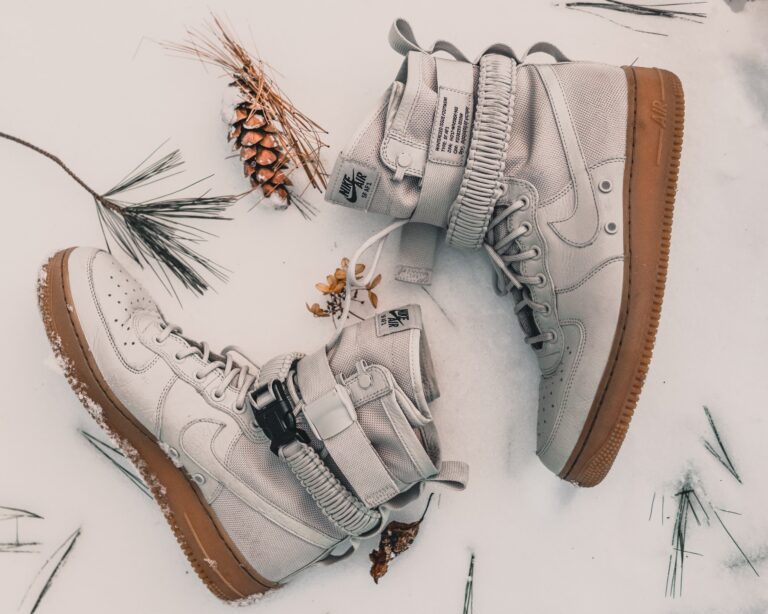
Winter White

Winter White is a timeless trend that never goes out of style. It’s the perfect way to bring light and brightness into your winter wardrobe while staying cozy and warm. This trend involves wearing white clothing or accessories during the colder months, creating a chic and sophisticated look.

One great way to incorporate Winter White into your wardrobe is by investing in a cozy white sweater. You can pair it with your favorite jeans or leggings for a casual yet stylish look. Another option is to wear an all-white outfit, which can make you stand out in any crowd.

Accessories are also key when it comes to this trend. A statement white scarf or hat can be just what you need to add some extra flair to your outfit. You could even consider rocking some trendy white boots or sneakers!

It’s important to keep in mind that Winter White doesn’t necessarily mean bright, pure white colors only; shades such as ivory, cream, and off-white are also included in this fashion trend.

Incorporating Winter White into your winter wardrobe is a fresh take on classic winter fashion trends – so don’t be afraid to experiment!

Layering

Layering is the ultimate winter fashion trend that never goes out of style. It not only keeps you warm but also adds dimension and interest to your outfit. Don’t be afraid to mix textures and patterns, as long as they complement each other.

To achieve a stylish layered look, start with a base layer such as a turtleneck or thin sweater. Then add on thicker items like cardigans, jackets or coats. Play around with lengths and proportions; try pairing an oversized sweater with skinny jeans or a shirt dress with leggings.

Incorporating accessories into your layers can also elevate your winter fashion game. Scarves, hats and gloves not only add warmth but also provide opportunities for color coordination or pop of pattern.

Embracing the art of layering will help you create versatile winter outfits that are both practical and chic. So go ahead, experiment with different combinations until you find what works best for you!