Are you constantly on the lookout for the latest and greatest in technology? Do you have a passion for gadgets, gizmos, and all things cool? Well, you’re in luck! Our blog is dedicated to bringing you the most up-to-date news about what’s happening in the world of technology. From cutting-edge devices to innovative software, we’ve got it all covered. So sit back, relax, and get ready to be amazed by what’s coming up next.
Google’s new messaging app
Google is launching a new messaging app called “Allo.” Allo is a smart messaging app that allows you to have a conversation with Google Assistant. You can also use Allo to chat with your friends and family. Allo has some other cool features, like the ability to draw on photos and create stickers.
Apple’s new iPhone
Apple will release its new iPhone in September, and there are already plenty of rumors about what it will offer. The most popular one is that the new phone will have a larger screen. Other rumored features include a better camera, a faster processor, and improved battery life.
Amazon’s new tablet
Amazon’s new tablet has a high-resolution display and runs on a modified version of the Android operating system.
Microsoft’s new operating system
Microsoft’s new operating system, Windows 10, is set to be released later this year. This latest version of the OS will include some improvements, including a new Start menu, a virtual assistant named Cortana.
Conclusion
Technology is constantly evolving and changing, so it’s important to stay updated on the latest news. This blog offers a way to get up-to-date information on all of the newest gadgets that are hitting the market. Not only will you be informed of these new technological advancements, but you will also have an insight into what might be coming in the near future. Keep checking this blog for more informative posts about the world of technology!
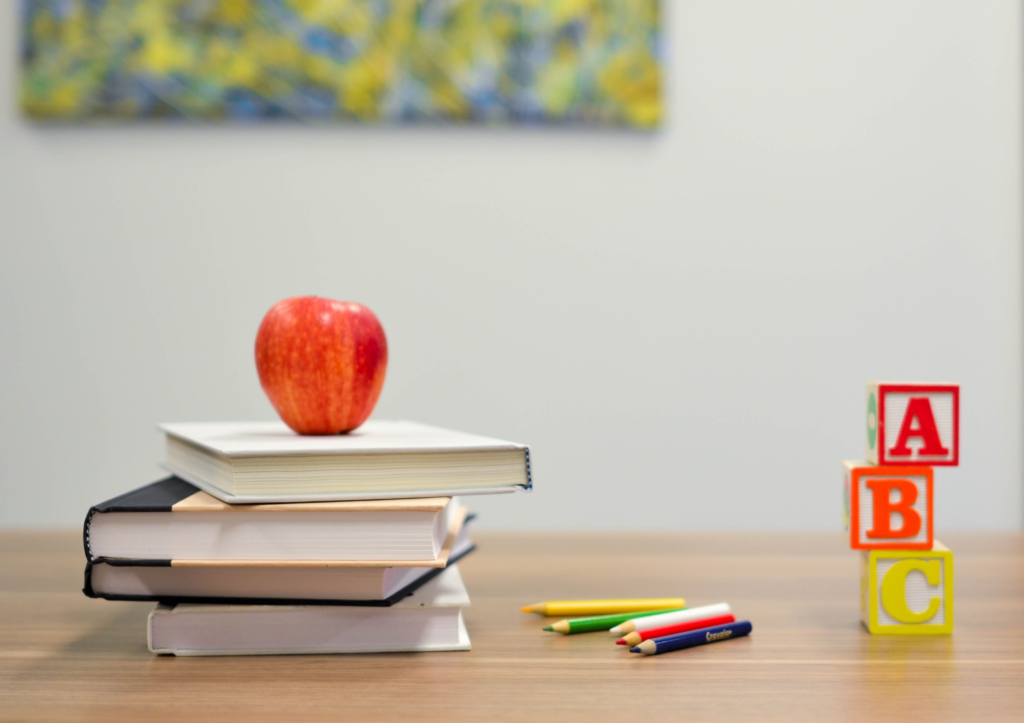
Education is something that we all have experienced in our lives, whether it was learning how to read and write or earning a college degree. But what exactly is education? And why do we need it? As an average student, I’ve had my fair share of experience with the education system and have come to understand its purpose, benefits, and drawbacks. In this blog post, I’ll be sharing everything you should know about education – from who it’s for to its potential future. So buckle up and get ready to expand your knowledge on this essential aspect of life!
Who am I?
My name is Emily and I am an average student who has experienced the education system from both sides of the spectrum. Growing up, school was always a top priority in my household, and I quickly learned that good grades were essential to success. While some students may have found this pressure overwhelming, it motivated me to work hard and strive for excellence.
As I progressed through different stages of education, from elementary school to college, I began to realize that education wasn’t just about getting good grades or impressing others. It was about learning new things and expanding your knowledge in areas that interest you.
However, like many other students, I also experienced the downsides of education – such as stress and burnout from constant deadlines and assignments. Despite these challenges, though, I remain grateful for the opportunities that education has provided me with so far.
While my personal experiences with education may differ from others’, one thing remains clear: no matter who we are or where we come from, we all have something to gain from learning new things through education.
What is education?
Education is a term that everyone has heard of, but what exactly does it mean? In its most basic sense, education refers to the process of gaining knowledge and skills through various means such as teaching, training or research. However, education goes beyond just acquiring knowledge; it helps individuals develop their intellect and character.
Education can take place in both formal and informal settings. Formal education typically takes place within schools and universities where students follow a curriculum designed to impart knowledge on particular subjects. Informal education happens when individuals learn from experiences outside of traditional classrooms such as traveling or engaging in hobbies.
The purpose of education is multifaceted. It equips students with practical skills needed for the workforce while also developing critical thinking abilities necessary for personal growth. Additionally, it promotes socialization by exposing students to diverse ideas and cultures.
Education isn’t just for those who attend college or university either—it’s essential for anyone seeking self-improvement or professional development. By fostering curiosity, creativity, and innovation amongst learners at all levels, we can cultivate more informed citizens capable of tackling today’s biggest challenges head-on.
The purpose of education
The purpose of education has been a topic of debate for centuries. Some argue that it’s about gaining knowledge and skills, while others believe it’s about preparing individuals to contribute to society. In my opinion, the purpose of education is multifaceted.
Firstly, education provides individuals with the necessary knowledge and skills to pursue their interests and passions. It equips us with critical thinking abilities, problem-solving techniques, and communication skills- all essential in today’s world.
Secondly, education plays a crucial role in shaping our values and beliefs. It expands our worldview by exposing us to diverse cultures and perspectives which help us become more accepting of differences.
Education prepares students for future careers or higher academic pursuits like college or postgraduate study. Education empowers learners with foundational skill sets required for professional success; thus enabling them access better job opportunities than those without an educational background.
The true value of education lies not just in acquiring practical knowledge but also developing character traits such as empathy,integrity,and perseverance-which are equally important life-long benefits one can gain from getting educated
Who is education for?
Education is an essential aspect of human development that has helped millions of people to achieve their dreams and aspirations. However, education is not only for the elite or those who can afford it but for everyone who wants to better themselves. Education is for anyone who believes in improving their knowledge and skills, regardless of age or background.
Education is an opportunity open to all students – whether they’re high school graduates looking into college options or professionals seeking advanced degrees. It’s available to those with disabilities, international students, single parents and even senior citizens looking forward to learning new things.
It does not matter if you come from a low-income family; education offers a chance at upward social mobility by providing access to new opportunities that would otherwise be unattainable without proper schooling. Everyone deserves the chance at a good life through education- no one should be left behind because of financial constraints.
Moreover, education equips individuals with the necessary tools needed for personal growth and allows them to contribute positively towards society’s advancement as well. Everybody needs some form of education in their lifetime if they are aiming towards self-improvement and developing positive contributions towards society’s progress.
The different types of education
Education comes in many different forms and can be tailored to suit individual needs. The most common types of education include formal, informal, non-formal and vocational education.
Formal education is the traditional type found in schools and colleges. It follows a structured curriculum with set subjects and assessments leading to qualifications such as diplomas or degrees.
Informal education includes learning that takes place outside of a classroom setting, such as through personal interests or life experiences. This can include reading books, watching videos or attending workshops.
Non-formal education refers to learning that takes place outside of a school environment but has structure and organization. Examples include language classes, computer courses, or music lessons.
Vocational Education focuses on practical training for specific careers like welding, plumbing or electrician work.
Each type of educational experience offers unique benefits and challenges depending on an individual’s personal goals and preferences. No matter what form it may take however – every kind of learning contributes to our growth as individuals!
The benefits of education
Education is undoubtedly one of the most important investments that you can make for yourself. It unlocks an array of benefits that not only enrich your life but also benefit society as a whole. Firstly, education empowers individuals with knowledge and skills needed to succeed in life. Whether it’s learning about history or mastering complex mathematical formulas, education equips students with critical thinking abilities and problem-solving skills.
Moreover, a good education increases career prospects by opening up opportunities for higher-paying jobs and promotions. College graduates earn more on average than those without degrees, making college education all the more valuable.
In addition to financial rewards, education also improves social mobility by providing access to better healthcare services, housing options and increased social status. Education instills discipline which helps individuals lead organized lives where they can effectively manage their time between work and personal pursuits.
Furthermore, when people become educated they tend to be more active participants in civic life which promotes democracy and contributes towards creating a healthier community overall.
All these benefits highlight why investing in one’s own educational journey is so essential not only for personal growth but also for societal progress as well!
The disadvantages of education
While education is undoubtedly beneficial, there are also some disadvantages to consider. One significant drawback of formal education is the financial burden it can place on students and their families. With college tuition costs skyrocketing in recent years, many students are forced to take out student loans that they may struggle to pay back later in life.
Another disadvantage of education is that it can sometimes feel limiting or restrictive on students. Students are often required to follow a set curriculum and meet certain standards, which can stifle creativity and limit independent thinking. Additionally, academic pressure can cause stress and anxiety among students, leading to burnout or even mental health issues.
In some cases, traditional forms of education may not be accessible for everyone due to various barriers such as geography or socio-economic status. This means that some individuals miss out on opportunities for personal growth and career advancement simply because they don’t have access to educational resources.
There’s no guarantee that having an extensive formal education will lead directly to success in one’s chosen field. Degrees do not always equate with job security or success; work experience and networking skills often play just as important a role in securing employment opportunities.
These disadvantages should not discourage anyone from pursuing an education but rather encourage people to carefully consider all aspects before making any decisions regarding further studies.
My experience with education
My experience with education has been a rollercoaster ride. I started off as an enthusiastic student, eager to learn new things and explore the world of knowledge. However, as I progressed through my academic journey, I realized that education is not always fun and games.
I faced numerous challenges such as difficult exams, high expectations from teachers and parents, and the pressure to perform well in order to get into a good college. At times, it seemed like all my efforts were going to waste.
Despite these challenges, however, I never lost hope or gave up on my dreams. Instead of viewing education as a burden or obligation imposed upon me by society or family members; I chose to view education as an opportunity for personal growth and development.
Through hard work and perseverance; I was eventually able to achieve academic success while also developing important life skills such as time management, critical thinking and problem-solving abilities that have helped me in various aspects of my life beyond just academics.
Though – it’s been quite the journey!
Education in the future
The future of education is exciting and full of possibilities for students. With the fast-paced changes in technology, we can expect that the way education is delivered will continue to evolve rapidly. One possibility for the future of education is a focus on personalized learning.
Personalized learning means that students will be able to learn at their own pace, using technology tools specifically designed for them. Students could also choose from a variety of courses tailored to their interests and abilities, which would help keep them motivated and engaged.
Another potential trend in the future of education is an increased emphasis on interdisciplinary studies. Instead of traditional subjects taught in silos, students could learn through integrated curriculum where they apply multiple disciplines to solve real-world problems.
Moreover, virtual reality (VR) or augmented reality (AR) technologies have enormous potential when it comes to improving educational experiences by providing interactive simulations or immersive environments for better comprehension and engagement with instructional materials.
As technology continues to advance at breakneck speed with new discoveries emerging every day, so too does our understanding about how best to deliver quality education to studnets. While nobody knows exactly what lies ahead for higher ed institutions in particular years down-the-line; these trends are quite promising – offering opportunities for greater personalization & interdisciplinarity as well as more engaging instructional experiences via VR/AR tech innovations for students.
Conclusion
Education is an essential part of every students life. It provides knowledge, skills and opens up a world of opportunities. From formal education to informal learning, there are various types of education that cater to different needs and interests.
Every student has their experiences with education, whether positive or negative. However, it is crucial to understand the purpose of education beyond just grades or degrees. Education helps us in personal growth as well as professional development.
As we move towards the future, the importance of quality education becomes even more significant. With advancements in technology and globalization, students need to have access to relevant and practical knowledge that prepares them for the ever-changing job market.
Education is not just about getting good grades or earning a degree; it’s about acquiring knowledge and skills that will help you become successful in all aspects of life. Whether you’re planning on attending college or pursuing alternative forms of learning, always remember that educating yourself should be a lifelong journey filled with curiosity and passion for learning new things!
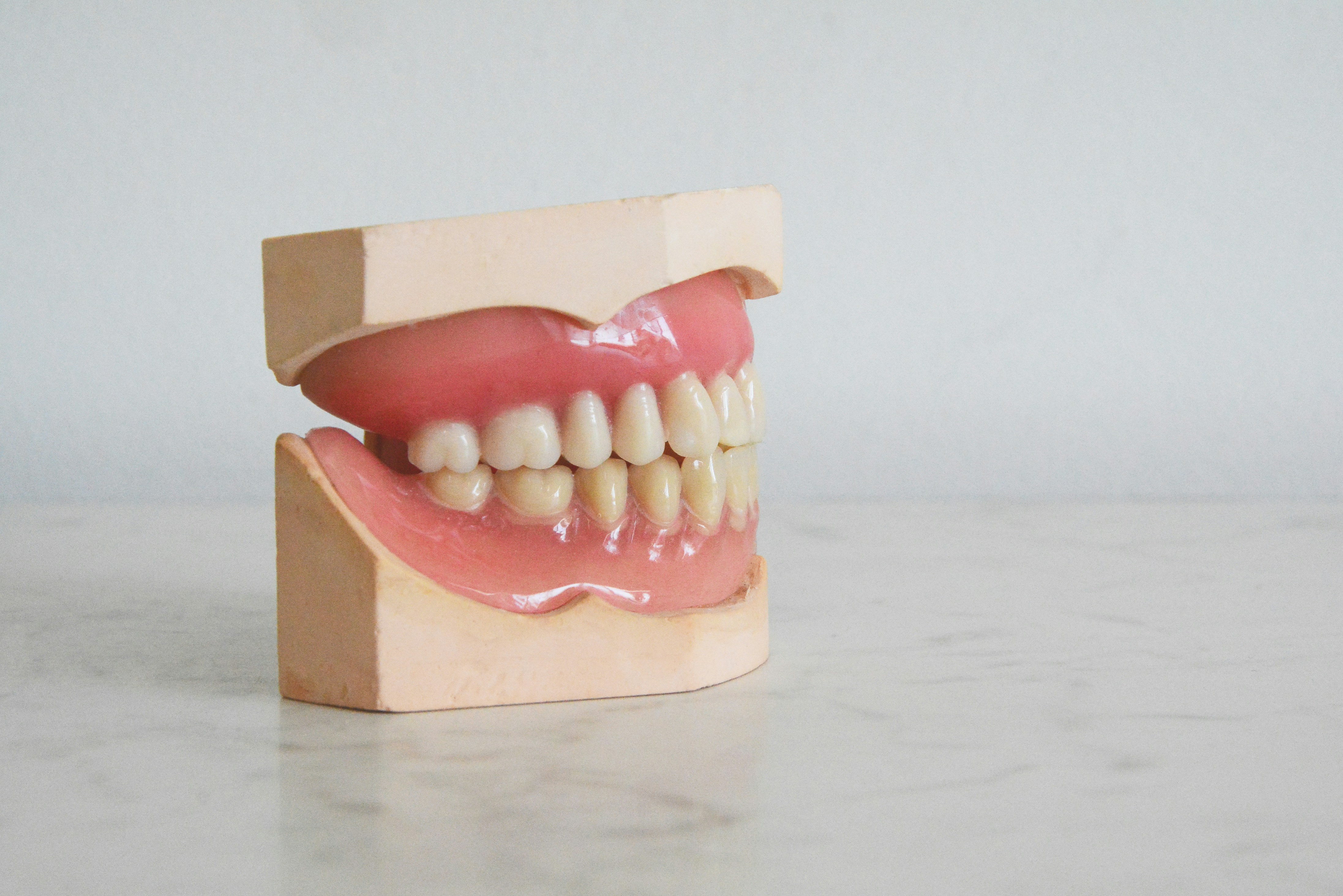
A healthy smile is not only a beautiful sight to behold, but it’s also an essential part of overall health and well-being. Your teeth are the first point of contact for everything you eat or drink, so keeping them in tip-top shape should be a top priority. Luckily, with a few simple tips and tricks, you can maintain your pearly whites for years to come! In this blog post, we’ll explore some practical ways to keep your teeth healthy and happy. So let’s dive in!
Why is it important to keep your teeth healthy?
A healthy set of teeth is a sign of overall wellness and plays an important role in our daily lives. Teeth help us chew, speak, and smile confidently. They also protect the jawbone from deterioration and keep facial muscles strong.
Maintaining good oral hygiene not only preserves your natural teeth but can also prevent gum disease, tooth decay, bad breath, and other dental problems that may require expensive treatments or surgeries down the line.
But keeping your teeth healthy goes beyond just brushing twice a day. A balanced diet rich in calcium and vitamin D helps strengthen bones including those in the mouth. Similarly, avoiding sugary snacks and drinks reduces the risk of cavities forming.
Taking care of your teeth doesn’t just benefit you cosmetically; it’s crucial for maintaining optimal health as well.
What are some tips to keep your teeth healthy?
Keeping your teeth healthy is an essential part of maintaining good oral hygiene. Here are some tips to help you keep your teeth in tip-top shape:
1. Brush twice a day: Brushing your teeth at least twice a day for two minutes each time can remove plaque buildup and prevent cavities.
2. Floss daily: Flossing helps remove food particles and plaque from between your teeth where toothbrushes can’t reach.
3. Use mouthwash: Mouthwash can freshen breath, kill bacteria, and prevent gum disease by reducing plaque buildup.
4. Limit sugary foods and drinks: Consuming too many sugary foods or drinks can increase the risk of tooth decay and cavities.
5. Drink plenty of water: Drinking water throughout the day helps wash away food particles that may be stuck on or between teeth.
6. Visit the dentist regularly: Regular dental checkups every six months can help detect any potential problems early before they become more serious issues.
By following these simple tips, you’ll be well on your way to keeping your pearly whites healthy!
How often should you see the dentist?
Regular dental check-ups are crucial to maintaining good oral health. But how often should you see the dentist? The answer depends on a few factors, such as your age, overall dental health and any ongoing problems.
For most people, it’s recommended to see the dentist at least twice a year for routine cleanings and check-ups. However, if you have gum disease or other dental issues that require more frequent treatment, your dentist may recommend more frequent visits.
Children also need regular checkups to monitor the growth of their teeth and ensure they’re developing properly. Pediatric dentists typically recommend seeing children every six months starting from when their first tooth erupts.
If you’re an older adult or have underlying medical conditions that affect your oral health, your dentist may recommend more frequent visits as well. It’s important to follow these recommendations to catch any potential issues early on before they become bigger problems.
In summary, how often you should visit the dentist varies depending on individual circumstances. Be sure to discuss with your dentist what schedule works best for you and prioritize regular checkups for healthy teeth and gums.
What are some signs that you need to see the dentist?
It’s important to visit the dentist regularly for routine check-ups and cleanings, but there are also occasions when you should see a dentist outside of your regular appointments. Here are some signs that it may be time to schedule an appointment:
1. Tooth pain or sensitivity: If you’re experiencing any kind of tooth pain or sensitivity, this could indicate a cavity or other dental issue that needs attention.
2. Bleeding gums: Healthy gums don’t bleed when you brush or floss them. If yours do, it could be a sign of gum disease and requires professional treatment.
3. Bad breath: Chronic bad breath can mean more than just poor oral hygiene – it can signal an underlying dental problem such as gum disease or tooth decay.
4. Loose teeth: Adult teeth should not feel loose in their sockets under normal circumstances. This is another indication of potential periodontal problems.
If you experience any of these symptoms, make sure to schedule an appointment with your dentist as soon as possible to prevent further complications and keep your smile healthy!
Conclusion
Maintaining good oral hygiene is essential for keeping your teeth healthy. Regular brushing, flossing, and visits to the dentist can prevent tooth decay, gum disease, and other dental problems. By following the tips outlined in this article such as limiting sugary foods and drinks, using fluoride toothpaste, wearing a mouthguard during sports activities , you can keep your teeth strong and healthy.
Remember that prevention is key when it comes to maintaining good oral health. Don’t wait until you have a problem with your teeth or gums before you visit the dentist. Schedule regular check-ups so that any issues can be detected early on.
By taking care of your teeth through daily habits like brushing twice a day and avoiding harmful habits like smoking or excessive sugar consumption, you will not only enjoy better oral health but overall physical health too! Incorporate these tips into your daily routine today for healthier teeth tomorrow!
Welcome to our blog post about 5 healthy habits that you should be consistent with! Maintaining a healthy lifestyle can seem overwhelming, but it’s all about forming positive habits. Implementing these five simple yet effective practices into your daily routine can make a significant difference in your overall health and wellbeing. From eating breakfast every day to staying hydrated, we’ve got you covered with some easy-to-follow tips. So grab a glass of water and let’s dive in!
Eat breakfast every day
Starting your day with a nutritious breakfast is one of the healthiest habits you can adopt. Breakfast provides the energy and nutrients needed to jumpstart your metabolism and fuel your brain for the day ahead. However, many people skip breakfast due to hectic schedules or simply not feeling hungry in the morning.
If you find yourself skipping breakfast often, consider waking up a bit earlier to give yourself time for this important meal. Eating something as simple as whole grain toast with peanut butter or a bowl of oatmeal can make all the difference in keeping you satiated until lunchtime.
Studies have shown that people who eat breakfast tend to consume fewer calories throughout the day compared to those who skip it. A balanced breakfast also helps regulate blood sugar levels, preventing mid-morning crashes and cravings.
So if you want sustained energy and better control over hunger pangs, make sure to start each day with a healthy breakfast!
Exercise for 30 minutes every day
Exercise for 30 minutes every day is a simple but incredibly important habit to incorporate into your daily routine. It doesn’t have to be an intense workout at the gym – a brisk walk, yoga or even dancing in your living room can count as exercise.
But why is it so important? Regular exercise has numerous health benefits, including reducing the risk of chronic diseases such as heart disease and diabetes, improving mental health and mood, increasing energy levels, and helping with weight management.
Incorporating exercise into your daily routine can also help you establish healthy habits in other areas of your life. For example, if you make time for a morning workout before starting your day, you may find that you’re more motivated to eat healthier throughout the day.
It’s important not to get discouraged if you miss a day or two of exercise. The key is consistency – aim to incorporate some form of physical activity into each day as much as possible.
Making regular exercise part of your daily routine can have significant positive impacts on both physical and mental health. So grab those sneakers and start moving!
Drink eight glasses of water per day
Drinking eight glasses of water per day is a healthy habit that many people overlook. Water plays a crucial role in our body’s functioning, and staying hydrated has numerous benefits for our overall health.
Firstly, drinking enough water helps regulate body temperature and keeps your joints lubricated. It also aids in digestion and nutrient absorption, keeping your digestive system running smoothly.
Furthermore, drinking enough water can help improve mood and cognitive function by reducing fatigue and increasing energy levels. Keeping yourself hydrated also helps flush out toxins from the body, promoting clear skin and preventing kidney stones.
If you struggle to drink enough water throughout the day, try carrying a reusable bottle with you wherever you go as a reminder to stay hydrated. You can also add flavorings or infusions such as lemon or cucumber slices to make it more enjoyable!
Staying properly hydrated is an essential part of maintaining good health. So next time you feel thirsty or fatigued, reach for a glass of water instead!
Get seven to eight hours of sleep per night
Getting a good night’s sleep is essential for our overall health and well-being. Adequate rest helps to improve brain function, mood, energy levels, and even weight management. However, many people struggle to get the recommended seven to eight hours of sleep per night.
One of the most common reasons people fail to get enough sleep is due to poor sleeping habits. For example, watching TV or using electronic devices in bed can disrupt your natural circadian rhythm and make it harder for you to fall asleep.
Another factor that affects sleep quality is stress. When we’re stressed out, our minds tend to race at night which makes it difficult for us to relax and drift off into deep slumber.
To promote better sleep hygiene, establish a relaxing bedtime routine such as reading a book or taking a warm bath before bed. Also consider investing in comfortable bedding materials like pillows and sheets made from breathable materials which help regulate body temperature during the night.
Lastly but not least important, create an optimal sleeping environment by keeping your room dark and cool with minimal noise disturbances so that you can achieve the sufficient amount of restorative rest each day!
Eat healthy snacks throughout the day
Incorporating these five healthy habits into your daily routine may seem daunting at first, but with time and consistency, they will become second nature. Remember that taking care of your health is a lifelong journey and small changes can make a big impact in the long run.
By eating breakfast every day, exercising for 30 minutes, drinking eight glasses of water, getting enough sleep each night, and snacking on healthy foods throughout the day, you are setting yourself up for success both physically and mentally.
Developing healthy habits takes time and effort but it’s worth it in the end. So why not start today? Choose one habit to focus on first then gradually incorporate more over time. It’s never too late to prioritize your health!
Are you tired of feeling sluggish and unmotivated in your daily life? Do you want to improve your overall health and well-being? Look no further than adopting a fitness lifestyle! Not only will regular exercise benefit your physical health, but it can also have positive effects on your mental health and mood. In this blog post, we’ll explore the best ways to start and maintain a fitness lifestyle that works for you. So grab your water bottle and let’s get started on the path towards a healthier, happier you!
What is fitness?
Fitness is a term that is often thrown around in conversations about health and wellness. But what does it actually mean? At its core, fitness refers to the ability of an individual to perform physical activities without experiencing excessive fatigue or injury. It encompasses a wide range of factors such as cardiovascular endurance, muscular strength, flexibility, and body composition.
To achieve optimal fitness levels requires consistent effort through exercise and healthy lifestyle choices like diet and sleep. Physical activity can come in many forms from high-intensity workouts to low-impact activities like yoga or walking. The key is finding something that works for you and sticking with it.
Fitness not only improves physical health but also has significant benefits for mental wellbeing including reducing stress, anxiety and depression symptoms while boosting self-esteem and confidence. In addition to these personal advantages, being fit can lead to increased productivity at work or school due to higher energy levels throughout the day.
Ultimately, fitness cannot be achieved overnight nor should one aim for perfection. Rather than setting unrealistic goals focus on small achievable milestones which will gradually build up over time leading towards better overall health outcomes
The benefits of fitness
Fitness is not just about looking good or losing weight, it also has numerous benefits for our overall health and wellbeing. Regular exercise can improve heart health and reduce the risk of cardiovascular diseases. It also helps to lower blood pressure and cholesterol levels.
Moreover, fitness can boost our immune system by increasing the production of white blood cells which fight against infections and diseases. Exercise triggers the release of endorphins, which are natural painkillers that make us feel happier and more relaxed.
In addition to physical benefits, fitness plays a significant role in improving mental health as well. Exercise releases stress hormones like cortisol and adrenaline that help relieve anxiety, depression, and other mood disorders. It also improves cognitive function by enhancing memory retention, focus, creativity, and productivity.
Furthermore, regular exercise promotes better sleep quality that leads to deeper restorative sleep patterns thus reducing fatigue throughout the day. Incorporating fitness into your lifestyle can lead to improved physical health along with better mental clarity leading you towards achieving success in life!
How to start a fitness lifestyle
Starting a fitness lifestyle can be daunting and overwhelming, but it doesn’t have to be. The key is to take small steps and gradually incorporate healthy habits into your daily routine.
Firstly, set realistic goals for yourself. Don’t try to go from couch potato to marathon runner overnight. Start with something simple like taking a 10-minute walk every day or doing a few stretches in the morning.
Secondly, find an activity that you enjoy. Whether it’s running, swimming, dancing or hiking, choose something that makes you happy and motivated to keep going.
Thirdly, make time for exercise in your schedule. Even if it means waking up half an hour earlier or skipping that Netflix binge session after work.
Fourthly, get support from family and friends who share similar goals or join a fitness community online or in person for accountability and motivation.
Be patient with yourself and celebrate small victories along the way. Remember that fitness is not just about physical health but also mental well-being. So embrace the journey as much as the destination!
Tips for maintaining a fitness lifestyle
Maintaining a fitness lifestyle can be challenging, but with the right mindset and approach, it becomes much easier. Here are some tips to help you stay on track.
Firstly, consistency is key! Make exercise a part of your daily routine and stick to it. Whether it’s going for a run in the morning or hitting the gym after work, make sure you schedule time for physical activity every day.
Secondly, find activities that you enjoy doing. This will help keep things interesting and prevent boredom from setting in. Try out different workouts like yoga or dance classes to find what suits you best.
Thirdly, fuel your body with nutritious foods. Eating a balanced diet will not only support your workout routine but also contribute to overall health and well-being.
Fourthly, set achievable goals for yourself. Having something specific to work towards gives motivation and direction to your fitness journey.
Don’t forget self-care! Rest days are just as important as workout days so take time off when needed and prioritize sleep hygiene.
Conclusion
To sum it up, having a fitness lifestyle can greatly improve your overall well-being. Not only does it help you stay physically fit and healthy, but it also has positive effects on mental health and self-esteem.
Starting a fitness lifestyle may seem daunting at first, but with the right mindset and approach, anyone can do it. Remember to set realistic goals, track your progress, find activities that you enjoy doing, and make gradual changes to your habits.
Maintaining a fitness lifestyle requires dedication and consistency. It’s important to listen to your body’s needs and avoid burnout by taking rest days when necessary. Surrounding yourself with supportive friends or joining a fitness community can also provide accountability and motivation.
Incorporating fashion into your fitness journey is just an added bonus! When you feel good in what you’re wearing during workouts, it can boost confidence levels as well as offer practicality for exercise movements.
Remember that everyone’s fitness journey looks different- there is no one-size-fits-all approach. Find what works best for you and embrace the process of becoming the best version of yourself through living an active lifestyle!
Fashion trends come and go, but some looks remain timeless. These are the pieces that have stood the test of time and continue to be a staple in our wardrobes. Whether you’re looking for an outfit for work or a night out with friends, these ten items will never let you down. From the little black dress to statement earrings, we’ve got you covered with the ultimate list of looks that never go out of style. So sit back, relax and get ready to take notes!
The Little Black Dress
The little black dress, or LBD, is a timeless piece that every woman should have in her wardrobe. It’s versatile and can be dressed up or down depending on the occasion. The beauty of the LBD lies in its simplicity; it’s a blank canvas that you can accessorize to your heart’s content.
One of the great things about the LBD is that it never goes out of style. It was first popularized by Coco Chanel in the 1920s and has been a staple ever since. The key to finding the perfect LBD is to choose one that flatters your body type and fits you like a glove.
When choosing an LBD, consider the neckline, hemline, and sleeves. A classic boatneck or V-neck will always look elegant and timeless. A knee-length hemline is universally flattering while long sleeves are perfect for cooler weather.
Accessorizing an LBD is where you can really let your personal style shine through. Pair it with statement jewelry for a bold look or keep it simple with dainty pieces. Add some height with heels or keep it casual with flats.
The possibilities are endless when it comes to styling an LBD!
The White Button Down
The white button-down is a timeless classic that never goes out of style. It’s versatile and can be worn in many different ways, making it a staple for any wardrobe.
One way to wear the white button-down is with a pair of jeans for a casual yet chic look. You can also dress it up with slacks or a skirt for more formal occasions.
Another great thing about the white button-down is that there are so many variations to choose from. You can opt for one with ruffles or lace detailing, or go for a more minimalist style.
When choosing the perfect white button-down, make sure it fits well and flatters your body type. A tailored fit will always look more polished than an oversized shirt.
To keep your white button-down looking fresh and crisp, make sure to wash it properly and iron it as needed. With proper care, this classic piece will last you years to come.
The Perfect Jeans
Jeans are the ultimate fashion staple that will never go out of style. They can be dressed up or down, making them perfect for any occasion. But finding the perfect pair can be a real challenge – it’s all about fit, wash and cut.
The key to finding the perfect jeans is all in the fit. The waist should sit comfortably on your hips without any gaping at the back. The length should hit just above your ankle bone for a flattering look.
When it comes to wash, keep it simple with classic blue denim or black for a dressier option. Avoid overly distressed styles as they tend to date quickly.
In terms of cut, straight leg jeans are universally flattering while skinny jeans work well on slimmer figures. Bootcut and flared styles are great for balancing out curvier hips.
Investing in high-quality denim pays off in spades as they last much longer than cheaper alternatives and hold their shape better over time. Once you find your perfect pair of jeans, you’ll wonder how you ever lived without them!
The Blazer
The blazer is a timeless piece that every woman should have in her wardrobe. It can be dressed up or down, making it versatile for any occasion. The beauty of the blazer lies in its simplicity: a classic cut, structured shoulders and lapels create an effortless sophistication.
The key to picking out the perfect blazer is finding one that fits your body type perfectly. This means taking into account your bust size, waistline and arm length to ensure a flattering silhouette.
For a classic look, pair your blazer with jeans and heels. It’s simple yet chic and looks effortlessly put together. Alternatively, layer over a dress for an elegant touch or wear it with tailored trousers for workwear attire.
The beauty of the blazer is also in its ability to add structure to any outfit while maintaining comfortability. You can easily throw on a blazer over your favorite t-shirt and jeans combo for an elevated casual look.
The blazer remains as one of those pieces that never go out of style due to its versatility and timelessness – making it worth investing in!
The Pencil Skirt
The pencil skirt is a timeless classic that has been in fashion for decades. This elegant piece of clothing can create a sleek and sophisticated look for any occasion. The beauty of the pencil skirt lies in its versatility, as it can be dressed up or down depending on your mood.
The key to wearing a pencil skirt is to find one that fits you perfectly. It should hug your curves without being too tight or restrictive. A knee-length hemline works well on most body types, but shorter lengths are also acceptable for more daring looks.
When it comes to styling a pencil skirt, the possibilities are endless. Pair it with a crisp white button-down shirt and pumps for an office-appropriate outfit, or dress it down with a graphic tee and sneakers for a casual weekend look.
Accessories are crucial when wearing a pencil skirt – opt for statement jewelry like chunky bracelets or bold earrings to add some personality to your outfit. And don’t forget about footwear! Heels will elongate your legs and provide extra height, while flats give off an air of effortless chicness.
Whether you’re dressing up or down, the pencil skirt is always in style. With its flattering shape and endless styling options, this wardrobe staple deserves a place in everyone’s closet.
The Trench Coat
The trench coat is a timeless piece of clothing that has been in style for many years. Its classic design and versatility make it perfect for any occasion, whether you’re dressing up or down.
A good quality trench coat can last you a lifetime, which makes it an excellent investment piece. It’s also incredibly practical as it provides protection from the rain while still looking fashionable.
There are many different styles and colors of trench coats to choose from, so you can find one that suits your personal taste. The traditional beige color is always a safe bet, but navy blue or black can give your outfit a more modern twist.
The beauty of the trench coat is that it works well with both casual and formal outfits. Pair it with jeans and sneakers for a relaxed look, or wear it over a dress for a more elegant ensemble.
To keep your trench coat looking its best, make sure to follow the care instructions on the label. A high-quality coat will require professional cleaning every few years to maintain its shape and longevity.
Investing in a good quality trench coat is an excellent choice if you want to add some timeless elegance to your wardrobe.
The Cashmere Sweater
The Cashmere Sweater is a timeless classic that has been a part of fashion for years. It’s soft, comfortable and versatile, making it an essential piece in every wardrobe.
Cashmere comes from the soft undercoat of cashmere goats, which makes it not only luxurious but also incredibly warm. The best thing about cashmere sweaters is that they can be dressed up or down depending on the occasion.
You can pair your cashmere sweater with jeans for a casual look or dress it up with trousers or a skirt for a more formal event. They come in many styles and colors, so you’re sure to find one that suits your taste.
When shopping for cashmere sweaters, go for high-quality ones as they will last longer than cheaper options. Look out for pill-resistant fabrics and hand-washing instructions to ensure longevity.
The Cashmere Sweater is an investment worth making as it never goes out of style and provides warmth without compromising on style.
The Ankle Boots
The ankle boots are a classic footwear staple that will never go out of style. They are versatile and can be worn with almost any outfit, making them the perfect addition to any wardrobe.
One great thing about ankle boots is that they come in a variety of styles and materials. You can opt for leather or suede, flat or heeled, embellished or simple – the options are endless!
Ankle boots also work well all year round. In colder months, they look great paired with jeans and a cozy sweater. During warmer months, you can pair them with denim shorts and a flowy top for an effortless yet chic look.
Another plus point of ankle boots is their ability to instantly elevate any outfit. Even if you’re just wearing jeans and a t-shirt, adding a pair of ankle boots will give your outfit an extra touch of sophistication.
Investing in high-quality ankle boots is always worth it as they tend to last longer than cheaper alternatives. So don’t hesitate to splurge on this timeless fashion piece!
The Clutch
The clutch is a fashion staple that every woman should have in her wardrobe. It’s the perfect accessory for any occasion, whether it’s a night out on the town or a formal event.
What makes the clutch so versatile is its simplicity in design. It’s small, compact and easy to carry around. You can also find them in different styles and materials, from leather to silk.
One of the best things about clutches is how they can add an instant touch of elegance to any outfit. Even if you’re wearing something simple like jeans and a t-shirt, carrying a chic clutch with some bold detailing can instantly elevate your look.
Another great feature of clutches is their functionality. They may be small, but they can hold all your essentials such as your phone, keys and lipstick.
Having a good quality clutch in your wardrobe means that you’ll always have an accessory that’s timeless and elegant no matter what trends come and go over time!
The Statement Earrings
The ten looks that never go out of style are versatile and timeless. The Little Black Dress is perfect for any occasion, while a White Button Down can be dressed up or down. The Perfect Jeans are a wardrobe staple, as well as the classic Blazer. A Pencil Skirt flatters every figure, while a Trench Coat adds sophistication to any outfit.
A Cashmere Sweater is cozy yet chic, and Ankle Boots are both stylish and practical. A Clutch completes any evening look with elegance, while Statement Earrings add a touch of glamour.
These ten looks may seem simple but they have stood the test of time in the fashion industry. They can also be mixed and matched with each other to create different styles that will always make you look trendy no matter what year it is.
Ultimately, knowing these staples will save you from countless fashion faux pas when trying to keep up with ever-changing trends because they never go out of style!
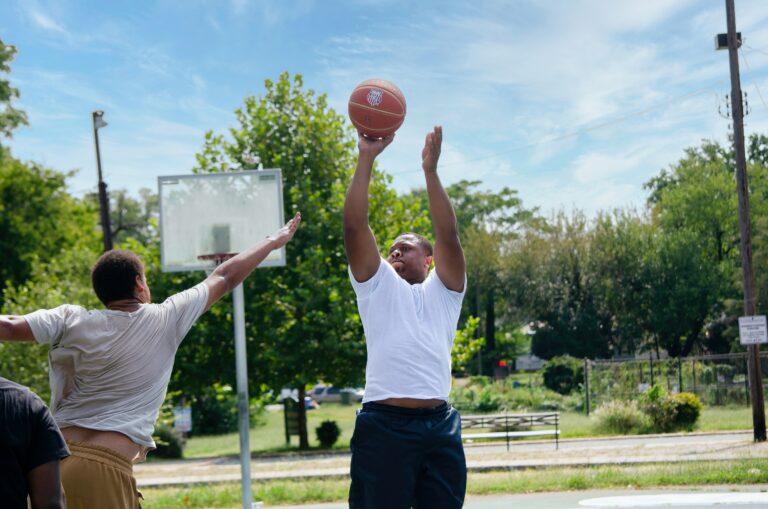
Are you tired of the same old routine at the gym or playing the same sport over and over? If so, it’s time to switch things up and try pick-up games! Pick-up games are a fun and exciting way to stay active while meeting new people. Not sure what a pick-up game is or where to find them? Don’t worry, we’ve got you covered! In this blog post, we’ll cover everything from the benefits of playing pick-up games to different types of games you can try. So let’s get started on your journey towards discovering ten ways to play pick-up games!
What is a pick-up game?
A pick-up game is a type of sports or physical activity that is organized informally, usually without any pre-determined teams or schedules. The term “pick-up” comes from the fact that players are picked on the spot to participate in the game. This means anyone can join and play, regardless of their skill level or experience.
Pick-up games are often played outdoors in public spaces such as parks, playgrounds, and basketball courts. However, they can also be played indoors at gyms or recreational centers.
One of the main benefits of playing pick-up games is that it allows you to stay active while having fun with others. It’s a great way to socialize and meet new people who share similar interests.
Another advantage is that there are no commitments required when playing pick-up games. You can show up whenever you want and leave whenever you need to without worrying about letting your team down.
Playing pick-up games offers endless opportunities for physical activity and enjoyment among like-minded individuals in an informal setting.
The benefits of playing pick-up games
Playing pick-up games can bring a lot of benefits to individuals. For starters, it’s an excellent way to get some exercise and stay active without the pressure of organized sports. Pick-up games are also great for socializing as they offer an opportunity to meet new people and make friends.
Another benefit is that pick-up games can improve one’s problem-solving skills. Since these games don’t have set rules or regulations, players must come up with strategies on their own that work best in the situation at hand. This fosters creativity and quick thinking.
Participating in different types of pick-up games can also help build teamwork skills as well as boost confidence levels. Players learn how to communicate effectively with each other while working towards a common goal.
Pick-up games are also beneficial for mental health as they provide a sense of release from everyday stressors. The adrenaline rush from playing sports helps reduce anxiety levels, leading to better overall mental wellbeing.
Playing pick-up games is accessible and affordable since all you need is a ball or any equipment necessary for the game you want to play. It’s an inexpensive way for anyone interested in sports or physical activity to stay fit and healthy without breaking the bank.
The different types of pick-up games
Pick-up games come in different types, and each type offers unique experiences. Basketball is the most popular pick-up game, but there are other types of sports that people play for recreation. For instance, soccer is another popular pick-up sport that requires minimal equipment, making it perfect for casual players.
Volleyball is also a great option for those who want to enjoy a fun day at the beach or park with friends. Other non-traditional pick-up games include dodgeball and kickball.
If you’re looking to switch things up and try something new, consider playing ultimate frisbee or flag football. These sports combine elements of traditional sports while offering their own distinctive rules and gameplay.
For those who prefer individual activities, tennis and racquetball are excellent options as they offer opportunities to compete against others without needing a full team.
It’s important to remember that any activity can be turned into a pick-up game with some creativity and enthusiasm. Whether you’re playing classic basketball or trying out something new like spike ball or cornhole – the possibilities are endless!
How to find pick-up games in your area
Looking for pick-up games in your area can be a bit daunting, especially if you’re new to the community. Fortunately, there are several ways to find them.
Firstly, check out local parks or playgrounds where people usually gather to play sports. You might also want to look into recreational centers that host different activities such as basketball or volleyball leagues. These places often have bulletin boards where players post their contact information and schedules for pick-up games.
Another way is through social media platforms like Facebook groups or Meetup.com which cater specifically to sports enthusiasts looking for pick-up games in their area. Joining these groups enables you to connect with other players who share your interests and schedule a game together.
Don’t forget about asking around! Talk with coworkers or ask neighbors if they know of any regular pick-up games happening in the community. Sometimes word-of-mouth is the best way to discover opportunities for playing sports and meeting new friends.
By trying these methods, you will have better chances of finding fun-filled pick-up games without having too much trouble searching far and wide!
Ten different pick-up games to try
Looking for some new pick-up games to try? Look no further! Here are ten fun and unique options that you and your friends can play.
1. Ultimate Frisbee: This fast-paced game combines elements of soccer, basketball, and football with a frisbee instead of a ball. It’s great for all skill levels!
2. Spikeball: Similar to volleyball, this game involves hitting a small ball onto a circular net on the ground. It’s perfect for playing on the beach or in the park.
3. KanJam: In this game, two teams of two take turns throwing frisbees at a goal while their opponents attempt to block them. Points are earned by getting the frisbee into various slots in the goal.
4. Dodgeball: A classic childhood favorite, dodgeball is still just as fun as ever! Teams throw soft balls at each other in an attempt to eliminate players from the opposing team.
5. Handball: Played with one hand and usually indoors or outdoors against walls with goals marked out by chalk lines or cones.
6. Basketball H-O-R-S-E: A variation on traditional basketball where players take turns trying to make trick shots that their opponents then have to replicate – if they fail, they earn another letter until spelling out “horse” and losing.
7. Kickball/Base Soccer – played using only feet instead of hands similarly done in soccer but without dribbling
8.
Tennis baseball/rounders – played like baseball but using tennis racquets
9.
Softball/T-ball – similar mechanics as baseball
10.
Flag Football- modified version of American Football where players wear flags attached around waist rather than hit tackles
Things to keep in mind when playing pick-up games
When playing pick-up games, it’s important to keep a few things in mind to ensure that everyone has a good time and stays safe. Firstly, always respect the rules of the game and any decisions made by the group or team captain. This will help avoid arguments or conflict during gameplay.
Secondly, remember that pick-up games are meant to be fun for everyone involved. Don’t take things too seriously or become overly competitive, as this can ruin the atmosphere and discourage others from wanting to play with you in future.
Thirdly, make sure you have appropriate equipment and footwear for the game being played. Wearing cleats on an indoor basketball court is not only impractical but also dangerous.
Fourthly, communicate with your teammates throughout the game. Be vocal about passes, shots and plays so that everyone is on the same page.
Always show good sportsmanship towards both your own team members and opponents. Shake hands after each game and congratulate them on a good match whether you win or lose. Remember- it’s just a game!
Conclusion
Pick-up games are a fantastic way to stay active, meet new people, and have fun. They offer a wide variety of benefits that organized sports simply can’t match. Whether you’re looking for something competitive or just want to unwind after work, there’s a pick-up game out there for you.
Remember to always be respectful of other players and their abilities when participating in pick-up games. Keep an open mind and try new things – who knows, you might discover a new favorite sport or activity!
So next time you’re looking for something to do on the weekends or even during the weeknights, consider checking out your local pick-up game scene. You never know what kind of adventure awaits!
As athletes, we often focus on pushing ourselves to the limit during training and competition. We strive for improvement and success in our sport, but it’s important not to overlook one crucial aspect of our performance: rest. Rest is not just sleeping or taking a day off from training; it’s an essential part of any athlete’s routine that can greatly impact their overall health and athletic ability. In this blog post, we’ll explore the different types of rest, why rest is so critical for athletes’ well-being, how much rest they need, when to take a break from training and more! So sit back (after your workout) and read on to discover why making time for rest could be the key to unlocking your full potential as an athlete.
What is Rest?
Rest is a concept that seems straightforward enough, but the reality of what it means can be more complex than we often realize. Simply put, rest refers to any period of time when an individual stops engaging in physical or mental activity and instead allows their body and mind to recover.
There are many different types of rest. For athletes, this might include things like sleeping, taking naps during the day, or simply relaxing between training sessions. But rest can also take on other forms such as meditation, yoga or stretching.
Rest should not be taken for granted as a luxury; rather it’s an essential component of overall health and well-being. When we allow ourselves adequate periods of rest, our bodies have a chance to heal from injuries and strain while our minds can relax and recharge from stress associated with intense training routines.
In addition to helping us recover physically and mentally after exercise, proper amounts of sleep help athletes maintain peak performance levels throughout the day as well. By getting enough sleep at night (usually 7-9 hours), athletes give themselves time for muscle repair which leads to better athletic results in the long run.
Incorporating regular intervals of rest into your daily routine could make all the difference in achieving peak performance levels both on and off the field!
The Different Types of Rest
Rest is not just about sitting still and doing nothing. There are actually different types of rest that athletes should be aware of to maximize their training and performance.
First, there’s physical rest which refers to taking a break from intense physical activity. This type of rest allows the body to recover from muscle fatigue, soreness or injury.
Second, there’s mental rest which involves taking a break from mental stimulation such as work or social media. Mental rest helps reduce stress levels and promotes better focus during training.
Third, there’s emotional rest which refers to taking time off from emotionally draining situations like relationship problems or family issues. Athletes need emotional stability in order to perform at their best.
Fourth, there’s sensory rest which means giving your senses a break by shutting out external noise and distractions through activities like meditation or spending time in nature.
There’s sleep which is essential for all types of recovery including physical repair and cognitive function. Adequate sleep improves reaction time, memory retention and overall athletic performance.
Incorporating these different types of rests into an athlete’s routine can lead to better recovery times, decreased risk of injury,and improved overall health allowing them train harder without sacrificing long term benefits.
The Importance of Rest for Athletes
Rest is crucial for athletes to perform at their best. It’s not just about physical exertion, but mental and emotional stress that comes along with training and competition. Rest allows the body to recover, rebuild and recharge. Without rest, an athlete can suffer from fatigue, injury or burnout.
There are different types of rest such as active rest, passive rest and sleep. Active rest involves low-intensity activities like walking or stretching while passive rest means complete inactivity like lying down or taking a nap. Sleep is essential for repairing muscles tissue damage caused by intense training sessions.
Rest also helps prevent injuries that can be caused by overuse of muscles due to continuous exercise without proper recovery time in between workouts.
In addition to physical benefits, there are mental health benefits of resting too. Resting helps reduce stress levels which leads to better focus and emotional stability during competitions.
Therefore it’s important for athletes to make sure they’re getting enough rest according to their individual needs based on factors such as age, intensity of training program etc., so that they can achieve optimal performance results while minimizing the risk of injury or burnout in the long run.
How much rest do athletes need?
Rest is an essential factor for any athlete aiming to perform at their best level. But how much rest do they need? The amount of rest that athletes require depends on various factors, including the type of sport they participate in, age, fitness level, and training intensity.
For instance, endurance athletes like long-distance runners may require more recovery time than sprinters because of the high-intensity workload. A good rule of thumb is to take a day off per week from intense training sessions or competitions.
Moreover, younger athletes tend to recover faster than older ones due to their higher metabolic rate and hormonal balance. It’s crucial for coaches and trainers to determine appropriate rest intervals based on each athlete’s unique needs.
It’s also important not only to focus on physical recovery but mental restoration as well. Athletes should incorporate meditation or other relaxation techniques into their routines during the rest periods.
There isn’t one right answer when it comes to how much rest athletes need as every individual is different. However, adequate time for recovery can help prevent injuries and improve overall performance in sports while ensuring optimal health levels are maintained.
When to rest
When it comes to training, athletes often push themselves hard to achieve their goals. However, knowing when to rest is just as important as knowing when to train. Resting allows the body time to recover and repair itself after intense physical activity.
It’s important for athletes to recognize the signs that their bodies need a break. Feeling constantly fatigued or experiencing frequent soreness are indications that it might be time for some rest. Additionally, if an athlete experiences a sudden decrease in performance or struggles with motivation during workouts, these could also be signs of overtraining and signal the need for more rest.
Rest doesn’t always mean complete inactivity either. Incorporating active recovery activities such as yoga, stretching exercises or light cardio can help improve blood flow and promote muscle recovery without putting additional strain on the body.
In summary, listening to your body is key in determining when you should take a break from training. By incorporating adequate periods of rest into their routine, athletes can avoid injury and ensure they remain at peak performance levels over time.
Conclusion
Rest is an essential part of any athlete’s training regimen. It provides the body with the necessary time to recover and repair from intense physical activity, allowing for improved performance in future workouts or competitions.
There are many different types of rest that athletes can incorporate into their routines, such as active recovery, passive rest, and sleep. The amount of rest needed will vary depending on individual factors like age, fitness level, and training intensity. However, it is important not to underestimate the importance of taking regular breaks throughout your training routine.
By prioritizing rest alongside exercise and nutrition as a fundamental part of overall health goals for athletes and those who enjoy sports activities; they can ensure that their bodies remain healthy while achieving optimal results on the field or court. So next time you’re planning your workout schedule or preparing for a competition; remember that taking adequate amounts of quality rest is just as crucial as rigorous training sessions when it comes to athletic success!
Are you planning your next vacation and feeling overwhelmed with all the details? Well, fear not! We have compiled a list of four amazing apps that will make your travel experience stress-free and enjoyable. From navigating through new cities to finding the best local eateries, these apps are here to assist you every step of the way. So sit back, relax, and get ready to download some game-changing apps for your next adventure!
Google Maps
Google Maps is a must-have app for any traveler. It’s user-friendly and provides step-by-step directions to help you navigate through unfamiliar territories with ease. The app also allows you to save maps offline, which is incredibly helpful when traveling in areas where wifi or data may not be readily available.
One of the best features of Google Maps is its ability to provide real-time traffic updates, helping travelers avoid congested roads and arrive at their destinations on time. Plus, it offers various transportation options such as public transit schedules and estimated costs for ride-sharing services like Uber or Lyft.
Another great feature that sets Google Maps apart from other navigation apps is its “Explore” tab. This feature helps users discover nearby attractions, restaurants, bars, and other points of interest based on their location.
Google Maps is an essential tool that will make your next vacation stress-free by providing reliable navigation and useful information about your surroundings.
Yelp
Are you looking for the best places to dine during your next vacation? Yelp can help! This app allows users to search for restaurants, cafes, and bars nearby based on their location.
Yelp provides detailed information about each establishment such as reviews from other customers, menus, photos of food and drinks, prices and hours of operation. Users can also filter their search results by cuisine type or price range.
One feature that sets Yelp apart is its elite program which awards badges to frequent reviewers who write high-quality reviews. Elite members have access to exclusive events hosted by Yelp in addition to other perks like specialized support.
Yelp is a great tool for travelers who want an authentic dining experience in a new city without breaking the bank. With millions of businesses listed on this platform worldwide, there’s bound to be something for everyone’s taste buds!
TripAdvisor
TripAdvisor is a popular app that has become the go-to resource for travelers looking to find information on hotels, restaurants, and activities. The app allows users to read reviews from other travelers and get an idea of what they can expect before booking their trip.
One of the best things about TripAdvisor is its vast database of user-generated content. This means that you can find reviews on just about any hotel or restaurant in the world. Whether you’re looking for luxury accommodations or budget-friendly options, TripAdvisor has plenty of options to choose from.
The app also offers helpful features like price comparisons and map views which make it easy to plan your itinerary. For example, if you’re planning a day trip in a new city, you can use TripAdvisor’s map view feature to see all nearby attractions and restaurants at once.
Another great feature is the ability to save favorite places and create custom travel guides within the app itself. This makes it easy to keep track of important details like reservation confirmations and addresses while you’re on-the-go.
If you’re looking for an all-in-one travel planning tool with reliable recommendations from real people, then TripAdvisor should definitely be one of your top choices!
Foursquare
So there you have it – four fantastic apps that can help make your next vacation even better. From helping you find the best restaurants and attractions, to guiding you through unfamiliar streets with ease, these apps are a must-have for any traveler.
And while there are certainly many other travel apps out there, we believe that Google Maps, Yelp, TripAdvisor, and Foursquare stand out as some of the best options available.
So why not give them a try on your next trip? We’re confident they’ll help make your vacation more enjoyable and stress-free than ever before!
In our world today, technology is advancing at a rapid pace. One of the most essential tools in this digital age is the computer. Whether you use it for work or leisure activities, having a good computer experience can make all the difference. In this blog post, we will provide 10 tips to help enhance your computer experience and make sure you get the most out of your tech investment. So sit back, relax and let’s dive into how you can improve your interaction with technology!
Get a Good Computer
When it comes to having a better computer experience, the first step is to get a good computer. This doesn’t necessarily mean you have to break the bank and buy the most expensive one on the market. It means finding a computer that suits your needs and budget.
One important factor when choosing a computer is its operating system. Mac or Windows? Each has its own pros and cons, so it’s best to research which one would work best for you.
Another thing to consider is the size of your screen. Do you need something small and portable or do you prefer something larger with more screen real estate?
The amount of RAM and storage space are also important factors. If you plan on using your computer for intensive tasks like video editing or gaming, then more RAM will be beneficial. And if you have lots of files, documents, photos or videos, then more storage space will come in handy.
Getting a good computer doesn’t have to be overwhelming – just take some time to think about what features are most important for your needs and budget before making any purchases!
Learn the Basics
Learning the basics of computer usage is essential for a better computer experience. Whether you’re a beginner or an experienced user, there’s always something new to learn. Here are some tips to help you get started.
Firstly, familiarize yourself with the different parts of your computer and what they do. Knowing the basic hardware components such as CPU, RAM, hard disk drive will give you a good foundation on how your device works.
Secondly check out online tutorials or ask friends who know more about computers than you for advice. Many websites offer free courses on topics ranging from keyboard shortcuts to coding fundamentals.
Thirdly, it’s important to be aware of common software programs that can make everyday tasks easier like Microsoft Word and Excel which are useful tools in creating documents and spreadsheets respectively.
Lastly don’t forget about security measures like antivirus software and firewalls which protect your computer against malware attacks while browsing online. By learning these basics you’ll be able to navigate through any issues that might arise with ease!
Keep it Clean
Keeping your computer clean is essential for a better computer experience. It’s not just about wiping down the screen and keyboard, but also keeping the system free of junk files and unnecessary programs. Here are some tips to help you keep your tech in tip-top shape.
Firstly, regularly cleaning out old or duplicate files can help speed up your computer’s performance. Whether it’s photos, documents or videos, if it’s no longer useful then delete it! This will free up storage space and prevent your device from slowing down due to cluttered hard drives.
Secondly, ensure that you have updated anti-virus software installed on your computer. Viruses can easily infect your machine when browsing online or downloading attachments so make sure that security measures are always in place.
Thirdly, aim to clear out temporary internet files and cache regularly too as this helps boost PC performance by freeing up memory.
Give those keyboards a good wipe-down every once in a while with an appropriate cleaner such as rubbing alcohol to remove dirt build-up which could cause damage over time.
By following these simple steps you’re taking care of both the hardware and software elements of your technology ensuring they work at their optimum level thereby providing an enhanced user experience all round!
Add Some personality
Your computer is an extension of yourself, so why not add some personality to it? Personalizing your computer can make you feel more connected to it and create a more enjoyable experience. Here are some tips on how to add some personality:
1. Change your desktop background: You can choose from any number of photos or images that fit your style or interests.
2. Customize icons: Change the look of folders and files by customizing their icons with ones that reflect your personality.
3. Install a screensaver: Choose an animated screensaver that represents something you love like animals, landscapes, space, etc.
4. Add stickers or decals: You can find all sorts of fun stickers and decals online that will make your laptop stand out from the rest.
5. Use unique fonts: While keeping readability in mind, use different fonts for titles and body text to add character to your documents.
Adding a touch of personality doesn’t have to be complicated nor expensive – these simple steps can go a long way!
Get Some Help
Get Some Help
Sometimes, despite all our best efforts, we encounter issues with our computers that we just can’t fix on our own. That’s when it’s time to seek outside help.
One option is to consult online forums or user groups dedicated to the specific software or hardware issue you’re facing. These resources often provide helpful tips and tricks from knowledgeable experts.
Another option is to reach out directly to customer support for your device or software. Many companies offer free technical support, either through phone or chat services, which can help you troubleshoot problems quickly and efficiently.
If you’re still not able to solve the problem yourself, consider enlisting the help of a professional computer repair service. While this may come at a cost, it could save you time and frustration in trying to fix a complex issue on your own.
Remember that there’s no shame in seeking help – everyone encounters computer problems at some point!
Use it for Good
Your computer is a powerful tool that can be used for both good and bad. Instead of wasting your time on social media or playing video games, why not use it to make a difference in the world? Here are some ways you can use your computer for good.
One way to use your computer for good is by volunteering online. Many organizations need volunteers who can help with tasks like data entry, research, and writing. You can find volunteer opportunities through websites like VolunteerMatch.org.
Another way to use your computer for good is by donating to charity online. There are many reputable charities that accept donations through their website. You can choose from a wide range of causes, including education, healthcare, and environmental protection.
You can also use your computer to learn new skills that will help you make a positive impact on the world. For example, you could take an online course in sustainability or social entrepreneurship.
You can use your computer to spread awareness about important issues. You could start a blog or create social media posts about topics like climate change or human rights violations.
There are many ways you can use your computer for good. By using technology responsibly and purposefully, you have the power to make a positive impact on the world around you.
Be Patient
We live in a world where everything is instant. We can order food, clothes, and even books with just one click of a button. However, when it comes to technology, we need to learn how to be patient.
Computers are complex machines that require time and effort to work properly. It takes patience to understand the basics of how they work and how to troubleshoot common issues that may arise.
When using your computer, always remember that some tasks take longer than others. Running software updates or scanning for viruses can take several minutes or even hours depending on the size of your system files.
It’s important not to get frustrated during these processes as interrupting them could cause further problems down the line. Instead, use this time productively by taking breaks or doing something else while you wait.
In addition, patience also applies when learning new skills such as programming or graphic design. These skills aren’t learned overnight but rather through consistent practice over time.
By being patient with yourself and your computer experience, you’ll develop a deeper understanding of technology which will ultimately lead to a better overall experience in the long run.
Have Fun!
When it comes to using your computer, it’s important to remember that it’s not all about productivity and work. While these are certainly important aspects of the computer experience, having fun is equally crucial for a better overall experience.
One way to have fun on your computer is by exploring new software or games. There are countless options out there, so take some time to research and find something that interests you. Whether it’s a puzzle game or an art program, trying something new can be both entertaining and educational.
Social media platforms like Facebook, Twitter, and Instagram also offer plenty of entertainment value. Connecting with friends and family online can be a great way to unwind after a long day at work or school.
Another option for having fun on your computer is by streaming movies or TV shows. Services like Netflix, Hulu, and Amazon Prime Video offer thousands of titles across various genres. You could even host a movie night with friends virtually!
Don’t forget about music! Listening to music while working on projects can make the task seem less daunting while lifting your mood up too!
Having fun should be an integral part of any computer experience as finding joy in our daily lives must become one of our top priorities!
Conclusion
Having a better computer experience is all about making sure that you have the right tools and attitude. It’s important to invest in a good computer, keep it clean, and learn how to use it properly. Adding some personality with your wallpaper or mouse pointer can make using your device more enjoyable.
Additionally, don’t be afraid to ask for help when you need it or use your computer for good causes like volunteering or learning new skills. Patience and having fun are key ingredients too!
By following these 10 tips for a better computer experience, you’ll not only enjoy using technology more but also increase productivity and efficiency in various areas of life. So go ahead and give them a try!